President Obama quadrupled the size of the Papahānaumokuākea Marine National Monument off the coast of Hawaii, creating the world’s largest marine protected area. When he declared National Oceans Month in June, he stated, “Oceans and their nearby regions are also highly vulnerable to the effects of a changing climate — a once-distant threat that is now very present and is affecting ecosystems and shoreline communities on every coast. Rising sea levels, coastal storms, and a growing risk of erosion and flooding are looming realities faced by seaside towns.” (photo by James Watt).
The Obama Administration has announced nearly $40 million in new programming to enhance resilience to climate change and advance clean-energy development by building regional, national, and local capacity in the Pacific Islands to prepare for and help mitigate the negative impacts of climate change. These steps come as sea level rise and the increased strength and frequency of catastrophic weather events pose an existential threat to places most vulnerable to their impacts, such as the Pacific Islands. In addition, and consistent with the theme of this year’s World Conservation Congress, the Administration is announcing policies to promote conservation and combat climate change by protecting wildlife, oceans, and lands.
The announcement coincided with the World Conservation Congress, which the United States hosted for the first time, President Obama addressed leaders from Pacific Island Conference of Leaders and the World Conservation Congress before traveling to Midway Atoll in the newly expanded Papahānaumokuākea Marine National Monument.
At Midway, the President discussed the reality that climate change is already altering the structure and function of ecosystems, changing the distribution and abundance of plants and animals, and in many cases limiting the ability of lands and waters to provide critical services to communities.
Throughout the week, senior Administration officials, including Secretary of the Interior Sally Jewell, attended the World Conservation Congress to discuss these steps and hear directly from leaders in government, business, NGOs, Indigenous groups, and youth groups on a broad range of topics related to conservation and climate change.
Building Regional, National, and Local Capacity to Prepare for Climate Change
The United States announced new investments over the coming years to build regional, national, and local capacity in the Pacific Islands to enhance resilience to climate change.
Building Regional Capacity through the Institutional Strengthening in Pacific Island Countries to Adapt to Climate Change (ISACC) Program: Under this program the United States intends to invest up to $5 million to support regional organizations, which are critical to address the collective needs of Pacific Islands. The program will leverage the substantial regional expertise and professional networks of the Pacific Community (SPC), the Secretariat of the Pacific Regional Environment Programme (SPREP), and the Pacific Islands Forum Secretariat (PIFS). The program will embed climate-adaptation coordinators from the three partner organizations in eight Pacific Island countries to provide technical assistance and train key staff of national climate-change agencies.
Building National Capacity through the Climate Ready Program: The United States will be launching a new program to enhance the resilience of Pacific Island nations. Under the Climate Ready program, USAID is announcing $9 million to help national governments develop and implement policies that promote resilience, enhance access to climate finance, and improve national capacity to manage and monitor adaptation programs. Climate Ready will engage in twelve Pacific Island nations: the Federated States of Micronesia, Fiji, Kiribati, Nauru, Palau, Papua New Guinea, the Republic of the Marshall Islands, Samoa, Solomon Islands, Tonga, Tuvalu, and Vanuatu.
Building Local Capacity for Climate Change Adaptation: To enhance the capacities of communities and governments in the Pacific Islands to reduce the risk of disasters, the United States is announcing $15 million in disaster risk reduction programs next year, and will continue to stand shoulder to shoulder with Pacific Island countries to prepare for natural disasters in the face of a changing climate.
In addition, seven new local recipients have been awarded a total of over $1.7 million by the Pacific American Climate Fund, which overall has provided 22 grants valued at $9.5 million to civil- society organizations across the Pacific Islands, to help communities adapt to the impacts of climate change. Specifically, the grants will support community-based farmers in Fiji, a women’s council in the Federated States of Micronesia, and vulnerable communities in Samoa, the Solomon Islands, and Palau.
Finally, USAID will continue its ongoing community-based initiatives that help particularly at-risk communities better prepare for and respond in the immediate aftermath of a disaster. For example, in Vanuatu, USAID helped to reintroduce indigenous preparedness practices, such as safe water collection and food-preservation techniques that, in the wake of Tropical Cyclone Pam, enabled affected communities to survive until the arrival of international assistance. In Papua New Guinea, USAID supports community- and provincial-level DRR investments that enable community members and policy makers to identify and mitigate the increasing effects of climate-change-induced hazards. In Micronesia and the Marshall Islands, USAID trains school-aged children and community members in climate change and community preparedness. And across the Pacific, USAID is investing to develop strong, local Red Cross Societies to help countries better manage disasters and to ensure that community-preparedness work is sustainable and fully institutionalized.
Contributing to the Pacific Catastrophe Risk Assessment and Financing Facility: The United States will contribute $8 million to a World Bank multi-donor trust fund to support the creation of a disaster and climate risk insurance facility for Pacific Islands (“the Pacific Catastrophe Risk Assessment and Financing Initiative (PCRAFI) Facility”). The PCRAFI multi-donor trust fund will establish a long-term, sustainable insurance facility to provide climate- and disaster-risk insurance products to the Pacific Islands countries. It will also support technical assistance to these countries and related regional organizations to bolster capacity to assess and manage climate and disaster risks, with the overall objective of strengthening the financial resilience of Pacific Islands to climate and natural disaster risks.
Expanding Research on Climate Migration and Relocation
The United States is committed to engaging with the international research community to understand how to build a comprehensive approach to reduce the risk of climate-related displacement and manage the consequences of unplanned migration while also harnessing the opportunities of voluntary, planned migration and community relocation. This research can help facilitate migration and community relocation as effective adaptation and coping strategies to the effects of climate change.
Symposium on Climate Migration: The Council on Environmental Quality, in collaboration with Hawaii and Alaska Sea Grant College Programs, the William S. Richardson School of Law at the University of Hawai’i Manoa, and the National Sea Grant Law Center, will host a Symposium on Climate Displacement, Migration, and Relocation in December 2016. The Symposium will provide an opportunity for stakeholders, researchers, policy experts, indigenous leaders, and local, State, and Federal, government officials to explore legal and policy opportunities and challenges arising from climate displacement. This includes questions about how to plan for and implement voluntary migration and community-led relocation as adaptation strategies to the impacts of climate change, both domestically and in the context of the Pacific Islands.
Facilitating the Transition to a Cleaner Energy Future
Although they are not large emitters of greenhouse gases, the Pacific Islands are committed to combating climate change and to making major changes in their energy profiles as part of their Nationally Determined Contributions within the Paris Agreement. The United States is committed to helping the Pacific Islands increase their resources and technical expertise in order to develop a comprehensive approach to energy transformation.
Energy Excelerator Targeting Half a Billion Investment in Clean Energy: The Energy Excelerator, a public-private partnership financed through the U.S. Navy and located in Hawaii, is setting the goal of achieving half a billion dollars in total private, follow-on investment in companies in its accelerator program, including those developing clean-energy technologies for the Pacific Islands, by September 2017. This effort builds upon the $350 million already raised by the accelerator’s 42 companies to create innovative clean-energy technologies to support Pacific Islands in transitioning to cleaner sources of energy, agriculture, and transportation. (Of the 42 companies, 23 are already actively deploying solutions in the Pacific Islands.)
Developing a New Pacific Energy Transition Program: The U.S. Department of Energy and the State Department are announcing the creation of a new Energy Transition Initiative Pacific Program to assist Pacific Islands with their transition away from imported fuels. Building on U.S. government technical assistance delivered to Caribbean nations under the Caribbean Energy Security Initiative, and ongoing successful Energy Transition Initiative efforts in Hawaii and the U.S. Virgin Islands, this new effort will bring the lessons learned and technical assistance to the Pacific Islands, including those setting ambitious targets to deploy clean energy. To initiate this process, the Department of State, Department of Energy, the International Renewable Energy Agency (IRENA), and the Pacific Community (SPC) are announcing they will host a workshop to provide regional governments with concrete strategies for implementing an Energy Transition Initiative model in their countries, to identify specific areas for follow-on technical assistance and/or advisory support, and to facilitate access to Green Climate Fund and sources of finance for clean-energy projects. This workshop will support IRENA’s Small Islands Developing States (SIDS) Lighthouses Initiative.
Promoting Conservation
The United States is continuing our leadership in addressing conservation challenges across the continent and globe, from the Hawaiian Islands, known as the “extinction capital” of the world, to Africa, where elephant poaching is a gruesome reality. New, innovative approaches to conservation, including conservation finance and mapping technology, are taking hold, alongside of long-tested strategies like land protection and smart public-land management.
Releasing the State of Conservation in North America Report: The Department of Interior is releasing the State of Conservation in North America Report, which highlights progress in protecting 12 percent of all land in North America under the highest protection standards. The analysis and information in the report create a baseline for progress in protecting important ecosystems and can offer a catalyst for future conservation actions in the United States and with international partners.
Signing an Arrangement with the Vietnam Biodiversity Agency: The United States Geological Service will establish a partnership and conclude an arrangement with the Vietnam Biodiversity Agency to offer scientific and technical support of their effort to revise the Vietnam Biodiversity Conservation Law. The arrangement will be a “Project Annex” to the 2010 MOU signed by DOI and the country of Vietnam’s Ministry of Natural Resources and Environment, which provided a framework for the exchange of scientific and technical knowledge with respect to earth sciences and effective management of natural resources.
Launching the Next Generation Conservation Ambassadors Program:The Department of Interior will also launch an international mentorship partnership, Next Generation Conservation Ambassadors, which will involve matching subject-matter experts from the Department of the Interior with young people working on various conservation-related topics in other countries. Topics may include but are not limited to water management, historical preservation, land management, relationships with indigenous people, climate change, wildlife monitoring, and habitat restoration. Mentors will provide input, counsel, and guidance for one year. This program will provide avenues to share our expertise and knowledge with emerging young leaders from other countries, furthering a vision for comprehensive, collaborative approaches toward addressing climate change.
Restoring Humpback Whale Populations around the Globe: NOAA will announce its final decision to remove 10 populations of humpback whales from the endangered species list, including almost all the populations found around North America. This is continued evidence that U.S. efforts to protect and restore thousands of endangered animals and plants are working.
Supporting the Expansion of Large-Scale Marine Protected Areas: In 2015, NOAA and partners launched a multi-year effort to provide a foundation of publicly accessible baseline data and information from the deepwater areas of central and western U.S. Pacific Islands marine protected areas (MPAs). Recent and planned expeditions using vessels such as NOAA Ship Okeanos Explorer are informing priority MPA science and management needs such as the identification and mapping of vulnerable marine habitats like high-density, deep-sea coral and sponge communities. To continue to support the global expansion of large-scale MPAs, NOAA vessels in 2017 will total more than 200 days at sea; include complementary work across multiple research vessels;; and improve fundamental understanding of at least four existing MPAs.
Issuing a Unified Strategy with the International Oceanographic Commission (IOC): NOAA’s Ocean Service will later this month conclude a formal unified strategy with the International Oceanographic Commission (IOC), ensuring closer coordination between the U.S. Marine Biodiversity Observation Network (MBON) and international ocean observing and data networks such as the Global Ocean Observation System (GOOS) and the Ocean Biogeographic Information System (OBIS). This will improve the acquisition, delivery and application of information on change in the marine environment, and support marine conservation and decision-making at the national, regional, and global levels.
Announcing New Grants to Combat Wildlife Trafficking: USAID and partner organizations will announce the grand prize winners of the Wildlife Crime Tech Challenge, whose innovative technology has the best potential to strengthen forensic evidence, reduce consumer demand or address the corruption that fuels poaching and illegal trafficking. The Fish and Wildlife Service will announce $1.3 million in grant funding for combating wildlife trafficking. Up to 13 grants will contribute to efforts to reduce demand for illegally traded wildlife products. The grant program was developed as part of the Implementation Plan which resulted from President Obama’s 2015 release of the National Strategy for Combatting Wildlife Trafficking.
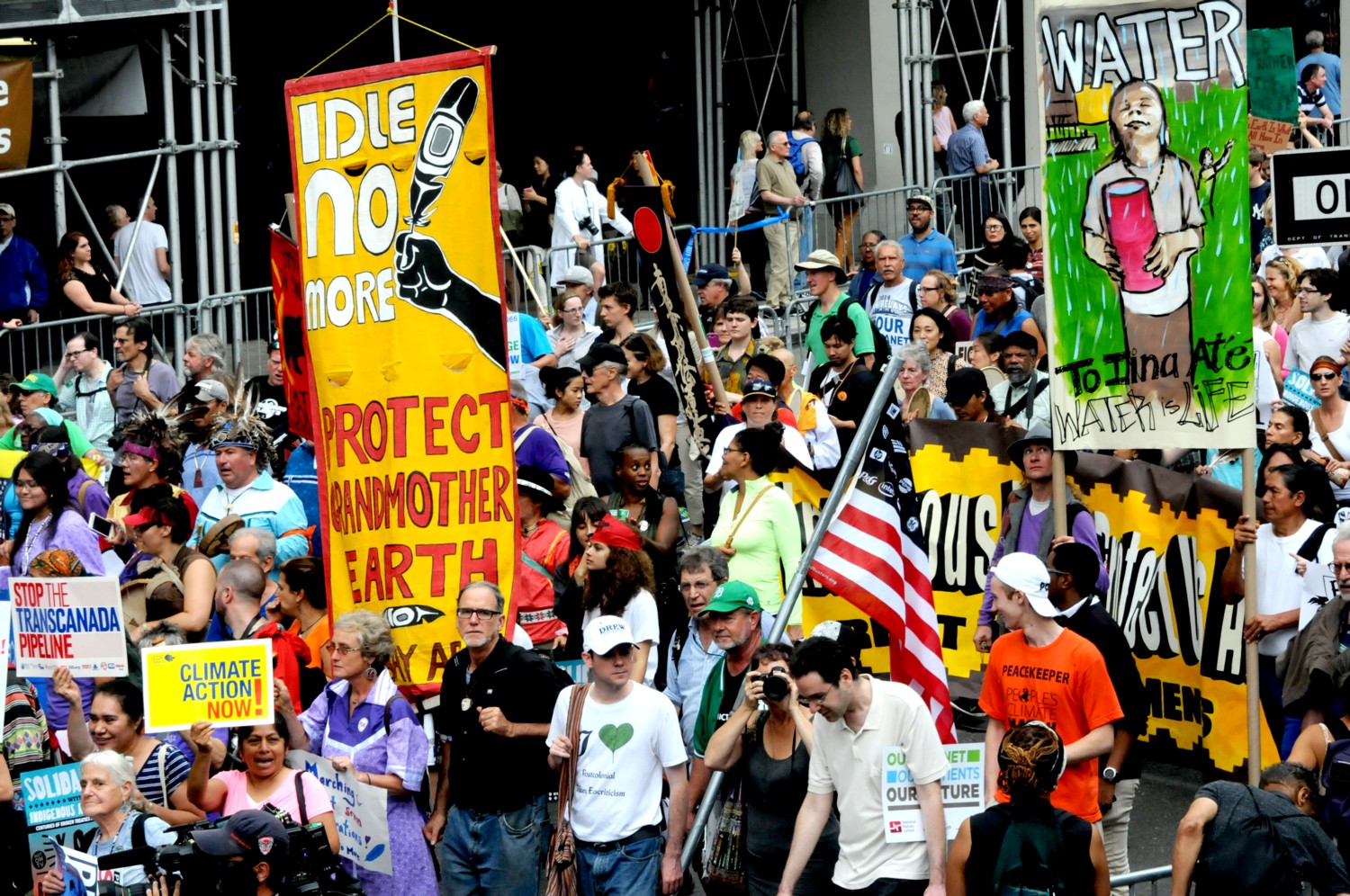
Even as the Clean Energy Revolution March gets underway on Sunday, July 24 just ahead of the Democratic National Convention, the White House released a fact sheet describing the Clean Energy Savings for All Americans Initiative. The March is to win support – from Democrats (since Republicans unabashedly deny Climate Change and hold in their platform the elevation of coal and fossil fuels while impeding clean, renewable energy – to ban fracking and to achieve 100% clean, renewable energy by 2030, without the fiction of natural gas or even worse, nuclear, as a “bridge” or transition fuel. The demands of the march are simple and bold:
Ban fracking now
Keep fossil fuels in the ground
Stop dirty energy
Environmental justice for all
A quick and justly transition to 100 percent renewable energy
Meanwhile, here is the Fact Sheet presented by the White House on “clean Energy Savings for All Americans” Initiative.
(ClickHEREto view a video on Access to Solar Panels featuring President Obama)
President Obama is committed to ensuring that every American family can choose to go solar and to cut their energy bills – and that every American community has the tools they need to tackle local air pollution and global climate change.
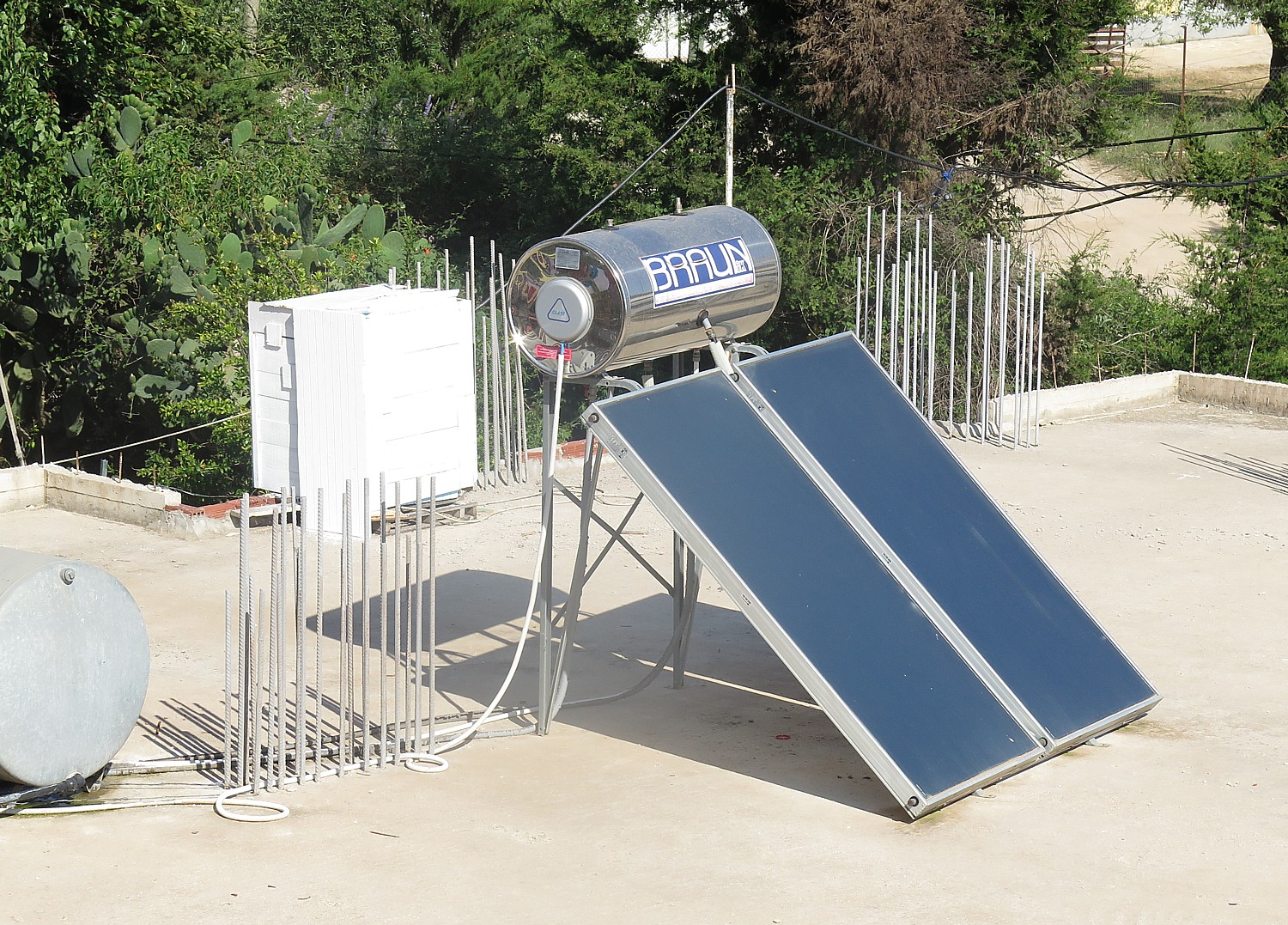
Since President Obama took office, solar electricity generation has increased 30 fold and solar jobs are growing 12 times faster than the rest of the economy. Last year, we announced a set of actions to increase access to solar and create a more inclusive workforce, but there is still more work to do. That is why, today, the Obama Administration is announcing a new cross government partnership – the Clean Energy Savings For All Initiative – between the Departments of Energy (DOE), Housing and Urban Development (HUD), Agriculture (USDA), Health and Human Services (HHS), Veteran’s Affairs (VA), and the Environmental Protection Agency (EPA) to increase access to solar energy and promote energy efficiency across the United States and, in particular in low- and moderate- income communities.
Through the Clean Energy Savings for All Initiative, the Administration will work to ensure that every household has options to choose to go solar and put in place additional measures to promote energy efficiency. To continue along this track, the Administration, in collaboration with state agencies, is announcing a new catalytic goal to bring 1 gigawatt (GW) of solar to low- and moderate- income families by 2020. This goal is a 10 fold increase and an expansion of the initial target President Obama set in his Climate Action Plan to install 100 MW of renewable energy on federally-assisted affordable housing by 2020. The Clean Energy Savings for All Initiative will help achieve the goal by promoting innovative financing mechanisms, bolstering technical assistance for states and communities, driving innovation, scaling up workforce training to make sure low- and moderate-income Americans can take advantage of the jobs that come with a transition to clean energy, convening stakeholders, and working with the private and philanthropic sectors. The key components of the initiative that the Administration is announcing today are:
HUD and Department of Veterans Affairs (VA) are releasing new guidance to unlock residential Property-Assessed Clean Energy (PACE) financing by outlining how properties with PACE assessments can be purchased and refinanced with Federal Housing Administration (FHA) mortgage insurance and by welcoming the use of PACE financing for Veterans Affairs (VA)-insured mortgages. In addition, DOE is releasing a draft of their updated Best Practices Guidelines for Residential PACE Financing for public comment. PACE is a tool that allows American homeowners, including low- and moderate- income households and veterans, to finance solar and energy efficiency improvements at no upfront cost and to pay back the cost over time through their property tax bill;
DOE is developing a Community Solar Challenge that will award teams in dozens of communities up to $100,000, in cash prizes and technical assistance, to develop innovative models to increase solar deployment and cut communities’ energy bills, in particular in low income communities;
HHS and DOE are making it easier to use hundreds of millions of dollars for energy efficiency improvements by providing technical assistance to Low Income Housing Energy Assistance Program (LIHEAP) grantees on their ability to access 15 – 25 percent of their annual LIHEAP funding for low cost energy efficiency improvements, including renewable energy;
DOE is making sure low- and moderate-income Americans can take advantage of the jobs that come with a transition to clean energy by launching the Solar Training Network, which will help create a more inclusive workforce by connecting solar workforce trainers, solar employers, and individuals interested in working in the solar industry;
EPA, DOE, and HUD are bringing people together to share best practices on how to finance and overcome barriers to creating healthier communities; and
More than 120 housing authorities, rural electric co-ops, power companies, and organizations in more than 36 states across the country are committing to investing $287 million and putting in place more than 280 megawatts (MW) of solar energy projects, including projects to help low- and moderate- income communities save on their energy bills and further the deployment of community solar.
The announcements today will result in lower energy bills, more empowered consumers, and cleaner communities.
EXECUTIVE ACTIONS TO SCALE UP SOLAR AND REDUCE ENERGYBILLS
To continue supporting all American communities in deploying renewable energy while creating jobs and reducing carbon pollution, the Administration is announcing the following actions:
Supporting the Scale Up of Property-Assessed Clean Energy (PACE) Financing: Since 2009, the Obama Administration has been working to provide homeowners the opportunity to finance solar and energy efficiency improvements at no upfront cost through a mechanism called PACE, including through the Middle Class Taskforce and by releasing aPolicy Framework for PACE Financing Programs. Today, the Obama Administration is taking a number of new actions to allow American homeowners, including low- and moderate- income households and veterans to use PACE financing. This innovative financing mechanism allows homeowners to benefit from energy improvements immediately and pay back the cost over time through their property taxes. If the property is sold, including through foreclosure, the remaining PACE assessment will stay with the more energy efficient property and the next owner will become responsible for the remaining PACE assessment. The PACE initiatives announced today will unlock alternative sources of capital for low- and moderate- income Americans and veterans to scale up solar, promote energy and water efficiency retrofits, and create more resilient homes, leading to reduced energy bills, more empowered consumers, and cleaner communities.
Ø Issuing Guidance on how to Use FHA Mortgage Insurance with PACE Financing: For more than 80 years, the Federal Housing Administration (FHA) has provided low- and moderate- income households and underserved communities access to safe and affordable housing through FHA mortgage insurance. Each day, more than 3,000 people close on a home for which the mortgage is insured by FHA. Today, FHA is releasing guidance outlining how properties with PACE assessments can be purchased and refinanced with an FHA-insured mortgage. This action is intended to support renewable energy and energy efficiency investments in single family housing, support retrofits that boost resilience to climate risks, and remove existing barriers to using PACE financing. The key requirements outlined in FHA’s guidance are: the PACE assessment does not take first lien position ahead of the mortgage and the assessment transfers from one property owner to the next, including through a foreclosure sale. The guidance also requires appraisers to analyze and report on the impact of PACE-related improvements to the value of the property.
Ø Unlocking PACE Financing for Veterans: Today, in support of the Administration’s longstanding commitment to create a clean-energy economy and help Americans take advantage of clean energy technologies, the Department of Veterans Affairs (VA) is issuing policy guidance on PACE-financed homes. Today’s guidance will clarify the circumstances under which Veterans are able to take advantage of PACE programs in conjunction with their VA Home Loan Guaranty benefit, providing a new opportunity for veterans to participate in the clean energy economy and save on their energy bills.
Ø Providing Best Practices for New and Existing Residential PACE Programs throughout the Country:DOE is releasing a draft of their updated Best Practices Guidelines for Residential PACE Financing for public comment from stakeholders, including consumer advocates, public policy leaders, and industry. This public comment period is critical to ensuring the highest levels of consumer and lender protections. Across the nation, fifteen states have already adopted residential PACE-enabling legislation. Overall, nearly 100,000 households have utilized PACE programs to finance over $2 billion in energy saving improvements to their homes. The updated guidelines reflect the evolving structure of the PACE market and incorporate lessons learned from various PACE programs that have been successfully implemented since the original guidelines were issued. They provide best practices for residential PACE programs, including protections to both consumers who voluntarily opt into PACE programs, and to lenders who hold mortgages on properties with PACE assessments. The guidelines can also be used by PACE program administrators, contractors and consumers to plan, develop and implement programs and improvements that effectively deliver home energy and related upgrades. DOE’s updated Best Practice Guidelines for Residential PACE Financing rely upon important progress that the Department has made in a critical partnership with industry, including a formal partnership with the Appraisal Foundation to develop guidance on valuation of energy efficiency in residential and commercial buildings that was launched in 2011. DOE is also partnering with the Appraisal Institute to integrate energy efficiency into appraisals and real estate transactions and deliver education and training to appraisers through the Better Buildings Home Energy Information Accelerator, where they have enlisted the support of the Real Estate Standards Organization, the Council of MLS, Homes.com, and National Association of Realtors.
Ø Providing Technical Assistance to Make it Easier for States and Communities to Stand Up Smart PACE Programs:DOE will provide technical assistance to support the design and implementation of effective PACE programs, including conducting a series of webinars and online workshops to facilitate peer exchange and provide access to PACE experts; conducting research on the lessons learned from state and local residential PACE programs , including analysis of the impact of PACE on community adoption rates of energy efficiency improvements and per household energy consumption, and various program design strategies, and effectiveness of PACE relative to other financing mechanisms. DOE is also working with State Energy Offices, local government representatives, residential PACE industry representatives, and subject matter experts to focus on residential PACE program design (including consumer protection options) and the development and dissemination of detailed program best practices.
Developing a Community Solar Challenge: To help meet the Administration’s 1 GW goal, DOE is announcing the development of aCommunity Solar Challenge that will award teams in dozens of communities up to $100,000 to develop innovative models to increase solar deployment and cut communities’ energy bills, in particular in low-income communities. Today, the DOE SunShot Initiative is releasing a request for information to gather feedback and information on the structure of challenge. Shared solar systems of 2 megawatts (MW) or less with 40 percent low- and moderate- income subscribers, solar systems that benefit low-income families, and solar for community assets, e.g., hospitals, schools, food banks, and health clinics will be eligible. This challenge will reduce market barriers to solar deployment by spurring the deployment of dozens of projects across the nation, with an emphasis on new and emerging solar markets.
Making it Easier for Low Income Households to Access Hundreds of Millions of Dollars in Funding for Renewable Energy Investments:The Low Income Home Energy Assistance Program (LIHEAP) provides, on average more than $3 billion a year to communities across the country and includes a provision that allows LIHEAP grantees to access 15 – 25 percent of their annual funding for low cost weatherization and energy efficiency improvements. Today, we are announcing technical assistance to LIHEAP grantees to increase their ability to use this funding to support the deployment of renewable energy.
Tracking the Deployment of Solar on Low- and Moderate Income Households: DOE, in collaboration with HUD and GTM Research, will work with the national labs to track progress on the deployment of solar energy for low- and moderate- income households, in particular to reach the Administration’s 1 GW goal.
Providing Technical Assistance to Make it Easier for More Americans to Participate in the Clean Energy Economy:Today, the Administration is announcing three actions to ensure all communities have the information they need to participate in the clean energy economy.
Ø Creating a Resource Hub to Promote Energy Access: DOE is creating a cross-agency digital hub on the Solar Powering America website so that communities, businesses, organizations and state and local governments can learn about federal resources to help low- and moderate-income Americans go solar.
Ø Providing Resources to Bring Energy Efficiency and Renewable Energy to Low-Income Communities: In the coming months, the EPA will provide additional informational resources to help state and local energy, environmental, housing, and social services agencies, non-profits, and utilities understand successful models they can use to bring energy efficiency and renewable energy to low-income communities. Current resources available on the EPA’s website include five case studies and profiles, recordings from three webinars, and a guide to EPA programs.
Ø Providing Technical Assistance to Remote Communities: DOE’s Office of Indian Energy (IE) is announcing $7 million in funding to establish an inter-tribal technical assistance energy providers’ network. This program will provide Alaska Native communities assistance to develop energy experts that provide technical energy assistance and informational resources to their member Alaska Native villages.
Bringing People Together to Share Best Practices on how to Finance and Overcome Barriers to Creating Healthier Communities:Today, the Obama Administration is announcing we will host a series of convenings across the country to expand access to financing for community solar and develop new partnerships to create healthier communities:
Ø Convening Banks and Regulators to Expand Access to Financing for Community Solar Projects for Low- and Moderate- Income Households:DOE is announcing its plans to convene local and regional banks and their regulators for a summit to identify strategies to improve and expand community solar project financing, with an emphasis on serving low- and moderate-income households. The summit will provide the most recent information on the potential market opportunities for community solar, underwriting best practices, and updates on regulatory guidance.
Ø Convening a Series of Clean Energy Savings for All Summits Across the Country: Working with national and regional partners, the White House, U.S. Department of Energy, U.S. Environmental Protection Agency, and U.S. Department of Housing and Urban Development, will convene a series of Clean Energy Savings for All Summits in communities across the United States, beginning with a Summit on August 9, 2016 in Spartanburg, South Carolina. These events will provide local and state officials, advocates, community organizations, and interested members of the public an opportunity to develop new partnerships and learn about ways we can further reduce air pollution, deploy clean energy and energy efficiency, and build an inclusive clean energy economy for all Americans.
Ø Hosting a National Funding Resources and Training Summit for Vulnerable Communities: On October 25-26, 2016, the EPA will host The National Funding Resources and Training Summit for Vulnerable Communities in Washington, DC to enhance collaboration around environmental, health and economic concerns and ensure vulnerable populations have access to information, services, and data for increased resilience, engagement, and sustainability. The summit themes will include: just transition workforce development, financial resources and entrepreneurship development, and health and environmental training and outreach.
Building an Inclusive Solar Energy Workforce: Since the President took office, we have trained more than 50,000 workers to enter the solar industry, bringing us closer reaching our goal of training 75,000 workers to enter the solar industry by 2020. To continue enhancing employment opportunities for all Americans, including low-income and minority communities, and make sure workers can take advantage of the jobs that come with a transition to clean energy:
Ø DOE is Launching the Solar Training Network: The Solar Training Networkwill support the development of a well-trained and inclusive workforce by connecting trainers, solar employers, and individuals interested in working in the solar industry. The Solar Foundation will administer the program and will create a centralized clearinghouse for solar workforce tools and resources, including the establishment of a Solar Jobs Strategy Commission to foster an exchange of resources and knowledge between training providers and the solar industry. The Solar Foundation will also conduct research and analysis to enhance the understanding of the solar industry’s workforce and training supply, demand, costs, and needs.
Ø DOE is Announcing a Community and Workforce Investment Program in Baltimore, Maryland:Today, DOE’s Job Strategy Council launched a community and workforce investment program to both create new employment opportunities and train low income residents in West Baltimore for jobs in the solar industry. DOE’s Initiative will explore options to expand access to solar for renters and local individuals in the Baltimore area, investigate the possibility of installing solar panels on public housing units, and in collaboration with the Morgan Community Mile Solar Installation Project, a partnership with Morgan State University, Baltimore’s Sustainability Office, GRID Alternatives, Civic Works and the local communities, weatherize and install solar panels on 33 low income homes in the Morgan Community Mile neighborhood of Baltimore. Today, DOE, the City of Baltimore and the Maryland Clean Energy Center signed a Memorandum of Understanding intended to accelerate the growth of and access to solar and renewable energy jobs and to prepare a roadmap for rapid demonstration and deployment.
STATE AND PRIVATE SECTOR COMMITMENTS TO INCREASE SOLAR ENERGYAND CUT ENERGY BILLS IN COMMUNITIES ACROSS AMERICA
To help us achieve our new goal to bring 1 GW of solar energy to low- and moderate- income families by 2020, today, the Administration is announcing more than 120 new commitments from the private, state, local, and philanthropic sectors in 36 states to support the deployment of solar energy in low-and moderate income communities and promote community solar and energy efficiency. Today’s new commitments represent $287 million in investment, and nearly 280 MW of community solar and low-and moderate income solar deployment. They bring the total amount of commitments secured to more than $800 million in investment and more than 491 MW of solar power. These announcements include:
Growing The Reach And Impact Of The National Community Solar Partnership by 6 Fold:Last July, the Administration launched the National Community Solar Partnership—a collaborative effort between the DOE, HUD, USDA, EPA, representatives from solar companies, NGOs, and state and community leaders —which works to unlock access to solar for the nearly 50 percent of households and businesses that are renters or do not have adequate roof space to install solar systems, in particular, for low- and moderate- income communities. Since we launched the partnership last year, more than 110 companies, organizations, and universities that represent 25 states have joined the effort to increase access to community solar, growing the number of members by six fold to 135, including the following 67 new partners joining today:
All Energy Solar – Minnesota
Altus Power America – Oklahoma
Banner Solar – Idaho
Binghamton Regional Sustainability Coalition – New York
Bonneville Environmental Foundation – Oregon
Boston Community Capital – Massachusetts
Building Science Innovators, LLC – Louisiana
Cadmus – Colorado
Center for Resource Solutions – California
Central New York Regional Planning and Development Board – New York
Clean Energy Economy Minnesota – Minnesota
Coalition for Community Solar Access – District of Columbia
CohnReznick, LLP – Maryland
Community Energy, Inc. – Pennsylvania
Community Green Energy – Wisconsin
Community Housing Works – California
Community Power Network – District of Columbia
Community Purchasing Alliance – District of Columbia
Co-op Power – Massachusetts
Cooperative Community Energy – California
Cooperative Energy Futures – Minnesota
County of Erie, NY – New York
Encore Renewable Energy – Vermont
Energy Outreach Colorado – Colorado
Enterprise Community Partners – District of Columbia
Environmental Law and Policy Center – Illinois
Ethical Electric – District of Columbia
Eutectics, LLC – Minnesota
Extensible Energy, LLC – California
Great Plains Institute – Minnesota
Green Long Island, Inc. – New York
GreenMark Solar – Minnesota
Hannah Solar – Georgia
kWh Analytics – California
Los Angeles County Metropolitan Transportation Authority – California
Lotus Engineering and Sustainability – Colorado
Metropolitan Washington Council of Governments – District of Columbia
Michigan Energy Options – Michigan
Microgrid Institute – Minnesota
Minnesota Renewable Energy Society – Minnesota
Navigant Consulting – District of Columbia
Nexamp – Massachusetts
Northern Virginia Regional Commission – Virginia
Nuance Energy Group Inc. – California
ProjectEconomics – New York
Renewable Energy Districts – New York
Renewable Energy Partners – Delaware
Renewable Energy Services – Hawaii
Savannah River National Laboratory – South Carolina
Seminole Financial Services – Florida
Solar Holler – West Virginia
Solar Land Solutions LLC – North Carolina
Solarize NoVA – Virginia
Sun Valley Institute for Resilience – Idaho
SunPower Corporation – California
Sunswarm Community Solar – California
Syncarpha Capital – New York
United States Solar Corporation – Connecticut
Upepo Group – Maryland
Utah Clean Energy – Utah
Vermont Community Solar, LLC – Vermont
Vivint Solar – Utah
West Monroe Partners – Illinois
Winn Companies – Massachusetts
Yeloha – Massachusetts
YSG Solar – New York
Zolargo Energy – California
25 Members of the Administration’s National Community Solar Partnership are announcing new commitments to deploy nearly 145 MW of community solar, including projects to scale up solar for low- and moderate- income households. These commitments represent over $187 million in investment.
Arcadia Power commits to deploying 5 megawatts of community solar by the end of 2016. This commitment builds on the 30 kilowatts in community solar projects the company has built.
BARC Electric Cooperative announces that a 550 kilowatt community solar project – the first in the Commonwealth of Virginia –will be completed in early summer 2016.
Binghamton Regional Sustainability Coalition and its partners announce at least six new community and shared solar projects over the next two years that will serve more than 100 low- and moderate-income customers in southern New York.
Black Rock Solar commits to developing 1 MW of solar for low-income communities in Nevada in 2016. This commitment builds on the 6.5 megawatts of solar the company has already built for non-profits, schools, rural areas, Native American tribes, and low-income housing in Nevada.
Capitol Assets Solar Development commits to deploying 250 kilowatts of low-income solar in Houston, TX by 2020.
Clean Energy Collective commits to develop 50 megawatts of projects in the next two years in New York, representing a $100 million investment in the state, and reaching up to 15,000 residential customers. This builds on CEC’s 160 megawatts of installed community solar in 12 states with 26 utility partners.
Community Green Energy commits to developing 10 megawatts of community solar in the state of New York over the course of the next 18 months, with several projects to serve the New York City region.
Community Housing Works has committed to install 2.8 megawatts of solar energy that offsets both common area and tenant loads of electricity in low-income communities. This endeavor impacts a total of 14 properties and approximately 1500 units. This project provides the tenants with a real economic benefit of about $150,000 per year.
Community Owned Shared Renewables Working Group announces a goal to facilitate community-owned development of at least four new solar projects in New York State.
Co-op Power commits to developing 3 MWs of community solar over the next two years in Massachusetts and New York. In Massachusetts, the organization will expand its offerings in urban and rural off-site solar. In New York City, Co-op Power is announcing a new partnership with Solar One to bring on-site community solar to 400 units of cooperative and low-income housing in 2016. This builds on current successes in developing a 600 kilowatts low-income accessible, community-owned solar system in western Massachusetts.
Extensible Energy and Smart Electric Power Alliance commit to working with at least eight utilities in the western United States to help them with the design of over 4 MW of community solar in the next year.
Green Long Island in partnership with Empower Solar announces their commitment to deploy 5 megawatts of community solar in Long Island, New York over the next three years.
GRID Alternativeswith support from The JPB Foundation, commits to provide no-cost technical assistance to help multifamily affordable housing managers, owners and developers add solar to their buildings, which will support HUD’s Renew 300 initiative under the President’s Climate Action plan, which targets the deployment of 300 MW of renewables for low-and-moderate income housing by 2020. Since 2006, GRID Alternatives has had the support of AmeriCorps VISTA. Due to capacity building support of the AmeriCorps VISTA members, GRID Alternatives went from 37 successful installations for low-income families per year in California in 2006 to over 1250 statewide in 2012.
Groundswell commits to develop five community solar projects in the next 12 months to demonstrate a scalable and replicable model for delivering affordable clean power to low- and moderate- income households. Groundswell will partner with faith based organizations, schools, and other local anchor institutions to complete five megawatts of community solar projects that will serve 1000 low- and moderate- income families in the Mid-Atlantic and Southeast. Developed in collaboration with Sustainable Capital Advisors, this expansion of our commitment builds on Groundswell’s successful pre-development efforts towards our first equitable community solar project, which will be constructed in Baltimore.
The Los Angeles County Metropolitan Transportation Authority (Metro) commits to develop an innovative community solar program for all of its capital projects. This aggressive new program will bring solar energy to communities throughout the LA region, and will represent a significant investment in communities and renewable energy over the near and long term. Metro is the first public transportation agency to pursue a community solar program, which builds on its success of deploying approximately 7 megawatts of renewable energy by the end of fiscal year 2017, with a goal of 66 percent renewable energy use by 2020.
Michigan Energy Options announces a new commitment to deploy 600 kilowatts of community solar in Michigan over the next year.
Nexampannounces 17 new community solar projects, to be completed by the end of 2016. Combined, these 35 megawatts of projects will serve nearly 2,000 Massachusetts households and non-profits, and represent an investment of $87 million in private capital. Nexamp also commits to an additional 15 megawatts of community solar projects for 2017.
RE-volvannounces the newest cohort of Solar Ambassadors. Over the next year, RE-volv will train 40 college students at 7 universities to spearhead solar crowdfunding campaigns in their communities. This cohort of Solar Ambassadors include students at Coastal Carolina University, Swarthmore College, University of Connecticut, University of Dayton, University of New England, University of Wisconsin, Madison, and University of Wisconsin, Milwaukee.
Rural Renewable Energy Alliance (RREAL) announces a commitment to deploy 500 kilowatts of low-income solar in the Upper Midwest region of the United States over the next 18 months and 100MW for solar for communities of all incomes by 2020.
Solar Land Solutions LLC announces its commitment to acquire 15 sites for potential community solar projects in the state of New York. This builds on success in helping clients acquire the rights to develop over 40 MW of community solar projects through the US.
Solarize NoVA announces its commitment to launch four new solarize campaigns in northern Virginia over the next year—in Alexandria, Vienna, Falls Church, and Loudon County. The group has already enabled 569 kilowatts of solar for 77 households, representing $2 million in investment.
The University of Maine announces plans to launch a new, interactive public database of the more than 5,000 community solar projects operating across the country. With support from the Senator George J. Mitchell Center for Sustainability Solutions, this web-based database will allow anyone to search and learn from existing community solar projects around the country.
Urban Ingenuityannounces the completion of two unique community-focused solar projects financed with PACE. A critical member of the U.S. Department of Energy-funded CivicPACE program, Urban Ingenuity has closed on nearly 200 kW of solar across a church’s sanctuary, and food bank in Northeast Washington, DC as well as 30 kW of solar on a nearby public charter school. With the November 2015 solar closing on a mixed-finance affordable housing redevelopment, these new projects bring Urban Ingenuity to three unique solar plus PACE financings on non-profit properties.
YSG Solar announces its commitment to deploy 15 megawatts of community solar in the New York City region over the next 10 months.
19 New Affordable Housing Providers and Low Income Solar Developers are Committing to Deploy Solar, Putting Us On Track to Exceed the Administration’sRenew300Goal To Install 300 Megawatts Of Renewable Energy in Federally Subsidized Housing: In the past two years, in response to the Administration’s call to action, 70 affordable housing providers and nonprofits have committed to install solar, including 19 new commitments being announced today to install 124 MW of solar energy. Today’s commitments, when combined with previous commitments, put us on track to install 344 MW of solar by 2020, exceeding our updated 2020 goal, and far surpassing the President’s target in the Climate Action Plan to install 100 megawatts (MW) of solar and other types of renewable energy in Federally subsidized housing by 2020.
Affirmed Housing Group, California
Codman Square Neighborhood Development Corporation, Massachusetts
Essex Plaza Management Company, New Jersey
Harmony Neighborhood Development, Louisiana
Housing Authority of the County of Los Angeles, California
National Community Renaissance of California, California
New Bedford Housing Authority, Massachusetts
The New York City Housing Authority-25 Megawatt Commitment, New York
Saint Paul Housing Authority, Minnesota
Corporation for Better Housing, California
Coachella Valley Housing Corporation, California
Housing Authority of the County of Santa Barbara, California
Levy Affiliated, California
Many Mansions, California
MidPen Housing, California
Palm Communities, California
People’s Self Help Housing, California
San Diego Youth Services, California
The Chicago Housing Authority, Illinois
New Partners Join DOE’s Clean Energy for Low Income Communities Accelerator. The Clean Energy for Low Income Communities Accelerator aims to lower energy bills in low income communities through expanded installation of energy efficiency and distributed renewables. Low income households spend an average of 15 to 20 percent of their income on energy bills, whereas energy burdens above 6 percent are typically considered unaffordable. This Acceleratorencourages the development of partnerships and replicable models and will work to identify funding options that a state-level agency, local government, or utility program could use to provide energy efficiency and renewable energy access to communities that need them most. Today, 13 new partners are announcing their participation, building on the 24 founding partners:
BlocPower
District of Columbia
Holland, MI
Orlando, FL;
Hawkeye Area Community Action Program (HACAP), Iowa
Couleecap Community Action Agency, Wisconsin
Community Action Program of Evansville and Vanderburgh County
EEtility
New York State Energy Research and Development Authority (NYSERDA)
State of Missouri
Opportunity Council
State of Washington
Tennessee Valley Authority (TVA)
More than 90 member-owned, not-for-profit rural electric cooperativesin 16 states across the country are committing to install community solar projects by the end of 2017. This builds on the nearly 60 co-ops in 25 states that have already brought online community solar projects in the last year. In fact, today, Pedernales Electric Cooperative is announcing a commitment to deploy up to 15 megawatts of community solar throughout its service territory, with construction beginning in late 2016.
Banc of California is announcing a $100 million investment in a new tax equity fund financing residential solar systems primarily to low- and moderate- income consumers and communities in California with a goal of expanding the investment to over $1 billion within 5 years. Historically, low- and moderate- income residents have not been able to obtain financing for solar systems thus this new fund will expand solar to these underserved communities lowering household electricity costs and making housing more affordable.
Google is expanding its solar mapping technology, Project Sunroof, to Washington, D.C. today, making it easier for anyone to understand and access solar power on their rooftop. Sunlight striking the earth’s surface in just one hour delivers enough energy to power the world economy for an entire year, yet only 1 percent of the U.S. energy comes from solar. Project Sunroof, an online solar assessment tool, leverages the 3D rooftop geometry data behind Google Earth to calculate the solar potential and financial benefits of solar power for 43 million American buildings across 42 states. This technology is intended to increase access to solar for all Americans. Sunroof is expanding to Washington, D.C. because Google sees great potential for residential rooftop solar: tens of thousands of D.C. rooftops have the potential to see a positive payback with solar and if only 20 percent of D.C. rooftops were to collectively switch to solar, this could unlock a total of $56 million in electricity savings over 20 years. In addition, Google’s Project Sunroof is starting to work with organizations such as HUD to explore applications of Sunroof technology for low-income and multi-family housing occupants, who could benefit from the cost-saving and efficiency of solar energy for residential use.
In a statement on Friday, Nov. 6, President Barack Obama declared that the State Department, under Secretary John Kerry, made the determination that “Keystone would not serve the national interests of the United States… and I agree.”
Flanked by Vice President Joe Biden and Secretary of State John Kerry, President Obama said the Keystone XL pipeline would contradict America’s efforts – and its global leadership – to transition to clean, renewable energy in order to mitigate the worst impacts of climate change before communities are rendered “inhospitable” and even “uninhabitable.”
“Today, the United States of America is leading on climate change with our investments in clean energy and energy efficiency. America is leading on climate change with new rules on power plants that will protect our air so that our kids can breathe. America is leading on climate change by working with other big emitters like China to encourage and announce new commitments to reduce harmful greenhouse gas emissions. In part because of that American leadership, more than 150 nations representing nearly 90 percent of global emissions have put forward plans to cut pollution.
“America is now a global leader when it comes to taking serious action to fight climate change. And frankly, approving this project would have undercut that global leadership. And that’s the biggest risk we face — not acting.
“Today, we will continue to lead by example [to prevent] a large part of this earth from not only becoming inhospitable but inhabitable in our lifetimes.
“As long as I’m President of the United States, America is going to hold ourselves to the same high standards to which we hold the rest of the world. And three weeks from now, I look forward to joining my fellow world leaders in Paris, where we’ve got to come together around an ambitious framework to protect the one planet that we’ve got while we still can.
“If we want to prevent the worst effects of climate change before it’s too late, the time to act is now. Not later. Not someday. Right here, right now.:
The President took to task how Keystone was being used as a “political cudgel.”
“For years,” he said, “the Keystone pipeline occupied an over-inflated role in political discourse – a symbol, a campaign cudgel rather than a serious policy matter.
“This pipeline was neither a silver bullet for the economy as promised by some, nor an express lane to disaster as implied by others.” Ultimately, he said, the State Department rejected Keystone XL because, “it did not make a meaningful long-term contribution to our economy.”
But, he said, if Congress were serious about creating jobs, “this was not the way to do it. What we should be doing is passing bipartisan infrastructure bill that would create more than 30 times the jobs each year than pipeline, and create long-term benefits.”
Indeed, in the absence of the Keystone XL pipeline, the United States added 271,000 jobs in October, the fastest pace so far this year as the unemployment rate declined to its lowest level since April 2008.
“Our businesses have now added 13.5 million jobs over 68 straight months, extending the longest streak on record,” reported Jason Furman, Chairman of the Council of Economic Advisers. “The unemployment rate ticked down to 5.0 percent in October—its lowest level since April 2008—with stable labor force participation. Wages continued to rise; average hourly earnings for all private employees have now risen 2.5 percent over the past year, the fastest pace achieved since 2009…Overall, our economy has created 8.0 million jobs over the past thirty-six months, the fastest pace since 2000.”
But if Congress were serious about jobs creation, President Obama continued, “This Congress should pass serious infrastructure plan and keep those jobs coming. That will make a difference. The pipeline would not make serious impact on those numbers and the American people’s prospects for the future.”
Moreover, he said, Keystone would not have lowered gas prices for the American consumer. On the other hand, “gas prices have already been falling steadily: 77c over a year ago – a $1 over 2 years, $1.27 over 3 years ago. Today in 41 states, you can find at least one gas station selling for less than $2/gallon.”
Shipping the oil from Canada’s tar sands, the dirtiest form, would not contribute to America’s energy security, either, Obama said. “What has increased energy security is decreasing our reliance on dirty fossil fuels imported from other parts of the world.”
He noted that three years ago, he set a goal of reducing America’s dependence on importing foreign oil, and that goal has been met five years early. “We now produce more oil than we buy from other countries.”
“The United States will continue to rely on oil and gas as we transition, but we must transition to a clean energy economy.”
That transition is happening “more quickly than many anticipated.
“Since I took office, we have doubled the distance we can go on a gallon of gas, tripled power from wind, multiplied the power we get from the sun 20 times over. Our biggest and most successful businesses are going all-in on clean energy. Thanks to the investments made, power from wind and sun is cheaper than conventional.
“The old rules said we couldn’t promote economic growth and protect our environment at the same time. The old rules said we couldn’t transition to clean energy without squeezing businesses and consumers. But this is America, and we have come up with new ways and new technologies to break down the old rules, so that today, homegrown American energy is booming, energy prices are falling, and over the past decade, even as our economy has continued to grow, America has cut our total carbon pollution more than any other country on Earth.”
The President said, “Today, we’re continuing to lead by example. Because ultimately, if we’re going to prevent large parts of this Earth from becoming not only inhospitable but uninhabitable in our lifetimes, we’re going to have to keep some fossil fuels in the ground rather than burn them and release more dangerous pollution into the sky.
“I’m optimistic about what we can accomplish together. I’m optimistic because our own country proves, every day — one step at a time — that not only do we have the power to combat this threat, we can do it while creating new jobs, while growing our economy, while saving money, while helping consumers, and most of all, leaving our kids a cleaner, safer planet at the same time.
“That’s what our own ingenuity and action can do. That’s what we can accomplish. And America is prepared to show the rest of the world the way forward.”