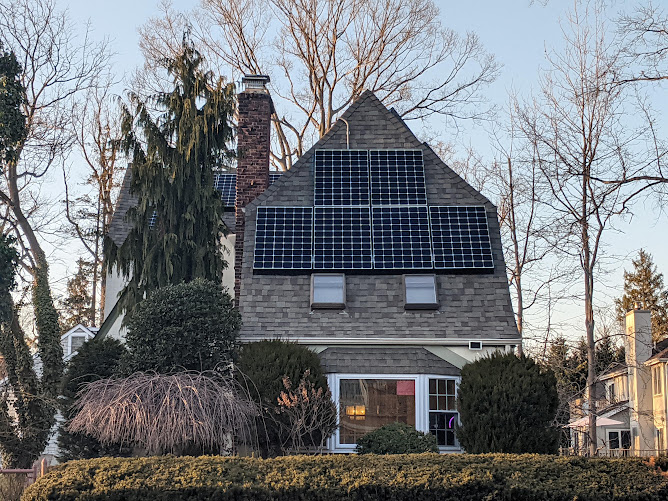
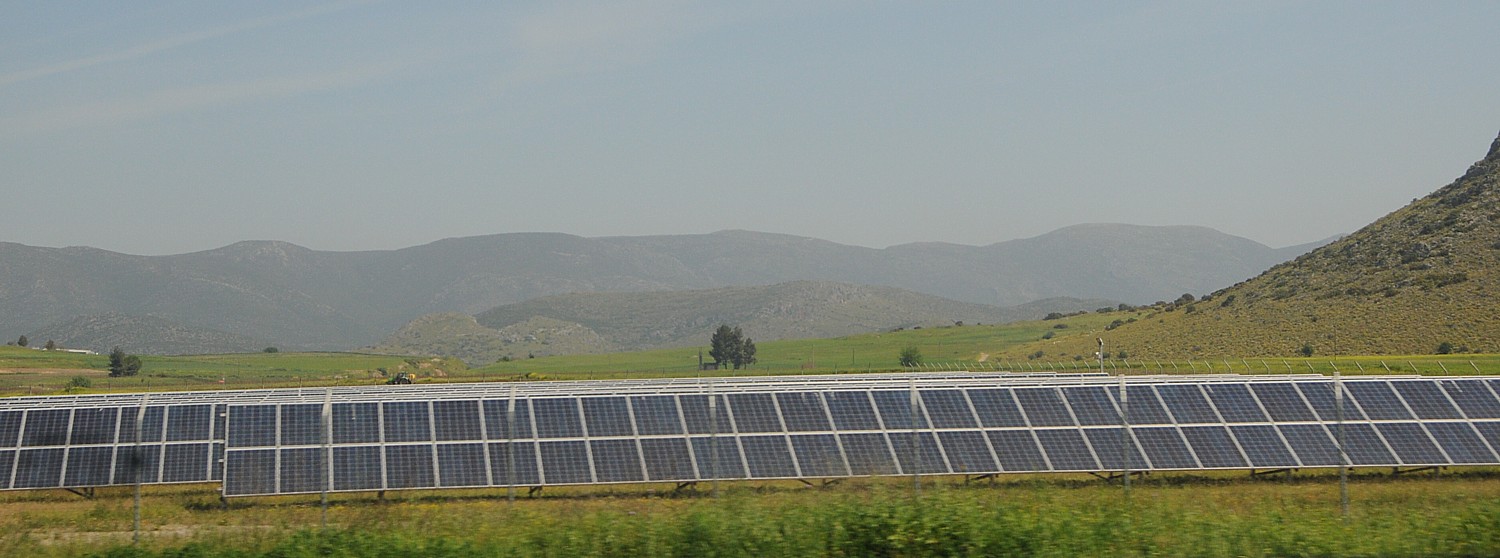
As the United States has reached a point where data centers powering Artificial Intelligence consumer more electricity than is currently produced by the nation and the trump administration continues to block and overturn clean, renewable energy projects, Governor Kathy Hochul announced eight gigawatts (GW) of distributed solar has been installed across New York State, which puts the state ahead of schedule for reaching 10 GW by 2030. This substantial growth in the distributed solar market has generated approximately $12.2 billion in private investment across New York and provided more than 16,000 jobs statewide and is enough energy to power more than 1.3 million homes and businesses across the state – including those in disadvantaged communities.
“New York continues to set the bar high as we mark another milestone for solar within our communities across the state,” said Governor Kathy Hochul. “This is low-cost, reliable clean energy that is delivering cost savings for families and businesses while expanding the availability of renewable energy which benefits our environment, our economy and contributes to New York’s diverse energy resource mix.”
With eight GW of distributed solar in New York, which is underpinned by community solar and the state’s signature NY-Sun Program, there is enough energy to power more than 1.3 million homes and businesses across the state – including those in disadvantaged communities. Currently, there are more than 276,000 projects operating across the State, with another 2.7 GW in development. Solar can be built more quickly than other types of energy infrastructure. Community solar projects expand access to clean energy by allowing households and businesses to benefit from solar power without needing to put panels on their own property.
New York State Energy Research and Development Authority President and CEO Doreen M. Harris said, “New York is home to 35 percent of the nation’s community solar generation – securing its position as the top community solar market in the country. Solar energy is one of the most reliable contributors to our state’s grid and by producing energy during peak load periods, it lowers energy costs for all New Yorkers, not just those participating in community solar.”
Public Service Commission Chair and CEO Rory Christian said, “We are seeing the benefits of New York’s solar assets in real time. Solar is reducing the strain on our electric grid, while providing significant reliability benefits especially during periods of peak demand. The milestone we are celebrating today is a win for affordability and clean energy for all New Yorkers.”
Last summer, solar generation helped save New Yorkers an estimated $90 million by lowering demand on the electric grid during periods of peak electricity use. More recently, on June 3, 2026, New York set a new solar generation record when solar supplied approximately 29 percent of statewide electricity demand during the noon hour, demonstrating the growing role solar plays in providing low-cost, reliable clean energy across the state.
After achieving its original six-gigawatt distributed solar target a year ahead of schedule in 2024, New York installed a record-breaking 1.28 GW of solar in a single year in 2025. And through its Statewide Solar For All Program, New York continues to be a model for other states by allowing renters, low-income residents and others who cannot install their own panels to participate in and benefit from solar energy. Additionally, under Governor Hochul’s leadership, $200 million was secured in New York’s Fiscal Year 2027 Budget to help further expand New York’s solar success and continue to improve energy affordability for all New Yorkers.
State Senator Pete Harckham said, “Today’s announcement that eight gigawatts of distributed solar have been installed across New York is great news and further assurance that we are on the right path toward a clean energy future. I thank Governor Hochul for her support of important solar initiatives in the new State Budget, including $200 million for NY-Sun, a program which will make solar projects more affordable to all New Yorkers, and solar connectivity modernization to be overseen by the Public Service Commission, another cost-saving measure. There are brighter days ahead for renewable energy here in New York!”
Assemblymember Didi Barrett said,Distributed solar is a win-win-win — lowering New Yorkers energy costs, creating good-paying union jobs, and reducing emissions — and reaching 8 GWs ahead of schedule is a testament to New York’s continued commitment to expanding clean, affordable energy. I’m proud that this year’s budget included key provisions of my ASAP Act and $200 million for the NY-Sun program, which will cut red tape and unlock even more solar projects throughout the state.”
Assemblymember Deborah Glick said, “New York’s solar programs are a tremendous success, enabling more New Yorkers to shift to clean, sustainable energy while saving money on utility bills. Thank you to Governor Hochul for investing in solar energy, making it more accessible for all and allowing us to decrease our reliance on fossil fuels, reduce demand on the electric grid, all while providing jobs and improving the environment.”
New York Solar Energy Industries Association Executive Director Noah Ginsburg said, “Rooftop and community solar are lowering New Yorkers’ utility bills, powering the economy, and supporting communities all across the Empire State. Today’s 8-gigawatt announcement demonstrates New York’s continued commitment to deploying clean, affordable, local power. On behalf of New York’s solar and energy storage industry and our 18,688-strong local workforce, NYSEIA congratulates Governor Hochul, the Legislature and the many public and private sector leaders who had a hand in achieving this milestone.”
Coalition for Community Solar Access Northeast Regional Director Kate Daniel said, “Congratulations to Governor Hochul, NYSERDA and all New Yorkers for reaching this impressive milestone. 8 GWs of distributed solar are now working to lower energy costs for all New Yorkers and playing a critical role in keeping the grid reliable. It’s incredibly timely, as temperatures and electric demand climb higher every day. We look forward to continued progress in the nation’s top state for community solar, as we unlock the next several GWs of fuel-free, low-cost, local energy.”
New York’s NY-Sun Program provides incentives to make solar more affordable and accessible to homes, businesses and communities while lowering their energy costs and providing improved efficiency and reliability to New York’s electric grid. Governor Hochul allocated $200 million in New York’s Fiscal Year 2027 budget for NY-Sun which will help to expand New York’s solar success and continue to improve energy affordability for all New Yorkers.
The Statewide Solar For All Program, which was initiated by the Public Service Commission in 2024 and is part of NY-Sun, is designed to automatically lower bills for low-income New Yorkers, including those that live in a disadvantaged community and are enrolled in the Energy Affordability Program. Statewide Solar for All provides eligible low-income households with free electricity bill savings by sharing the discounts generated from community solar projects.
New York State’s Climate Agenda New York State’s climate agenda calls for an affordable and just transition to a clean energy economy that creates family-sustaining jobs, promotes economic growth through green investments, and directs a minimum of 40 percent of the benefits to disadvantaged communities. New York is advancing a suite of efforts to achieve an emissions-free economy, including in the energy, buildings, transportation, and waste sectors. The State is also working to disburse the historic $2 billion Sustainable Future Program, which will deliver targeted funding to lower emissions, reduce household energy costs, and spur green job growth.
On Earth Day, President Biden is traveling to Prince William Forest Park in Triangle, VA, a national park system site developed by FDR’s Civilian Conservation Corps, to announce $7 billion in awards through EPA’s Solar for All program and unveil major steps to advance the American Climate Corps. This Fact Sheet outlining President Biden’s historic climate actions was provided by the White House :
When President Biden took office, he pledged to restore America’s climate leadership at home and abroad. On his first day in office, the President signed the United States back into the Paris Agreement. And each day since, the Biden-Harris Administration has continued to lead and deliver on the most ambitious climate agenda in history, including securing the largest ever climate investment and unleashing a clean energy manufacturing boom that has attracted hundreds of billions in private sector investment and created over 270,000 new clean energy jobs. The President’s agenda is also advancing environmental justice and ensuring that the benefits of climate investments reach overburdened communities, mobilizing the next generation of clean energy workers through the American Climate Corps, and delivering historic investments in our nation’s climate resilience. At the same time, the Administration is protecting America’s natural wonders, conserving more than 41 million acres of lands and waters.
Building on his climate, clean energy, and environmental justice agenda, President Biden will travel today to Prince William Forest Park in Triangle, Virginia, to celebrate Earth Day 2024, and highlight his Administration’s unprecedented progress in tackling the climate crisis, cutting costs for everyday Americans, and creating good-paying jobs.
Expanding Access to Affordable Solar Energy
The President will announce $7 billion in grants through the Environmental Protection Agency’s Solar for All grant competition, a key component of the Inflation Reduction Act’s $27 billion Greenhouse Gas Reduction Fund. Selectees under the Solar for All program will serve every state and territory in the nation and deliver residential solar power to over 900,000 households in low-income and disadvantaged communities, saving overburdened households more than $350 million in electricity costs annually – approximately $400 per household – and avoiding more than 30 million metric tons of carbon pollution over the next 25 years.
The selectees will provide funds to states, territories, Tribes, municipalities, and nonprofits across the country to develop long-lasting solar programs that enable low-income and disadvantaged communities to deploy and benefit from distributed residential solar. In total, solar projects funded by this program will create nearly 200,000 jobs. The program also advances the President’s Justice40 Initiative, which set a goal that 40% of the overall benefits of certain federal climate, clean energy, affordable and sustainable housing, and other investments flow to disadvantaged communities that are marginalized by underinvestment and overburdened by pollution.
Mobilizing the Next Generation of Climate Leaders through the American Climate Corps
Joined by future members of President Biden’s American Climate Corps, including current AmeriCorps members, President Biden will also announce several new actions to stand up the American Climate Corps – a groundbreaking initiative modeled after FDR’s Civilian Conservation Corps that will put more than 20,000 young Americans to work fighting the impacts of climate change today while gaining the skills they need to join the growing clean energy and climate-resilience workforce of tomorrow. The President will announce these actions at Prince William Forest Park, a national park system site developed by FDR’s Civilian Conservation Corps and stewarded by the Department of the Interior’s National Park Service.
Nearly a century after FDR established the Civilian Conservation Corps, President Biden will announce today that Americans can now apply to join the American Climate Corps through a newly launched website, ClimateCorps.gov. The website will feature nearly 2,000 positions located across 36 states, DC, and Puerto Rico. These positions are hosted by hundreds of organizations advancing clean energy, conservation, and climate resilience. The website, which is launching in its beta form, will be regularly updated with new American Climate Corps positions. Its goal is to make it easy for any American to find work tackling the climate crisis while gaining the skills necessary for the clean energy and climate resilience workforce of the future. The first class of the American Climate Corps will be deployed to communities across the country in June 2024.
The Biden-Harris Administration is also announcing a new partnership with the North America’s Building Trades Unions’ nonprofit partner TradesFutures. Beginning this summer, every American Climate Corps member will have access to TradesFutures’ industry leading apprenticeship readiness curriculum during their term of service in the American Climate Corps, providing members with the opportunity to be trained in the foundational skills necessary for careers in the clean energy and climate resilience economy and putting them on a pathway to good paying, union jobs.
Many American Climate Corps members will also have access to a streamlined pathway into federal service after a recent update to modernize the U.S. Office of Personnel Management’s Pathways Programs. The update will expand applicant eligibility for the Recent Graduates program to include individuals who have completed qualifying career or technical education service within designated American Climate Corps programs.
Today, three states – Vermont, New Mexico, and Illinois – are launching new state-based climate corps programs, building on 10 states that have already launched successful climate corps programs, demonstrating the power of skills-based training as a tool to expand pathways into good-paying jobs. These states will work with the American Climate Corps as implementing partners to ensure young people across the country are serving their communities, while participating in paid opportunities and working on projects to tackle climate change.
Additionally, beginning as a collaboration between the Department of the Interior, the Energy Communities Interagency Working Group, and AmeriCorps VISTA, a new interagency public private partnership – Energy Communities AmeriCorps – will place American Climate Corps members in priority energy communities across the country. The program will help support community-led projects, including environmental remediation, in the places that have powered our nation for generations.
Conserving America’s Lands, Waters, and Wildlife
These announcements come on the heels of a series of major conservation actions by the Biden-Harris Administration. Just last week, the Department of the Interior published a final rule to maximize protections of significant surface resources such as irreplaceable wildlife habitat for caribou and migratory birds on more than 13 million acres in the western Arctic while supporting subsistence uses and needs of Alaska Native communities. This action brings the number of acres of America’s lands and waters conserved under President Biden to 41 million. Additionally, the Interior Department released a final environmental analysis last week recommending denial of a right of way for the Ambler Road project; the proposed road, which would cross more than 200 miles of pristine lands, would have significant impacts on caribou and other subsistence resources upon which more than 60 Alaska Native communities rely.
In addition to these landmark conservation announcements in Alaska, the Interior Department released a rule to help guide the balanced management of all 245 million acres of America’s public lands that are overseen by the Bureau of Land Management. The rule will help to ensure the BLM continues to protect land health while managing other uses of public lands, such as clean energy development and outdoor recreation.
Throughout Earth Week, the Biden-Harris Administration will announce additional actions to build a stronger, healthier future for all: Tuesday will focus on helping ensure clean water for all communities; Wednesday will focus on accelerating America’s clean transportation future; Thursday will focus on steps to cut pollution from the power sector while strengthening America’s electricity grid; and Friday will focus on providing cleaner air and healthier schools for all children.
Biden-Harris Administration’s Top Climate Accomplishments
Deploying Clean, Affordable Electricity and Strengthening America’s Power Grid – President Biden has secured unprecedented investments in a clean power sector, unleashing a boom in American solar, wind, battery storage, and other clean energy technologies that are creating good-paying jobs and saving families money on utility bills. Through the Inflation Reduction Act and Bipartisan Infrastructure Law, U.S. solar generation is projected to increase up to eight-fold and wind generation is projected to triple by 2030. President Biden has jumpstarted the U.S. offshore wind industry, with 10 gigawatts of commercial-scale projects now approved, enough to power nearly four million homes, including two projects that are already delivering power to the grid and others with construction underway. The President’s Investing in America agenda is also supporting transmission buildout and other power grid upgrades, deployment of distributed energy resources in disadvantaged communities, investments in clean electricity across rural America, and American manufacturing of clean energy technologies – all in pursuit of the President’s goal of 100% clean electricity by 2035. Through the President’s Federal Sustainability Plan, the U.S. Government is leading by example and has already signed agreements to provide federal facilities in 18 states with 100% carbon pollution-free electricity by 2030.
And thanks to the Inflation Reduction Act, clean energy project developers get access to expanded tax incentives if they pay workers prevailing wages and employ registered apprentices, helping make more clean energy jobs good-paying and union jobs.
Accelerating a Clean Transportation Future – President Biden is taking a whole-of-government approach to position the U.S. as a global leader in innovative and sustainable transportation. The Administration’s National Blueprint for Transportation Decarbonization is a landmark strategy for cutting all greenhouse gas emissions from the U.S. transportation sector by 2050. The President’s Bipartisan Infrastructure Law and Inflation Reduction Act invest tens of billions to decarbonize shipping, trucking, transit, rail, and aviation, all while making communities more walkable, bikeable, and connected. And through the President’s Federal Sustainability Plan, the federal government has ordered over 58,000 zero-emission vehicles and has begun installing more than 25,000 charging ports, adding to the 8,000 already in use across the government.
In addition, the President rallied automakers and autoworkers around a historic goal of having electric vehicles (EVs) account for at least 50% of new passenger vehicles sold by 2030. To support this goal while driving down consumer costs, the Administration secured tax credits that reduce the cost of new or used clean vehicles by thousands of dollars directly at the dealership and is investing $7.5 billion into building out a national EV charging network. Since President Biden took office, EV sales have quadrupled, prices have come down by more than 20%, the number of charging stations has grown by over 80% – putting us on track to deploy 500,000 chargers by 2026 – and the U.S. auto industry has added more than 100,000 jobs. Driven by Biden-Harris Administration policies, the sector is experiencing a manufacturing renaissance with more than $160 billion of investments in EVs, batteries, and their supply chains. And just last month, the Environmental Protection Agency finalized the strongest-ever vehicle emission standards for light, medium, and heavy-duty vehicles.
Cutting Energy Costs and Pollution at Homes, Schools, and in Communities – Reducing building emissions through efficiency improvements and electrification lowers energy bills for families, improves resiliency, and creates good-paying jobs. The President has created new programs to save American families on their energy bills through the Department of Energy’s Home Energy Rebates, the Department of Housing and Urban Development’s Green and Resilient Retrofit Program, and Treasury’s Home Energy Tax Credits. The Biden-Harris Administration is also strengthening energy efficiency standards to save households and businesses money, with standards updated by DOE for dozens of appliances expected to provide nearly $1 trillion in consumer savings over 30 years, while also reducing greenhouse gas emissions by 2.5 billion metric tons – equivalent to the emissions of 18 million gas-powered cars over 30 years. By invoking emergency authority, the President is expanding domestic heat pump manufacturing, which will cut the costs of heat pumps. To ensure that the 10 million new homes that will be built by 2030 are efficient and resilient, President Biden’s National Initiative to Advance Building Codes is accelerating adoption of modern building codes that protect people from extreme-weather events and help contribute to avoiding an estimated $1.6 billion a year in damages.
Revitalizing American Manufacturing for the Clean Economy – President Biden’s Investing in America agenda has helped catalyze historic manufacturing growth, with factories opening across the nation. To date, the private sector has announced nearly $700 billion in investments in manufacturing and clean energy. The President’s agenda is helping to make U.S. manufacturing the cleanest and most competitive in the world. The Inflation Reduction Act is investing more than $6 billion to slash climate pollution and support worker and community health at U.S. factories producing the steel, aluminum, cement, and other materials that form the backbone of our economy. To further support U.S. industrial competitiveness, the Biden Administration’s landmark Buy Clean initiative is leveraging the government’s sway as the largest purchaser on Earth to spur demand for low-emissions manufacturing and construction products.
Advancing Environmental Justice – Since Day One, the Biden-Harris Administration has prioritized a whole-of-government approach to environmental justice. The President signed a historic Executive Order that calls on the federal government to bring clean energy and healthy environments to all and mitigate harm to those who have suffered from pollution and environmental burdens like climate change. Through the Justice40 Initiative, over 500 programs across 19 federal agencies are being reimagined and transformed to maximize the benefits of President Biden’s unprecedented investments – from clean energy projects to floodwater protections to wastewater infrastructure – to communities that need them most. At the same time, the Administration is taking unprecedented action to protect communities from PFAS pollution, accelerate Superfund and brownfield cleanups, tighten standards for hazardous air pollutants, and enhance air quality enforcement.
Delivering Clean Water and Replacing Lead Pipes – President Biden and Vice President Harris are fighting to ensure a future where every American has access to clean, safe water. The President’s Bipartisan Infrastructure Law invests over $50 billion in upgrading the nation’s water infrastructure – the largest investment in clean water in American history. This funding is going towards expanding access to clean drinking water, replacing lead pipes, improving wastewater and sanitation infrastructure, and removing PFAS pollution in water. President Biden has also made a historic commitment to replace every toxic lead pipe in the country within a decade, protecting families from lead poisoning that can irreversibly harm brain development in children. Last year, the Environmental Protection Agency issued proposed improvements to the Lead and Copper Rule that would require water systems to rapidly replace lead service lines.
Conserving our Lands and Waters –The Biden-Harris Administration has taken historic action to conserve and restore America’s lands and waters, including signing an Executive Order to set the first-ever national conservation goal to conserve at least 30% of U.S. lands and waters by 2030 through the America the Beautiful Initiative. Last week the Administration launched Conservation.gov and the American Conservation and Stewardship Atlas, a new website and data portal that will help connect people with information, tools, resources, and opportunities to support land and water conservation projects in communities across the country. The Administration has already protected more than 41 million acres of lands and waters, and President Biden is on track to conserve more lands and waters than any President in history. This includes establishing five new national monuments and restoring protections for three more; creating four new national wildlife refuges and expanding five more; protecting the Boundary Waters of Minnesota, the nation’s most visited wilderness area; safeguarding Bristol Bay in southwest Alaska; and withdrawing Chaco Canyon in New Mexico and Thompson Divide in Colorado from further oil and gas leasing to protect thousands of sacred sites and pristine lands.
To conserve and steward old growth forests, USDA announced a proposal to amend 128 forest land management plans to conserve and steward old-growth forest conditions on national forests and grasslands nationwide. This builds upon the Biden-Harris Administration’s protection of Tongass National Forest, the largest intact temperate rainforest in the world. The Administration is also taking continued action to protect and conserve our nation’s rivers and watersheds for the people and communities that depend on them, protecting the stability and sustainability of the Colorado River Basin in the face of an ongoing megadrought, and beyond. This includes taking historic action to restore healthy and abundant wild salmon and steelhead in the Columbia River Basin, part of the Biden-Harris Administration’s unprecedented commitment to honor the United States’ obligations to Tribal Nations.
Investing in Climate-Smart Agriculture and Forestry – President Biden’s Investing in America agenda is supporting America’s farmers, ranchers, and forest landowners, who play a critical role in addressing the climate crisis through the deployment of climate-smart practices and systems. Under the Biden-Harris Administration, USDA has supported 80,000 farms in implementing climate-smart practices on over 75 million acres. In Fiscal Year 2023, USDA made record investments in private lands conservation, totaling nearly $3 billion in financial assistance to producers. Leveraging both climate impact and economic opportunities, the Administration is creating new market opportunities through the groundbreaking Partnerships for Climate-Smart Commodities and efforts that are part of the Sustainable Aviation Fuel (SAF) Grand Challenge.
Rallying Leaders of the World’s Largest Economies to Raise Global Climate Ambition –President Biden has restored America’s climate leadership at home and abroad. Under his leadership, the Administration is securing commitments from more than 155 countries to reduce methane emissions by at least 30 percent by 2030; successfully galvanizing other countries at COP28 to commit, for the first time, to transition away from unabated fossil fuels, stop building new unabated coal capacity globally, and triple renewable energy globally by 2030 and nuclear energy by 2050; launching a new Clean Energy Supply Chain Collaborative to work with international partners to diversify supply chains that are critical to a clean and secure energy transition; mobilizing other governments to follow the U.S. lead and commit to achieve net-zero government emissions by 2050 through a new Net-Zero Government Initiative; and becoming a world leader in innovative debt-for-nature swaps that have helped countries restructure over $2 billion in debt and unlock hundreds of millions of new financing for nature and climate.
When President Biden came into office nearly a year ago, he pulled every lever to position America to scale up clean energy that creates good-paying, union jobs and lowers energy bills for consumers. Since then, the Biden-Harris Administration has readied offshore areas to harness power from wind, approved new solar projects on public lands, and passed the Bipartisan Infrastructure Law to build thousands of miles of transmission lines that deliver clean energy.
Today, the Biden-Harris Administration is making major leaps forward on wind, solar, transmission, and other clean energy projects to create high-quality jobs and deliver affordable, carbon pollution-free electricity across the country. Seven federal agencies are announcing clean energy projects and plans that demonstrate the Administration’s unwavering commitment to creating cleaner and cheaper energy, and the actions showcase President Biden’s unprecedented coordination activating the entire government to fight climate change, produce good-paying, union jobs, and accelerate America’s clean energy economy.
These actions include:
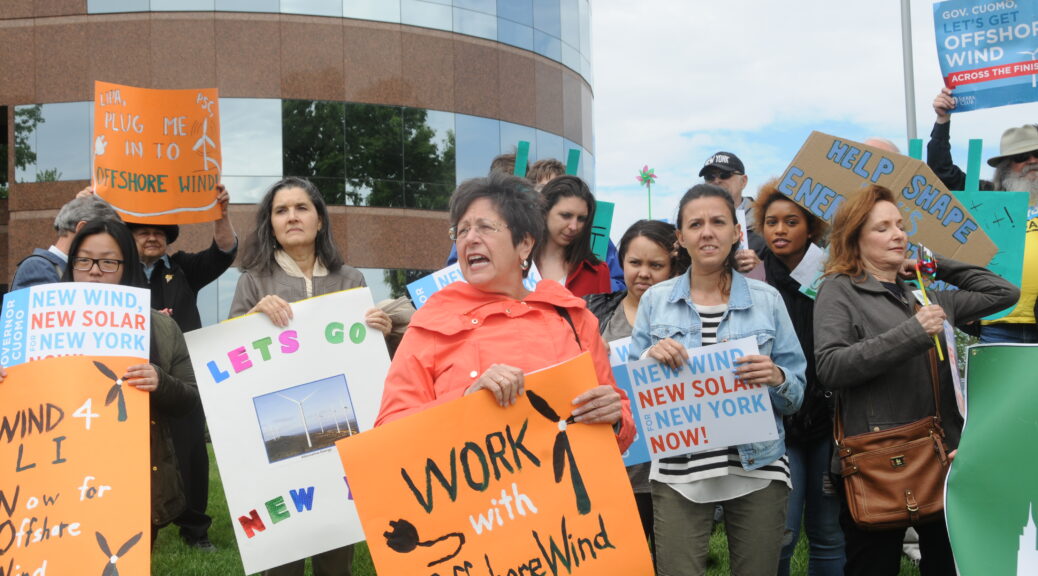
The Department of the Interior is holding a record-breaking offshore wind lease sale, with the most lease areas ever offered, in the New York Bight off the coasts of New York and New Jersey. The upcoming lease sale is projected to generate up to 7 gigawatts (GW) of clean energy, power two million homes, and create thousands of jobs in manufacturing, construction, operations, maintenance, and service industries in nearby communities. The sale includes innovative lease provisions that will lead to offshore wind projects being built with union labor and Made in America materials. Working together, New York, New Jersey and the federal government will build on these new lease stipulations through a new federal-state partnership that will ensure local residents—including underserved communities—benefit from new developments.
A number of agencies are working together to drive the rapid build-up of offshore wind—a brand new U.S. clean energy industry that can create nearly 80,000 good-paying jobs by 2030. For example, the Department of Transportation recently announced port investments to help develop areas that will be used to build and stage offshore wind turbine components, and efforts are underway across the Departments of Commerce, the Interior, and Energy to promote biodiversity and cooperative ocean use and support innovation across the supply chain.
The Departments of the Interior, Agriculture, Defense, Energy, and the Environmental Protection Agency are forming a new collaboration to improve the efficiency and effectiveness of reviews of clean energy projects on public lands, in order to expand solar, onshore wind, and geothermal energy, building on the Department of the Interior’s approvals over the past year of 18 onshore projects that will deliver 4.175 GW of clean energy.
The Department of Energy is launching a new Building a Better Grid initiative to accelerate the deployment of new transmission lines—as enabled by the Bipartisan Infrastructure Law—to connect more Americans to cleaner, cheaper energy. This transmission buildout will make our grid more reliable and resilient in the face of intensifying extreme weather and is critical to achieving the President’s goal of 100% carbon pollution-free electricity by 2035.
To ensure that these benefits reach all Americans, the Department of Agriculture is creating a new pilot program to support clean energy in underserved rural communities and the Department of Commerce is awarding American Rescue Plan funds to support regional coalitions to grow new industry clusters focused on clean energy deployment and job training. And the release of a new report from the National Renewable Energy Laboratory shows that the Administration’s SolarAPP+ tool is reducing permitting times for residential installations to less than one day, helping local governments fast-track rooftop solar.
Today’s announcements build on a year of unprecedented progress on clean energy deployment. Before President Biden took office, projects were stalled and agencies were hollowed out. But during his first week, the President issued an Executive Order on Tackling the Climate Crisis at Home and Abroad, which mobilized the entire federal government to activate and deploy clean energy so that Americans can reap the immense climate and economic benefits of the clean energy future.
The Administration continues to use every tool available to deploy clean energy at a record pace. But to fully seize the opportunities of a clean energy economy, President Biden is pressing forward on passing the Build Back Better Act. The historic legislation will amount to the nation’s largest investment in combatting climate change, lowering energy costs for working families, and building a clean energy future. It will support domestic manufacturing of wind turbines, solar panels, and other clean technologies; invest in workforce development programs to launch careers in these growing industries; and provide a historic set of clean energy tax credits that are more powerful and accessible. With these investments, the U.S. will lead the world on innovative climate solutions and save the average American family hundreds of dollars each year in energy costs.
As work continues to pass the Build Back Better Act, today’s announcements further the Administration’s ongoing commitment to powering our economy with clean American energy:
ADVANCING OFFSHORE WIND TO CREATE JOBS
To deploy offshore wind at the speed and scale necessary to achieve our climate goals and create tens of thousands of jobs, the Administration is announcing:
Record-Breaking Lease Sale in the New York Bight. Last year, the Administration established a Wind Energy Area in the New York Bight off the coasts of New York and New Jersey. Today, the Department of the Interior’s Bureau of Ocean Energy Management (BOEM) is announcing the Final Sale Notice of six commercial lease areas—the most ever offered—with the potential to generate 5.6 to 7 GW of clean energy across 488,201 acres. Innovative leasing provisions will encourage winning bidders to enter into Project Labor Agreements (PLA) that support union jobs. They also will financially incentivize lessees to utilize wind turbine blades, towers, and cables made in America. To promote meaningful stakeholder engagement, lessees must identify any Tribes, ocean users, underserved communities, and others potentially affected by projects and report on engagement activities.
New State-Federal Partnership. Today, Interior Secretary Deb Haaland joined New York Governor Kathy Hochul and New Jersey Governor Phil Murphy to celebrate progress in the New York Bight and announce a new collaboration between BOEM, New York, and New Jersey on offshore wind with a focus on job creation and environmental justice. Through a new shared vision and working group, these partners will work together on strengthening regional supply chains and delivering benefits to underserved communities.
DOT Port Investments for Manufacturing and Staging Hubs. The Department of Transportation (DOT) recently awarded Port Infrastructure Development Program Grants to two hubs that will strengthen the U.S. offshore wind supply chain. In Virginia, the Portsmouth Marine Terminal will receive $20 million to construct staging and storage areas for wind turbine components—supporting union jobs for dockworkers, crane operators, and building trades members. In New York, the Port of Albany will receive $29.5 million for the Offshore Wind Tower Manufacturing Port Project, which will develop vacant areas along the Hudson River for a first-of-its-kind U.S. facility for fabrication and assembly of offshore wind towers, creating hundreds of jobs in construction, manufacturing, and maritime activities. DOT announced in March 2021 that this discretionary port funding would be available to support offshore wind activities, and that climate and environmental justice considerations would factor into the review process. The Bipartisan Infrastructure Law significantly increases funding for the Port Infrastructure Development Program Grants to expand federal investments in ports.
Funding for Innovative Supply Chain and Maintenance Projects. The National Offshore Wind Research and Development Consortium is awarding over $3 million to six offshore wind R&D projects, bringing total investment through NOWRDC over the past year to $14 million. The competitive awards will fund three new supply chain projects to facilitate U.S. manufacturing, ensure quality component production, and simplify transportation of major wind plant components. Three additional projects will support asset monitoring and inspection to reduce operational costs for offshore wind farms. The NOWRDC was established in 2018 with a $20.5 million Department of Energy (DOE) investment and matching funds from the New York State Energy Research and Development Authority (NYSERDA), with follow-on contributions from state agencies in Maryland, Virginia, Massachusetts, Maine, and New Jersey—all resulting in approximately $48 million in committed funds.
NOAA-BOEM Memorandum of Understanding. The Commerce Department’s National Oceanic and Atmospheric Administration (NOAA) and BOEM are entering an interagency agreement to collaboratively advance offshore wind energy while protecting biodiversity and promoting cooperative ocean use. This partnership underscores NOAA and BOEM’s commitment to leverage their resources and expertise to responsibly deploy 30 GW by 2030 in a way that protects environmental quality, creates jobs, and advances environmental justice.
DOE Report Underscoring Need for Continued Offshore Wind Investment. The Department of Energy will be issuing a report on “Offshore Wind Energy Strategies: Regional and National Strategies to Maximize the Effectiveness, Reliability, and Sustainability of U.S. Offshore Wind Energy Development and Operation.” It outlines five strategic priorities for tapping into the enormous potential for growth and job creation in the offshore wind industry: expanding targeted federal incentives, reducing costs through innovation, improving siting and permitting processes, investing in supply chain development, and facilitating grid integration of offshore wind projects. The President’s Build Back Better Act would advance these priorities with expanded investment and production tax credits for offshore wind deployment, advanced manufacturing credits to incentivize Made in America wind turbine components, and investments across transmission planning, port infrastructure, and improved leasing and permitting processes.
These actions follow a year of interagency collaboration to jumpstart the U.S. offshore wind industry—in 2021, the Administration:
Launched an offshore wind strategy to achieve a new national target of deploying 30 GW by 2030 and create jobs up and down the supply chain, from factories in the heartland to shipyards on the coasts.
Approved the nation’s first two commercial-scale offshore wind projects, Vineyard Wind 1 and South Fork Wind, which will be built by a highly skilled, well-paid union workforce.
Developed a roadmap for holding seven offshore wind lease sales and completing reviews of 16 multi-billion dollar offshore wind projects—representing 22 GW of clean energy—by 2025.
Moving ahead in 2022, BOEM will conduct reviews of wind energy areas offshore northern California (Humboldt) and central California (Morro Bay); explore new potential Wind Energy Areas in the Gulf of Mexico and off the coasts of Oregon and the central Atlantic; and advance lease sales in the Carolina Long Bay and offshore California.
FAST-TRACKING CLEAN ENERGY ONSHORE
America’s public lands have substantial potential to support solar, wind, and geothermal energy projects. As part of ongoing efforts to advance these projects in an environmentally sound way and in close collaboration with community stakeholders, the Administration is announcing:
Five-Agency Collaboration to Expedite Reviews. The Departments of the Interior, Agriculture, Defense, Energy, and the Environmental Protection Agency have issued a new Memorandum of Understanding to improve federal agency coordination and prioritize reviews for renewable energy projects located on public lands managed by the Interior and Agriculture Departments. This collaboration will expedite decision-making by establishing interagency coordination teams with qualified staff to facilitate environmental reviews and other federal reviews.
Renewable Energy Coordination Offices. The Department of the Interior is developing plans for new Renewable Energy Coordination Offices (RECOs), authorized by the Energy Act of 2020. The RECOs will realign Bureau of Land Management resources to consolidate renewable energy work, and support collaboration on public lands renewable energy project permitting across Interior and other federal agencies.
Major Progress toward 25 GW by 2025. Since President Biden took office, the Administration has approved 18 onshore projects totaling 4.175 GW (including eight located on public lands and ten with interconnection lines on public lands) and initiated processing of another 54 priority projects with the potential to add at least 27.5 GW of clean energy. Most recently, the Bureau of Land Management approved the Arica and Victory Pass solar projects in California, which will provide up to 465 megawatts of electricity with up to 400 megawatts of battery storage. With today’s actions, the Administration will continue advancing toward the goal of permitting 25 GW of solar, onshore wind, and geothermal energy on public lands by 2025.
BUILDING CLEAN TRANSMISSION LINES
The President’s Bipartisan Infrastructure Law is the largest-ever investment in America’s power grid, including funding to build out thousands of miles of new transmission lines that are critical to unlocking clean energy resources and providing American homes, schools, and businesses with electricity that is more affordable and reliable in the face of extreme weather, wildfires, and other disasters.
To harness the new funding in the Bipartisan Infrastructure Law, today the Department of Energy is announcing a coordinated transmission deployment program, which will catalyze nationwide buildout of long-distance, high-voltage transmission lines. As outlined in a new Notice of Intent, the pillars of the “Building a Better Grid” initiative are:
Financing transmission lines and other grid upgrades, including through the Bipartisan Infrastructure Law’s new $2.5 billion Transmission Facilitation Program, a revolving fund for new, replacement, or upgraded transmission lines; $3 billion expansion of the Smart Grid Investment Grant Program, focused on advanced technologies that increase capacity and enhance flexibility of the existing grid; and more than $10 billion in grants for states, Tribes, and utilities to enhance grid resilience and prevent power outages. DOE will also leverage existing financing, including the $3.25 billion Western Area Power Administration (WAPA) Transmission Infrastructure Program, which facilitates deployment of renewable energy in WAPA’s 15-state service territory, and a number of loan guarantee programs through the Loan Programs Office.
Strengthening coordination with state and local governments, Tribal nations, and other stakeholders, including through participation in regional convenings with independent system operators (ISOs), regional transmission organizations (RTOs), state regulatory commissions, utilities, and others.
Modernizing transmission planning to drive investment to the highest-need projects, including through a new National Transmission Planning Study, National Transmission Needs Study, Offshore Wind Transmission Study, and expanded technical assistance to help states and regions with policy implementation.
Improving permitting processes, in coordination with the Infrastructure Implementation Task Force and other federal initiatives, including by helping developers provide early information to permitting agencies; using public-private partnerships to advance new transmission lines and system upgrades; and designating National Corridors in areas with transmission capacity constraints that harm consumers.
Supporting research, development, and demonstration (RD&D) of next-generation transmission technology, including through collaborations with the National Laboratories and industry partners.
Last year, the Administration laid the foundation for these efforts by revitalizing Department of Energy transmission financing assistance programs and through Department of Transportation actions to help states host transmission lines along public highways and other transportation rights-of-way.
DELIVERING BENEFITS TO COMMUNITIES ACROSS THE COUNTRY
The Administration has prioritized clean energy deployment in rural communities, providing financing for agricultural producers and rural small businesses to install solar arrays and other clean energy infrastructure and for grid upgrades across rural areas. To build on these investments, the Department of Agriculture is creating a new Rural Energy Pilot Program with $10 million in available grants for rural communities that are particularly underserved to deploy community-scale clean energy technologies, innovations, and solutions. This upcoming pilot program will also help economically distressed rural communities conduct community energy planning to advance local goals for clean, affordable, and reliable power.
Additionally, President Biden’s American Rescue Plan is driving historic economic recovery from the pandemic—including by helping communities create new jobs and industries in clean energy. The Department of Commerce’s Economic Development Administration (EDA) recently announced the finalists for Phase 1 of the Build Back Better Regional Challenge, which uses American Rescue Plan funds to support regional industry clusters that will promote equitable economic growth and workforce development. The finalists include 14 regional coalitions focused on clean energy and other climate-related industries, which will receive a combined $7 million in planning grants and compete to win awards of $25 million to $100 million for implementation. Among these finalists are projects to reuse abandoned mine lands for solar, wind, and geothermal energy generation; utilize offshore wind as a power source for hydrogen production in industrial areas; and support clean energy job training, entrepreneurship, and innovation in areas historically dependent on fossil fuel economies.
The Administration is also helping local governments speed up approvals for rooftop solar in order to unlock economic and health benefits for their communities. In July 2021, the Department of Energy launched the Solar Automated Permit Processing (SolarAPP+) tool, an online platform that enables jurisdictions to rapidly approve residential solar installation permits. Now, a new report from the National Renewable Energy Laboratory shows that in a pilot conducted in Arizona and California, the SolarAPP+ tool reduced the average permit review time to less than one day. More than 125 localities have already signed up to consider using SolarAPP+, and the Department of Energy is continuing to recruit additional communities across the country.
Even as President Obama works frantically in the closing days of his administration to facilitate a transition to clean, renewable energy in order to address the climate change crisis, the incoming occupier Donald Trump has called Climate Change a hoax perpetrated by China to weaken the US economy, and has promised to ease the way for domestic oil and gas production and coal mining.
The news that the largest domestic oil & gas field in US history has just been unearthed in Texas by the US Geological Survey – 20 billion gallons ($900B worth) – means that, with Trump controlling energy policy, the US is doomed to global-warming carbon economy for the foreseeable future, or until earth is rendered uninhabitable by climate change. What do you bet Trump will cancel any incentive to clean energy?
Meanwhile, Obama has been working frantically to raise the threshold of clean, renewable energy. Here is the latest (possibly final) initiative. One wonders whether Trump will reverse it, just because he can.
This fact sheet is from the White House (and should stand as a reminder of all that we are about to lose):
FACT SHEET: OBAMA ADMINISTRATION ANNOUNCESNEW ACTIONS TO BRING CLEAN ENERGY SAVINGSTO ALL AMERICANS
Through President Obama’s Clean Energy Savings for All Initiative and beyond, we are making progress opening up opportunities for all American’s to go solar and retrofit their homes and businesses to be more energy efficient. Since President Obama took office, the amount of electricity we generate from the sun has increased more than 30 fold, we added solar jobs 12 times faster than the rest of the economy, and we’ve cut the price of residential solar energy systems more than 50 percent. In fact, earlier this week the U.S. Department of Energy’s SunShot program announced a new target to cut the cost of solar in half by 2030. At the same time, energy consumption in 2015 was 1.5 percent lower than it was in 2008, while the economy grew by 10 percent over the same period. And we have improved the energy efficiency of more than one million low and moderate income homes.
Today, in coordination with a White House Clean Energy Savings for All Summit in Baltimore, Maryland hosted by Energy Secretary Ernest Moniz and Labor Secretary Tom Perez, the Obama Administration is taking the following new actions:
Launching a Challenge to Bring Solar Energy to Dozens of Low and Moderate Income Communities: The U.S. Department of Energy’s SunShot Initiative is launching a new Solar In Your Community challenge to expand solar access to Americans who have been left out of the growing solar market, including low- and moderate-income (LMI) households, state, local and tribal governments, and non-profit organizations. One hundred teams across the country will compete for cash prizes and technical assistance as they demonstrate innovative business and financial models that expand solar access to under-served groups. The teams with the most scalable, replicable solar business models will be eligible to win $1 million in final prizes, including a $500,000 grand prize. This challenge will reduce market barriers to solar deployment by spurring dozens of projects across the nation, with an emphasis on new and emerging solar markets. The challenge will help to achieve President Obama’s goal to bring 1 gigawatt (GW) of solar to low and moderate income families by 2020, test new business models that expand solar access, build local capacity to support community-scale solar projects, and establish resources that will aid in expanding solar access to underserved communities.
Growing the Reach And Impact of the Obama Administration’s National Community Solar Partnership: Last July, the Administration launched the National Community Solar Partnership—a collaborative effort between DOE, HUD, USDA, EPA, representatives from solar companies, NGOs, and state and community leaders —which works to unlock access to solar for the nearly 50 percent of households and businesses that are renters or do not have adequate roof space to install solar systems, in particular, for low- and moderate- income communities. Since we launched the partnership last year, more than 150 companies, organizations, and universities that represent 36 states have joined the effort to increase access to community solar, growing the number of members to 155, including the following 27 new partners joining today:
C2 Special Situations Group – New York
Center for Sustainable Communities – Georgia
Clean Energy States Alliance – Vermont
Connexus Energy – Minnesota
Elemental Energy, Inc. – Oregon
Energy Alabama – Alabama
Energy Outreach Colorado – Colorado
Energy Solidarity Cooperative – California
Environment Georgia – Georgia
Great Plains Institute – Minnesota
ICAST – Colorado
Imani Energy, Inc. – Delaware
Metropolitan Area Planning Council – Massachusetts
Minnesota Department of Commerce – Minnesota
MN Community Solar – Minnesota
Monadnock Sustainability Network – New Hampshire
Nebraskans for Solar – Nebraska
North Carolina Clean Energy Technology Center – North Carolina
Novel Energy Solutions – Minnesota
Placer Consulting Services LLC – Tennessee
Reneu Energy – New York
Rhode Island Office of Energy Resources – Rhode Island
Rural Communities Housing Development Corporation – California
Solar Site Design – Tennessee
Sunvestment Group, LLC – New York
Tralee Capital Partners – Colorado
West Virginia Solar Systems – West Virginia
Issuing Best Practices for Promoting the Development of Smart Residential PACE Financing Programs that ProtectConsumers: Today, DOE is releasing updated Best Practice Guidelines for Residential PACE Financing Programs. The guidelines provide best practices that can help state and local governments, PACE program administrators, and their partners to plan and implement programs that effectively deliver clean energy, water efficiency, and related upgrades to consumers. The updated best practices reflect input gained from over 200 comments on draft guidelines released for public review earlier this summer. The new guidelines include additional protections for consumers who voluntarily opt into PACE programs and lenders who hold mortgages on properties with PACE assessments. DOE also provides additional guidelines and program design recommendations to help ensure PACE financing is used appropriately and at the lowest cost for low-income households that otherwise meet program eligibility criteria. DOE will continue supporting state and local governments in incorporating the guidelines into PACE statutes and regulations as they are developed and modified. Additional information about PACE financing and technical assistance available at DOE can be found at their State and Local Solution Center. The best practices build on the PACE financing guidance issued by the Federal Housing Administration and Department of Veterans Affairs this summer.
Announcing a New Partnership to Help Improve Energy Efficiency in HUD-Assisted and Public Housing: This summer, the U.S. Department of Housing and Urban Development began partnering with EDF Climate Corps fellows to promote utility benchmarking of HUD-Assisted and Public Housing. The fellows will be embedded with organizations across the country to offer assistance in analyzing and documenting portfolio-wide energy usage and developing strategies to improve energy performance and reduce operating costs.
Creating a Clean Energy Compact between the Department of Energy and Historically Black Colleges and Universities to Forge a Workforce and Community Investment Program: As the energy industry continues to transform, the U.S. Department of Energy is working with Historically Black Colleges and Universities to establish the Historically Black Colleges and Universities Clean Energy Coalition (HBCU-CEC). The goal is to strategically engage the nation’s HBCUs in the adoption of energy efficiency, solar and other renewable energies on campus and within the communities where HBCUs are located, primarily populated by low and moderate income individuals and families. Collectively, the coalition, with technical assistance from the Department of Energy, led by the Energy Jobs Strategy Council and the Office of Economic Impact and Diversity, will forge a workforce and community investment program focusing on energy education and awareness, low and moderate income solar deployment, building energy efficiency, job creation, jobs skills training, utility costs savings, and reduction in environmental impacts. These efforts will help to position HBCUs as demonstrated leaders in deploying clean energy in low and moderate income communities while insuring the community benefits from resultant economic and social opportunities.
Even as the Clean Energy Revolution March gets underway on Sunday, July 24 just ahead of the Democratic National Convention, the White House released a fact sheet describing the Clean Energy Savings for All Americans Initiative. The March is to win support – from Democrats (since Republicans unabashedly deny Climate Change and hold in their platform the elevation of coal and fossil fuels while impeding clean, renewable energy – to ban fracking and to achieve 100% clean, renewable energy by 2030, without the fiction of natural gas or even worse, nuclear, as a “bridge” or transition fuel. The demands of the march are simple and bold:
Ban fracking now
Keep fossil fuels in the ground
Stop dirty energy
Environmental justice for all
A quick and justly transition to 100 percent renewable energy
Meanwhile, here is the Fact Sheet presented by the White House on “clean Energy Savings for All Americans” Initiative.
(ClickHEREto view a video on Access to Solar Panels featuring President Obama)
President Obama is committed to ensuring that every American family can choose to go solar and to cut their energy bills – and that every American community has the tools they need to tackle local air pollution and global climate change.
Since President Obama took office, solar electricity generation has increased 30 fold and solar jobs are growing 12 times faster than the rest of the economy. Last year, we announced a set of actions to increase access to solar and create a more inclusive workforce, but there is still more work to do. That is why, today, the Obama Administration is announcing a new cross government partnership – the Clean Energy Savings For All Initiative – between the Departments of Energy (DOE), Housing and Urban Development (HUD), Agriculture (USDA), Health and Human Services (HHS), Veteran’s Affairs (VA), and the Environmental Protection Agency (EPA) to increase access to solar energy and promote energy efficiency across the United States and, in particular in low- and moderate- income communities.
Through the Clean Energy Savings for All Initiative, the Administration will work to ensure that every household has options to choose to go solar and put in place additional measures to promote energy efficiency. To continue along this track, the Administration, in collaboration with state agencies, is announcing a new catalytic goal to bring 1 gigawatt (GW) of solar to low- and moderate- income families by 2020. This goal is a 10 fold increase and an expansion of the initial target President Obama set in his Climate Action Plan to install 100 MW of renewable energy on federally-assisted affordable housing by 2020. The Clean Energy Savings for All Initiative will help achieve the goal by promoting innovative financing mechanisms, bolstering technical assistance for states and communities, driving innovation, scaling up workforce training to make sure low- and moderate-income Americans can take advantage of the jobs that come with a transition to clean energy, convening stakeholders, and working with the private and philanthropic sectors. The key components of the initiative that the Administration is announcing today are:
HUD and Department of Veterans Affairs (VA) are releasing new guidance to unlock residential Property-Assessed Clean Energy (PACE) financing by outlining how properties with PACE assessments can be purchased and refinanced with Federal Housing Administration (FHA) mortgage insurance and by welcoming the use of PACE financing for Veterans Affairs (VA)-insured mortgages. In addition, DOE is releasing a draft of their updated Best Practices Guidelines for Residential PACE Financing for public comment. PACE is a tool that allows American homeowners, including low- and moderate- income households and veterans, to finance solar and energy efficiency improvements at no upfront cost and to pay back the cost over time through their property tax bill;
DOE is developing a Community Solar Challenge that will award teams in dozens of communities up to $100,000, in cash prizes and technical assistance, to develop innovative models to increase solar deployment and cut communities’ energy bills, in particular in low income communities;
HHS and DOE are making it easier to use hundreds of millions of dollars for energy efficiency improvements by providing technical assistance to Low Income Housing Energy Assistance Program (LIHEAP) grantees on their ability to access 15 – 25 percent of their annual LIHEAP funding for low cost energy efficiency improvements, including renewable energy;
DOE is making sure low- and moderate-income Americans can take advantage of the jobs that come with a transition to clean energy by launching the Solar Training Network, which will help create a more inclusive workforce by connecting solar workforce trainers, solar employers, and individuals interested in working in the solar industry;
EPA, DOE, and HUD are bringing people together to share best practices on how to finance and overcome barriers to creating healthier communities; and
More than 120 housing authorities, rural electric co-ops, power companies, and organizations in more than 36 states across the country are committing to investing $287 million and putting in place more than 280 megawatts (MW) of solar energy projects, including projects to help low- and moderate- income communities save on their energy bills and further the deployment of community solar.
The announcements today will result in lower energy bills, more empowered consumers, and cleaner communities.
EXECUTIVE ACTIONS TO SCALE UP SOLAR AND REDUCE ENERGYBILLS
To continue supporting all American communities in deploying renewable energy while creating jobs and reducing carbon pollution, the Administration is announcing the following actions:
Supporting the Scale Up of Property-Assessed Clean Energy (PACE) Financing: Since 2009, the Obama Administration has been working to provide homeowners the opportunity to finance solar and energy efficiency improvements at no upfront cost through a mechanism called PACE, including through the Middle Class Taskforce and by releasing aPolicy Framework for PACE Financing Programs. Today, the Obama Administration is taking a number of new actions to allow American homeowners, including low- and moderate- income households and veterans to use PACE financing. This innovative financing mechanism allows homeowners to benefit from energy improvements immediately and pay back the cost over time through their property taxes. If the property is sold, including through foreclosure, the remaining PACE assessment will stay with the more energy efficient property and the next owner will become responsible for the remaining PACE assessment. The PACE initiatives announced today will unlock alternative sources of capital for low- and moderate- income Americans and veterans to scale up solar, promote energy and water efficiency retrofits, and create more resilient homes, leading to reduced energy bills, more empowered consumers, and cleaner communities.
Ø Issuing Guidance on how to Use FHA Mortgage Insurance with PACE Financing: For more than 80 years, the Federal Housing Administration (FHA) has provided low- and moderate- income households and underserved communities access to safe and affordable housing through FHA mortgage insurance. Each day, more than 3,000 people close on a home for which the mortgage is insured by FHA. Today, FHA is releasing guidance outlining how properties with PACE assessments can be purchased and refinanced with an FHA-insured mortgage. This action is intended to support renewable energy and energy efficiency investments in single family housing, support retrofits that boost resilience to climate risks, and remove existing barriers to using PACE financing. The key requirements outlined in FHA’s guidance are: the PACE assessment does not take first lien position ahead of the mortgage and the assessment transfers from one property owner to the next, including through a foreclosure sale. The guidance also requires appraisers to analyze and report on the impact of PACE-related improvements to the value of the property.
Ø Unlocking PACE Financing for Veterans: Today, in support of the Administration’s longstanding commitment to create a clean-energy economy and help Americans take advantage of clean energy technologies, the Department of Veterans Affairs (VA) is issuing policy guidance on PACE-financed homes. Today’s guidance will clarify the circumstances under which Veterans are able to take advantage of PACE programs in conjunction with their VA Home Loan Guaranty benefit, providing a new opportunity for veterans to participate in the clean energy economy and save on their energy bills.
Ø Providing Best Practices for New and Existing Residential PACE Programs throughout the Country:DOE is releasing a draft of their updated Best Practices Guidelines for Residential PACE Financing for public comment from stakeholders, including consumer advocates, public policy leaders, and industry. This public comment period is critical to ensuring the highest levels of consumer and lender protections. Across the nation, fifteen states have already adopted residential PACE-enabling legislation. Overall, nearly 100,000 households have utilized PACE programs to finance over $2 billion in energy saving improvements to their homes. The updated guidelines reflect the evolving structure of the PACE market and incorporate lessons learned from various PACE programs that have been successfully implemented since the original guidelines were issued. They provide best practices for residential PACE programs, including protections to both consumers who voluntarily opt into PACE programs, and to lenders who hold mortgages on properties with PACE assessments. The guidelines can also be used by PACE program administrators, contractors and consumers to plan, develop and implement programs and improvements that effectively deliver home energy and related upgrades. DOE’s updated Best Practice Guidelines for Residential PACE Financing rely upon important progress that the Department has made in a critical partnership with industry, including a formal partnership with the Appraisal Foundation to develop guidance on valuation of energy efficiency in residential and commercial buildings that was launched in 2011. DOE is also partnering with the Appraisal Institute to integrate energy efficiency into appraisals and real estate transactions and deliver education and training to appraisers through the Better Buildings Home Energy Information Accelerator, where they have enlisted the support of the Real Estate Standards Organization, the Council of MLS, Homes.com, and National Association of Realtors.
Ø Providing Technical Assistance to Make it Easier for States and Communities to Stand Up Smart PACE Programs:DOE will provide technical assistance to support the design and implementation of effective PACE programs, including conducting a series of webinars and online workshops to facilitate peer exchange and provide access to PACE experts; conducting research on the lessons learned from state and local residential PACE programs , including analysis of the impact of PACE on community adoption rates of energy efficiency improvements and per household energy consumption, and various program design strategies, and effectiveness of PACE relative to other financing mechanisms. DOE is also working with State Energy Offices, local government representatives, residential PACE industry representatives, and subject matter experts to focus on residential PACE program design (including consumer protection options) and the development and dissemination of detailed program best practices.
Developing a Community Solar Challenge: To help meet the Administration’s 1 GW goal, DOE is announcing the development of aCommunity Solar Challenge that will award teams in dozens of communities up to $100,000 to develop innovative models to increase solar deployment and cut communities’ energy bills, in particular in low-income communities. Today, the DOE SunShot Initiative is releasing a request for information to gather feedback and information on the structure of challenge. Shared solar systems of 2 megawatts (MW) or less with 40 percent low- and moderate- income subscribers, solar systems that benefit low-income families, and solar for community assets, e.g., hospitals, schools, food banks, and health clinics will be eligible. This challenge will reduce market barriers to solar deployment by spurring the deployment of dozens of projects across the nation, with an emphasis on new and emerging solar markets.
Making it Easier for Low Income Households to Access Hundreds of Millions of Dollars in Funding for Renewable Energy Investments:The Low Income Home Energy Assistance Program (LIHEAP) provides, on average more than $3 billion a year to communities across the country and includes a provision that allows LIHEAP grantees to access 15 – 25 percent of their annual funding for low cost weatherization and energy efficiency improvements. Today, we are announcing technical assistance to LIHEAP grantees to increase their ability to use this funding to support the deployment of renewable energy.
Tracking the Deployment of Solar on Low- and Moderate Income Households: DOE, in collaboration with HUD and GTM Research, will work with the national labs to track progress on the deployment of solar energy for low- and moderate- income households, in particular to reach the Administration’s 1 GW goal.
Providing Technical Assistance to Make it Easier for More Americans to Participate in the Clean Energy Economy:Today, the Administration is announcing three actions to ensure all communities have the information they need to participate in the clean energy economy.
Ø Creating a Resource Hub to Promote Energy Access: DOE is creating a cross-agency digital hub on the Solar Powering America website so that communities, businesses, organizations and state and local governments can learn about federal resources to help low- and moderate-income Americans go solar.
Ø Providing Resources to Bring Energy Efficiency and Renewable Energy to Low-Income Communities: In the coming months, the EPA will provide additional informational resources to help state and local energy, environmental, housing, and social services agencies, non-profits, and utilities understand successful models they can use to bring energy efficiency and renewable energy to low-income communities. Current resources available on the EPA’s website include five case studies and profiles, recordings from three webinars, and a guide to EPA programs.
Ø Providing Technical Assistance to Remote Communities: DOE’s Office of Indian Energy (IE) is announcing $7 million in funding to establish an inter-tribal technical assistance energy providers’ network. This program will provide Alaska Native communities assistance to develop energy experts that provide technical energy assistance and informational resources to their member Alaska Native villages.
Bringing People Together to Share Best Practices on how to Finance and Overcome Barriers to Creating Healthier Communities:Today, the Obama Administration is announcing we will host a series of convenings across the country to expand access to financing for community solar and develop new partnerships to create healthier communities:
Ø Convening Banks and Regulators to Expand Access to Financing for Community Solar Projects for Low- and Moderate- Income Households:DOE is announcing its plans to convene local and regional banks and their regulators for a summit to identify strategies to improve and expand community solar project financing, with an emphasis on serving low- and moderate-income households. The summit will provide the most recent information on the potential market opportunities for community solar, underwriting best practices, and updates on regulatory guidance.
Ø Convening a Series of Clean Energy Savings for All Summits Across the Country: Working with national and regional partners, the White House, U.S. Department of Energy, U.S. Environmental Protection Agency, and U.S. Department of Housing and Urban Development, will convene a series of Clean Energy Savings for All Summits in communities across the United States, beginning with a Summit on August 9, 2016 in Spartanburg, South Carolina. These events will provide local and state officials, advocates, community organizations, and interested members of the public an opportunity to develop new partnerships and learn about ways we can further reduce air pollution, deploy clean energy and energy efficiency, and build an inclusive clean energy economy for all Americans.
Ø Hosting a National Funding Resources and Training Summit for Vulnerable Communities: On October 25-26, 2016, the EPA will host The National Funding Resources and Training Summit for Vulnerable Communities in Washington, DC to enhance collaboration around environmental, health and economic concerns and ensure vulnerable populations have access to information, services, and data for increased resilience, engagement, and sustainability. The summit themes will include: just transition workforce development, financial resources and entrepreneurship development, and health and environmental training and outreach.
Building an Inclusive Solar Energy Workforce: Since the President took office, we have trained more than 50,000 workers to enter the solar industry, bringing us closer reaching our goal of training 75,000 workers to enter the solar industry by 2020. To continue enhancing employment opportunities for all Americans, including low-income and minority communities, and make sure workers can take advantage of the jobs that come with a transition to clean energy:
Ø DOE is Launching the Solar Training Network: The Solar Training Networkwill support the development of a well-trained and inclusive workforce by connecting trainers, solar employers, and individuals interested in working in the solar industry. The Solar Foundation will administer the program and will create a centralized clearinghouse for solar workforce tools and resources, including the establishment of a Solar Jobs Strategy Commission to foster an exchange of resources and knowledge between training providers and the solar industry. The Solar Foundation will also conduct research and analysis to enhance the understanding of the solar industry’s workforce and training supply, demand, costs, and needs.
Ø DOE is Announcing a Community and Workforce Investment Program in Baltimore, Maryland:Today, DOE’s Job Strategy Council launched a community and workforce investment program to both create new employment opportunities and train low income residents in West Baltimore for jobs in the solar industry. DOE’s Initiative will explore options to expand access to solar for renters and local individuals in the Baltimore area, investigate the possibility of installing solar panels on public housing units, and in collaboration with the Morgan Community Mile Solar Installation Project, a partnership with Morgan State University, Baltimore’s Sustainability Office, GRID Alternatives, Civic Works and the local communities, weatherize and install solar panels on 33 low income homes in the Morgan Community Mile neighborhood of Baltimore. Today, DOE, the City of Baltimore and the Maryland Clean Energy Center signed a Memorandum of Understanding intended to accelerate the growth of and access to solar and renewable energy jobs and to prepare a roadmap for rapid demonstration and deployment.
STATE AND PRIVATE SECTOR COMMITMENTS TO INCREASE SOLAR ENERGYAND CUT ENERGY BILLS IN COMMUNITIES ACROSS AMERICA
To help us achieve our new goal to bring 1 GW of solar energy to low- and moderate- income families by 2020, today, the Administration is announcing more than 120 new commitments from the private, state, local, and philanthropic sectors in 36 states to support the deployment of solar energy in low-and moderate income communities and promote community solar and energy efficiency. Today’s new commitments represent $287 million in investment, and nearly 280 MW of community solar and low-and moderate income solar deployment. They bring the total amount of commitments secured to more than $800 million in investment and more than 491 MW of solar power. These announcements include:
Growing The Reach And Impact Of The National Community Solar Partnership by 6 Fold:Last July, the Administration launched the National Community Solar Partnership—a collaborative effort between the DOE, HUD, USDA, EPA, representatives from solar companies, NGOs, and state and community leaders —which works to unlock access to solar for the nearly 50 percent of households and businesses that are renters or do not have adequate roof space to install solar systems, in particular, for low- and moderate- income communities. Since we launched the partnership last year, more than 110 companies, organizations, and universities that represent 25 states have joined the effort to increase access to community solar, growing the number of members by six fold to 135, including the following 67 new partners joining today:
All Energy Solar – Minnesota
Altus Power America – Oklahoma
Banner Solar – Idaho
Binghamton Regional Sustainability Coalition – New York
Bonneville Environmental Foundation – Oregon
Boston Community Capital – Massachusetts
Building Science Innovators, LLC – Louisiana
Cadmus – Colorado
Center for Resource Solutions – California
Central New York Regional Planning and Development Board – New York
Clean Energy Economy Minnesota – Minnesota
Coalition for Community Solar Access – District of Columbia
CohnReznick, LLP – Maryland
Community Energy, Inc. – Pennsylvania
Community Green Energy – Wisconsin
Community Housing Works – California
Community Power Network – District of Columbia
Community Purchasing Alliance – District of Columbia
Co-op Power – Massachusetts
Cooperative Community Energy – California
Cooperative Energy Futures – Minnesota
County of Erie, NY – New York
Encore Renewable Energy – Vermont
Energy Outreach Colorado – Colorado
Enterprise Community Partners – District of Columbia
Environmental Law and Policy Center – Illinois
Ethical Electric – District of Columbia
Eutectics, LLC – Minnesota
Extensible Energy, LLC – California
Great Plains Institute – Minnesota
Green Long Island, Inc. – New York
GreenMark Solar – Minnesota
Hannah Solar – Georgia
kWh Analytics – California
Los Angeles County Metropolitan Transportation Authority – California
Lotus Engineering and Sustainability – Colorado
Metropolitan Washington Council of Governments – District of Columbia
Michigan Energy Options – Michigan
Microgrid Institute – Minnesota
Minnesota Renewable Energy Society – Minnesota
Navigant Consulting – District of Columbia
Nexamp – Massachusetts
Northern Virginia Regional Commission – Virginia
Nuance Energy Group Inc. – California
ProjectEconomics – New York
Renewable Energy Districts – New York
Renewable Energy Partners – Delaware
Renewable Energy Services – Hawaii
Savannah River National Laboratory – South Carolina
Seminole Financial Services – Florida
Solar Holler – West Virginia
Solar Land Solutions LLC – North Carolina
Solarize NoVA – Virginia
Sun Valley Institute for Resilience – Idaho
SunPower Corporation – California
Sunswarm Community Solar – California
Syncarpha Capital – New York
United States Solar Corporation – Connecticut
Upepo Group – Maryland
Utah Clean Energy – Utah
Vermont Community Solar, LLC – Vermont
Vivint Solar – Utah
West Monroe Partners – Illinois
Winn Companies – Massachusetts
Yeloha – Massachusetts
YSG Solar – New York
Zolargo Energy – California
25 Members of the Administration’s National Community Solar Partnership are announcing new commitments to deploy nearly 145 MW of community solar, including projects to scale up solar for low- and moderate- income households. These commitments represent over $187 million in investment.
Arcadia Power commits to deploying 5 megawatts of community solar by the end of 2016. This commitment builds on the 30 kilowatts in community solar projects the company has built.
BARC Electric Cooperative announces that a 550 kilowatt community solar project – the first in the Commonwealth of Virginia –will be completed in early summer 2016.
Binghamton Regional Sustainability Coalition and its partners announce at least six new community and shared solar projects over the next two years that will serve more than 100 low- and moderate-income customers in southern New York.
Black Rock Solar commits to developing 1 MW of solar for low-income communities in Nevada in 2016. This commitment builds on the 6.5 megawatts of solar the company has already built for non-profits, schools, rural areas, Native American tribes, and low-income housing in Nevada.
Capitol Assets Solar Development commits to deploying 250 kilowatts of low-income solar in Houston, TX by 2020.
Clean Energy Collective commits to develop 50 megawatts of projects in the next two years in New York, representing a $100 million investment in the state, and reaching up to 15,000 residential customers. This builds on CEC’s 160 megawatts of installed community solar in 12 states with 26 utility partners.
Community Green Energy commits to developing 10 megawatts of community solar in the state of New York over the course of the next 18 months, with several projects to serve the New York City region.
Community Housing Works has committed to install 2.8 megawatts of solar energy that offsets both common area and tenant loads of electricity in low-income communities. This endeavor impacts a total of 14 properties and approximately 1500 units. This project provides the tenants with a real economic benefit of about $150,000 per year.
Community Owned Shared Renewables Working Group announces a goal to facilitate community-owned development of at least four new solar projects in New York State.
Co-op Power commits to developing 3 MWs of community solar over the next two years in Massachusetts and New York. In Massachusetts, the organization will expand its offerings in urban and rural off-site solar. In New York City, Co-op Power is announcing a new partnership with Solar One to bring on-site community solar to 400 units of cooperative and low-income housing in 2016. This builds on current successes in developing a 600 kilowatts low-income accessible, community-owned solar system in western Massachusetts.
Extensible Energy and Smart Electric Power Alliance commit to working with at least eight utilities in the western United States to help them with the design of over 4 MW of community solar in the next year.
Green Long Island in partnership with Empower Solar announces their commitment to deploy 5 megawatts of community solar in Long Island, New York over the next three years.
GRID Alternativeswith support from The JPB Foundation, commits to provide no-cost technical assistance to help multifamily affordable housing managers, owners and developers add solar to their buildings, which will support HUD’s Renew 300 initiative under the President’s Climate Action plan, which targets the deployment of 300 MW of renewables for low-and-moderate income housing by 2020. Since 2006, GRID Alternatives has had the support of AmeriCorps VISTA. Due to capacity building support of the AmeriCorps VISTA members, GRID Alternatives went from 37 successful installations for low-income families per year in California in 2006 to over 1250 statewide in 2012.
Groundswell commits to develop five community solar projects in the next 12 months to demonstrate a scalable and replicable model for delivering affordable clean power to low- and moderate- income households. Groundswell will partner with faith based organizations, schools, and other local anchor institutions to complete five megawatts of community solar projects that will serve 1000 low- and moderate- income families in the Mid-Atlantic and Southeast. Developed in collaboration with Sustainable Capital Advisors, this expansion of our commitment builds on Groundswell’s successful pre-development efforts towards our first equitable community solar project, which will be constructed in Baltimore.
The Los Angeles County Metropolitan Transportation Authority (Metro) commits to develop an innovative community solar program for all of its capital projects. This aggressive new program will bring solar energy to communities throughout the LA region, and will represent a significant investment in communities and renewable energy over the near and long term. Metro is the first public transportation agency to pursue a community solar program, which builds on its success of deploying approximately 7 megawatts of renewable energy by the end of fiscal year 2017, with a goal of 66 percent renewable energy use by 2020.
Michigan Energy Options announces a new commitment to deploy 600 kilowatts of community solar in Michigan over the next year.
Nexampannounces 17 new community solar projects, to be completed by the end of 2016. Combined, these 35 megawatts of projects will serve nearly 2,000 Massachusetts households and non-profits, and represent an investment of $87 million in private capital. Nexamp also commits to an additional 15 megawatts of community solar projects for 2017.
RE-volvannounces the newest cohort of Solar Ambassadors. Over the next year, RE-volv will train 40 college students at 7 universities to spearhead solar crowdfunding campaigns in their communities. This cohort of Solar Ambassadors include students at Coastal Carolina University, Swarthmore College, University of Connecticut, University of Dayton, University of New England, University of Wisconsin, Madison, and University of Wisconsin, Milwaukee.
Rural Renewable Energy Alliance (RREAL) announces a commitment to deploy 500 kilowatts of low-income solar in the Upper Midwest region of the United States over the next 18 months and 100MW for solar for communities of all incomes by 2020.
Solar Land Solutions LLC announces its commitment to acquire 15 sites for potential community solar projects in the state of New York. This builds on success in helping clients acquire the rights to develop over 40 MW of community solar projects through the US.
Solarize NoVA announces its commitment to launch four new solarize campaigns in northern Virginia over the next year—in Alexandria, Vienna, Falls Church, and Loudon County. The group has already enabled 569 kilowatts of solar for 77 households, representing $2 million in investment.
The University of Maine announces plans to launch a new, interactive public database of the more than 5,000 community solar projects operating across the country. With support from the Senator George J. Mitchell Center for Sustainability Solutions, this web-based database will allow anyone to search and learn from existing community solar projects around the country.
Urban Ingenuityannounces the completion of two unique community-focused solar projects financed with PACE. A critical member of the U.S. Department of Energy-funded CivicPACE program, Urban Ingenuity has closed on nearly 200 kW of solar across a church’s sanctuary, and food bank in Northeast Washington, DC as well as 30 kW of solar on a nearby public charter school. With the November 2015 solar closing on a mixed-finance affordable housing redevelopment, these new projects bring Urban Ingenuity to three unique solar plus PACE financings on non-profit properties.
YSG Solar announces its commitment to deploy 15 megawatts of community solar in the New York City region over the next 10 months.
19 New Affordable Housing Providers and Low Income Solar Developers are Committing to Deploy Solar, Putting Us On Track to Exceed the Administration’sRenew300Goal To Install 300 Megawatts Of Renewable Energy in Federally Subsidized Housing: In the past two years, in response to the Administration’s call to action, 70 affordable housing providers and nonprofits have committed to install solar, including 19 new commitments being announced today to install 124 MW of solar energy. Today’s commitments, when combined with previous commitments, put us on track to install 344 MW of solar by 2020, exceeding our updated 2020 goal, and far surpassing the President’s target in the Climate Action Plan to install 100 megawatts (MW) of solar and other types of renewable energy in Federally subsidized housing by 2020.
Affirmed Housing Group, California
Codman Square Neighborhood Development Corporation, Massachusetts
Essex Plaza Management Company, New Jersey
Harmony Neighborhood Development, Louisiana
Housing Authority of the County of Los Angeles, California
National Community Renaissance of California, California
New Bedford Housing Authority, Massachusetts
The New York City Housing Authority-25 Megawatt Commitment, New York
Saint Paul Housing Authority, Minnesota
Corporation for Better Housing, California
Coachella Valley Housing Corporation, California
Housing Authority of the County of Santa Barbara, California
Levy Affiliated, California
Many Mansions, California
MidPen Housing, California
Palm Communities, California
People’s Self Help Housing, California
San Diego Youth Services, California
The Chicago Housing Authority, Illinois
New Partners Join DOE’s Clean Energy for Low Income Communities Accelerator. The Clean Energy for Low Income Communities Accelerator aims to lower energy bills in low income communities through expanded installation of energy efficiency and distributed renewables. Low income households spend an average of 15 to 20 percent of their income on energy bills, whereas energy burdens above 6 percent are typically considered unaffordable. This Acceleratorencourages the development of partnerships and replicable models and will work to identify funding options that a state-level agency, local government, or utility program could use to provide energy efficiency and renewable energy access to communities that need them most. Today, 13 new partners are announcing their participation, building on the 24 founding partners:
BlocPower
District of Columbia
Holland, MI
Orlando, FL;
Hawkeye Area Community Action Program (HACAP), Iowa
Couleecap Community Action Agency, Wisconsin
Community Action Program of Evansville and Vanderburgh County
EEtility
New York State Energy Research and Development Authority (NYSERDA)
State of Missouri
Opportunity Council
State of Washington
Tennessee Valley Authority (TVA)
More than 90 member-owned, not-for-profit rural electric cooperativesin 16 states across the country are committing to install community solar projects by the end of 2017. This builds on the nearly 60 co-ops in 25 states that have already brought online community solar projects in the last year. In fact, today, Pedernales Electric Cooperative is announcing a commitment to deploy up to 15 megawatts of community solar throughout its service territory, with construction beginning in late 2016.
Banc of California is announcing a $100 million investment in a new tax equity fund financing residential solar systems primarily to low- and moderate- income consumers and communities in California with a goal of expanding the investment to over $1 billion within 5 years. Historically, low- and moderate- income residents have not been able to obtain financing for solar systems thus this new fund will expand solar to these underserved communities lowering household electricity costs and making housing more affordable.
Google is expanding its solar mapping technology, Project Sunroof, to Washington, D.C. today, making it easier for anyone to understand and access solar power on their rooftop. Sunlight striking the earth’s surface in just one hour delivers enough energy to power the world economy for an entire year, yet only 1 percent of the U.S. energy comes from solar. Project Sunroof, an online solar assessment tool, leverages the 3D rooftop geometry data behind Google Earth to calculate the solar potential and financial benefits of solar power for 43 million American buildings across 42 states. This technology is intended to increase access to solar for all Americans. Sunroof is expanding to Washington, D.C. because Google sees great potential for residential rooftop solar: tens of thousands of D.C. rooftops have the potential to see a positive payback with solar and if only 20 percent of D.C. rooftops were to collectively switch to solar, this could unlock a total of $56 million in electricity savings over 20 years. In addition, Google’s Project Sunroof is starting to work with organizations such as HUD to explore applications of Sunroof technology for low-income and multi-family housing occupants, who could benefit from the cost-saving and efficiency of solar energy for residential use.