The annual New York City Veterans Day Parade was a reminder that even before the 13 colonies declared independence from Great Britain, there were those who were fighting for independence. Floats and banners paid homage to the 1775-2025 legacy as onlookers cheered and shouted their support for all those who served. The 106th annual parade, hosted by the United War Veterans Council, the largest Veterans Day Parade in the country, celebrated the 250th anniversary of the U.S. military, with grand marshals representing the Army, Marine Corps and Navy.
Produced by the UWVC, the Parade included some 300 marching and vehicle units, 20,000 participants from across America representing every service branch of the military and every era since the earliest founding, as thousands of well wishers, veterans among them, who lined the route from 23rd to 47th street on Fifth Avenue cheered them on.
To mark the 250th Anniversaries of the U.S. Army, Marine Corps and Navy, former SSG and Medal of Honor recipient Clinton Romesha, Marine veteran and homeless veterans’ advocate Stephen Peck, and NASA Astronaut and retired U.S. Navy Captain Sunita “Suni” Williams will lead this year’s parade as Grand Marshals.
“With more than a decade of Army service and another decade providing support to returning veterans, I have devoted myself to defending the nation, standing up for our rights and values, and uplifting men and women who serve,” said former Army Staff Sergeant Clinton Romesha, Medal of Honor recipient and spokesperson for American Warrior Partnership.I am incredibly grateful to lead this year’s NYC Veterans Day Parade as a Grand Marshal, especially for the 250-year anniversary of the U.S. Army, and march alongside thousands of other brave servicemembers.”
“It is a tremendous honor to serve as a Grand Marshal for the NYC Veterans Day parade and take part in the long tradition of commemorating service, remembering the incredible debt we owe those who have served our nation and appreciating the challenges many of them face long after service has ended,” said Stephen Peck, a former Marine Corps officer who served in the Vietnam War and now retired president and CEO of U.S.VETS, the largest nonprofit providing supportive housing for veterans experiencing homelessness. “I join my fellow honorees in expressing our gratitude and recognizing that the freedoms we enjoy today have come at a cost borne by those who have bravely defended this nation. In celebration of Veterans Day, let’s recommit ourselves to supporting veterans in tangible ways not just today but every day, whether through hiring veterans, giving to organizations that help veterans or simply saying ‘thank you for your service.'”
“I look forward to honoring the service and sacrifices of our brave veterans alongside my fellow Grand Marshals at this year’s Parade,”said Sunita L. Williams, NASA astronaut and U.S. Navy veteran. “I truly understand the sacrifices that veterans and their families make every day to protect our rights, freedoms, and way of life as Americans. I am grateful for the chance to help recognize their enormous contributions as one of this year’s Grand Marshals.”
The parade was established in 1919 following the armistice agreement that was signed on the 11th hour, of the 11th day, of the 11th month in 1918, that ended hostilities during WWI.
The United War Veterans Council, Inc. is a non-profit, non-partisan organization that honors and serves veterans. The UWVC supports and promotes a wide range of initiatives that provide vital services to our veterans community (including health, wellness and education); raises positive awareness and increases public understanding of the needs of our veterans community through major public events and promotional activities; and brings together veterans groups, community organizations, government agencies, businesses of all sizes and the general public. For more information, visit uwvc.org
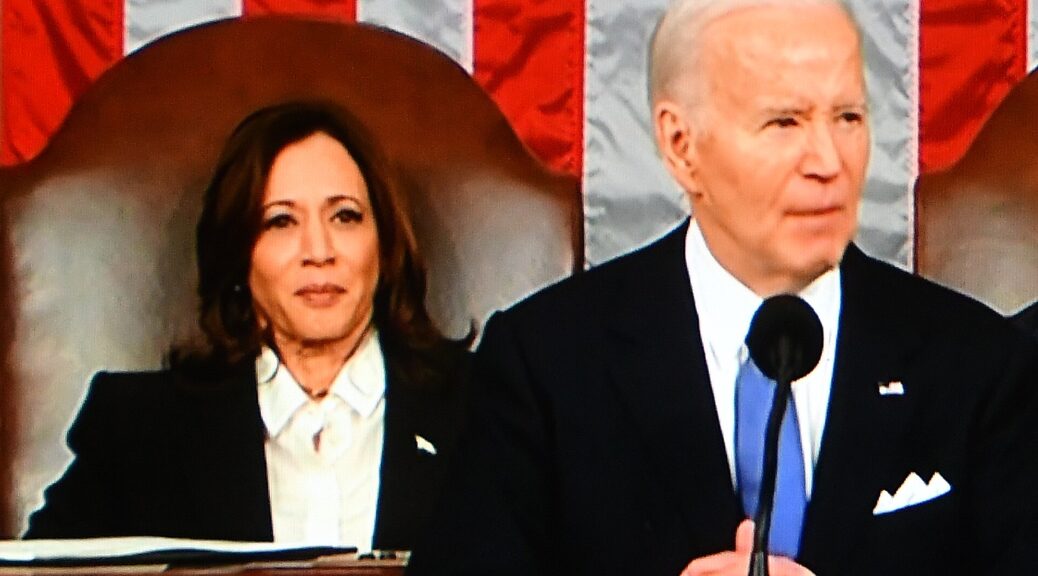
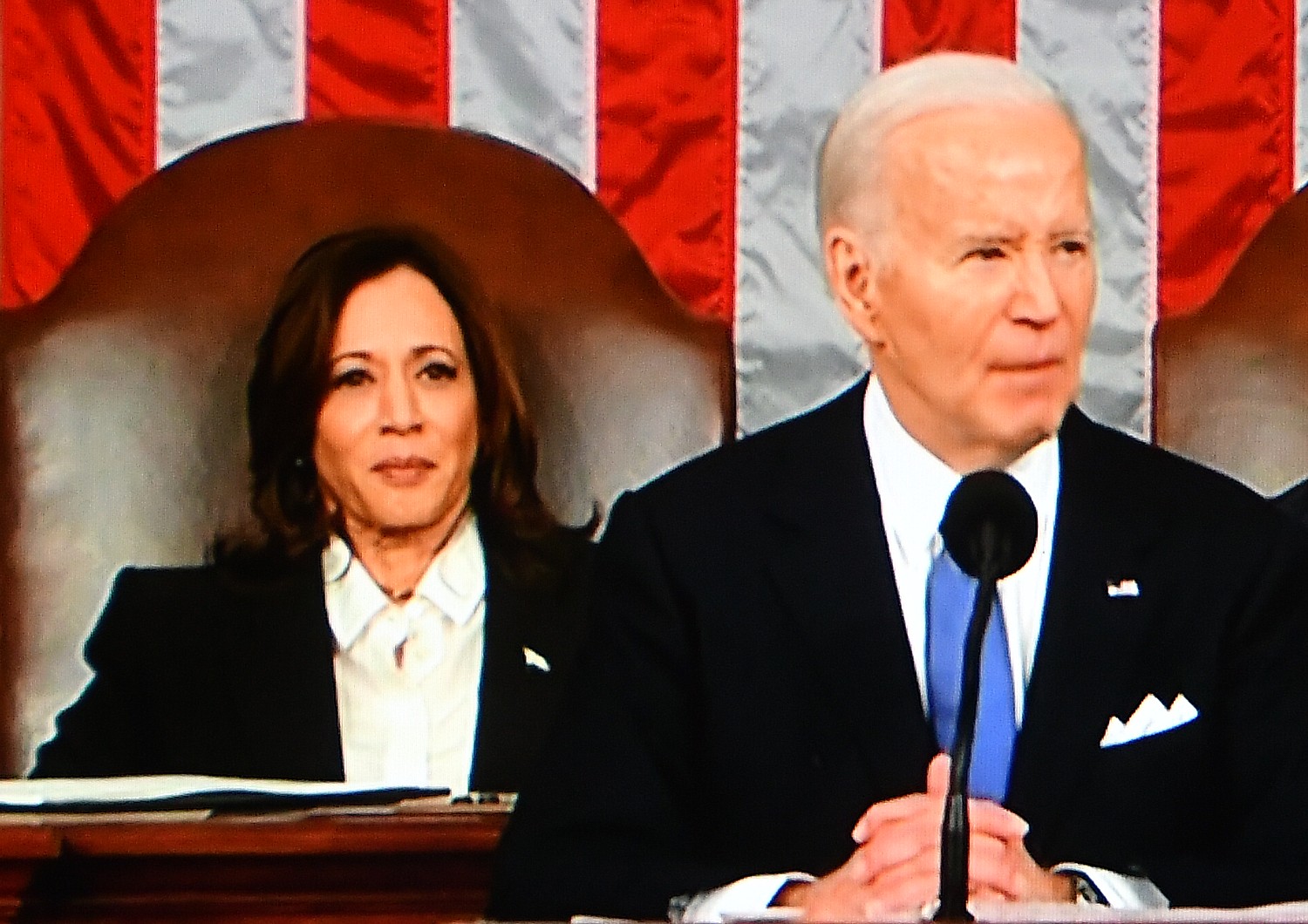
President Joe Biden marked the two-year anniversary of signing the PACT Act, the most significant expansion of benefits and health care for veterans exposed to toxins and their survivors in more than 30 years and the White House issued this fact sheet documenting how the act has delivered benefits to more than 1 million veterans and survivors in all 50 states and US territories.Notably, the brain cancer that killed Biden’s own son, Beau, likely was caused by Beau’s exposure to the burn pits in Iraq during his military service.
President Joe Biden marked the two-year anniversary of signing the PACT Act, the most significant expansion of benefits and health care for veterans exposed to toxins and their survivors in more than 30 years and the White House issued this fact sheet documenting how the act has delivered benefits to more than 1 million veterans and survivors in all 50 states and US territories.Notably, the brain cancer that killed Biden’s own son, Beau, likely was caused by Beau’s exposure to the burn pits in Iraq during his military service.
“As Americans, we have a sacred obligation to care for veterans and their families. We owe them a debt we can never fully repay. Two years ago, I signed the bipartisan Sergeant First Class Heath Robinson Honoring Our Promise to Address Comprehensive Toxins (PACT) Act enacting the most significant expansion of benefits and health care for toxic exposed veterans and their survivors in over thirty years.
“Vice President Harris and I moved swiftly in making sure this law was fully implemented as soon as possible, so veterans and their survivors would be able to get the expanded services they deserve. Today, because of the PACT Act, over 1 million veterans and more than 10,000 survivors are now getting monthly disability benefits related to toxic related illnesses. Over 5.7 million veterans have been screened for toxic exposure and over 333,000 toxic-exposed veterans have enrolled in VA health care. These benefits have been life-changing for so many families. For survivors of veterans who died from a toxic related illness, the PACT Act provides a pathway to benefits including monthly stipends, access to home loans and education benefits as well. Surviving veteran spouses with children could qualify for over $2,000 per month and funding toward college tuition.
“While we have made great strides in addressing military related toxic exposures, we still have work to do. My Administration continues to study other illnesses for presumptive status and to sign up more veterans for health care. And today, I am announcing that the Department of Veterans Affairs will take additional steps to close loopholes for certain veterans exposed to harmful toxins during their military service. No one should be left behind if they were exposed to toxins and are experiencing health related problems. My message to veterans, their families, caregivers and survivors is simple: Jill and I will always have your back.”
FACT SHEET: On Second Anniversary, President Biden’s Bipartisan PACT Act Delivers Benefits to More Than 1 Million Veterans and Survivors across all 50 States and U.S. Territories
Two years ago, President Biden signed the landmark bipartisan Sergeant First Class Heath Robinson Honoring our Promise to Address Comprehensive Toxics (PACT) Act into law, enacting the most significant expansion of benefits and services for toxic exposed veterans and their survivors in more than 30 years. Named in honor of Sergeant First Class Heath Robinson, a decorated combat medic who died from a rare form of lung cancer, this historic legislation is delivering timely benefits and services to veterans—across all generations—who have been impacted by toxic exposures while serving our country.
The Biden-Harris Administration believes our nation has a sacred obligation to properly prepare and equip the troops we send into harm’s way – and to care for them and their families when they return home. That includes making sure we address the visible and invisible injuries of war. Too often, military service can result in increased health risks for our veterans, and some injuries and illnesses like asthma, cancer, and others can take years to manifest. These realities can make it difficult for veterans and their survivors to establish a direct connection between their service and disabilities resulting from military environmental exposures such as burn pits – a necessary step to ensuring they receive the benefits they earned. The PACT Act eliminates these barriers and ensures veterans get the care and services they deserve. For survivors of veterans who died from a toxic related illness, the PACT Act provides a pathway to benefits including monthly stipends, access to home loans and education benefits as well. Surviving veteran spouses with children could qualify for over $2,000 per month and funding toward college tuition.
Thanks to the PACT Act the Biden-Harris Administration has helped veterans in every state and territory receive the services and care they deserve by:
Delivering benefits to veterans and their survivors: Since enactment of the PACT Act, VA has delivered new PACT Act related disability benefits to more than 1 million veterans and over 10,000 survivors of veterans who died of a toxic related illness. This amounts to more than $6.8 billion in earned PACT Act related benefits over the past two years. In total, VA has processed over 1.5 million PACT Act claims since August 10, 2022. Thanks in part to the PACT Act, VA is delivering benefits to veterans and their survivors at the fastest rate in history, processing more than 2 million total claims (both PACT and non-PACT Act combined) thus far in 2024 – an all-time record.
Delivering health care to veterans: Since Aug. 10, 2022, 739,421 veterans have enrolled in VA health care — a 33% increase over the previous two-year period. This includes more than 333,767 enrollees from the PACT Act population (Vietnam, Gulf War, and Post-9/11 veterans). This health care enrollment was made possible by the Biden-Harris administration to accelerate health care eligibility under the PACT Act, eliminating a phase-in period that would have prevented veterans from enrolling in VA care for several years.
Screening veterans for toxic exposures: Nearly 5.7 million veterans have received free screenings for toxic exposures from VA under the PACT Act – a critical step in catching and treating potentially life-threatening health conditions as early as possible.
Prioritizing veterans with cancer: As a part of President Biden’s Cancer Moonshot, VA has prioritized claims processing for veterans with cancer – delivering over $744 million in PACT Act benefits to veterans with cancer. VA also prioritizes claims for veterans with terminal illnesses and veterans experiencing homelessness.
Lowering burden of proof to help toxic exposed veterans. Nearly 16,000 veterans who supported operations in Afghanistan between 2001 and 2005 were stationed at Karshi-Khanabad (K2) in Uzbekistan where several contaminants that could lead to health problems were present in either the air, water, soil, or soil gas. VA plans to take steps to consider veterans who served in Uzbekistan as Persian Gulf Veterans so that any veteran who served at K2 and who experience undiagnosed illness and medically unexplained chronic multi-symptom illnesses can get the benefits they deserve. VA will also create new training materials for claims processors and examiners on the hazards identified at K2. These steps are intended to help lessen the burden on veterans who were stationed at K2 so that they can receive disability benefits. Additionally, because K2 Veterans are eligible for VA health care and benefits under the PACT act, VA is also reaching out to all veterans who served at K2 to encourage them to apply for health care and benefits today.
Releasing a new federal interagency strategy to address military toxic exposures and veteran health. The Office of Science and Technology released a bold plan that aims to provide the evidence for new exposure-related illnesses to enable veterans to get the health care and benefits they need and deserve. This will be achieved through coordinated interagency efforts to: understand toxic exposures during military service; establish the link between these toxic exposures and veteran illnesses; and identify tools and approaches to reduce toxic exposures and improve health screening for these exposure-related illnesses.
Sharpening research tools to drive continued improvements to veteran care. This month, VA launched a new streamlined Burn Pit Registry. The registry includes non-personally identifiable data on more than 4.7 million veterans and Service members which will drive research, advances in treatment efficacy, and policies to identify potential conditions for presumptive status under the PACT Act. The new registry will streamline reporting for veterans who are willing to share data, drastically increasing VA’s ability to pursue research-backed solutions in service of America’s veterans.
Protecting veterans, service members, and their families from predatory actors and fraud. In 2023, veterans, Service members, and their families reported $477M in losses to fraud. Last November, President Biden announced the Veteran, Service member, and Family-Fraud Evasion (VSAFE) Task Force to better protect veterans and their families against scams and fraud. Over the last year, the Task Force has worked to implement a “no wrong door” approach for veterans and Service members to access reporting tools and resources to combat fraud. Today, VSAFE is releasing several resources to support veterans, Service members, and their families when they experience fraud, scams, and predatory practices, including:
Launching a centralized website for support and reporting:VSAFE.gov is a fraud prevention, response, and reporting information hub. Information from across federal agencies can be accessed in one place, making it easy for veterans, Service members, and their families to find out more about different kinds of fraud, to get assistance, and to report.
Opening a centralized call line for veteran and Service member complaints: VSAFE established a single shared call line, 833-38V-SAFE, to aid in the “no wrong door” approach. Veterans, Service members, and their families and survivors can call one single number to get help with fraud, scam, and predatory practice related concerns. Depending on the kind of issue facing the caller, callers will be routed to the correct federal agency to address their specific concerns.
Creating common call center training materials to ensure that veterans and Service members are routed to the relevant agency no matter which federal agency they initially call: Even if individuals don’t utilize the centralized call line, all VSAFE agency fraud call centers have been trained to connect callers to the best agency to handle their report and get help. These coordinated responses are guided by joint reference materials utilized by agency representatives. This will cut down on any confusion, and get veterans, Service members, and their family members routed to the best support as effectively and efficiently as possible.
Formalizing partnerships to improve enforcement. VSAFE agencies are formalizing their partnerships both outside of and within the federal government. Recently, the Federal Communications Commission (FCC) leveraged these partnerships to issue a cease-and-desist letter against a voice service provider for transmitting illegal debt consolidation robocalls. The calls appeared to be a subset of a much broader campaign of similar debt consolidation robocalls, reaching an estimated number of over 78 million calls during a period of only 3 months. Thanks to this effort, veterans, Service members, and their families, will no longer be receiving these unwanted and unlawful calls.
These historic efforts to address military toxic exposures build on the Biden-Harris Administration’s recent work to support our nation’s veterans:
Ending veteran homelessness. No one should be homeless in this country, especially not those who served it. Last year, VA found permanent housing for over 46,000 veterans, expanded access to health care and legal assistance for homeless veterans and helped more than 145,000 veterans and their families retain their homes or otherwise avoid foreclosure. Yesterday, HUD expanded access to the HUD VASH program for veterans with service-connected disability benefits.
Securing jobs for our veterans. Roughly 200,000 Service members transition from the military each year and the Biden-Harris Administration is committed to providing them and their spouses the support they need to find good paying jobs. This includes helping connect veterans and their spouses to registered apprentice programs where they can transfer the skills they learned in the military. Last week, DOL-VETS released a new guide to connect veterans to good paying Cyber jobs.
Increasing VA’s capacity to serve veterans: Thanks to new PACT Act authorities, VA has been able to expand its workforce in order to serve veterans as quickly and effectively as possible. In total, both the Veterans Health Administration and the Veterans Benefits administration have achieved their highest growth rates in 20 years.
Removing barriers to mental health care. Thanks to the President’s leadership, VA has removed all cost-sharing for the first three behavioral health visits for veterans enrolled in VA health care, helping to ensure that all those in need can get the care they deserve. This builds on VA’s new policy allowing eligible veterans and certain former Service members in acute suicidal crisis to go to any VA or non-VA health care facility for no-cost emergency health care. Over 60,000 veterans and Service members have used this benefit since it launched in 2023. VA is doing everything it can, including expanding mental health screenings, increasing access to legal and financial support, and hiring more mental health professionals, to help veterans get the help they need. For veterans and family members who may be experiencing a crisis, the Veterans Crisis Line is available 24/7 by dialing 988 and then pressing 1.
Supporting veterans and caregivers. Last year, President Biden signed an Executive Order directing the VA to cut red tape and give veterans who need assistance at home more flexibility to pick their own caregivers. As part of those actions, VA also launched a pilot program, known as the Virtual Psychotherapy Program for Caregivers, to provide mental health counseling services to family caregivers caring for our nation’s heroes. The program successfully completed its pilot phase and is now a permanent program. Since October 2023, the program has provided over 4,937 psychotherapy sessions to family caregivers. And, last year, President Biden signed an Executive Order calling for the most comprehensive set of administrative actions in our nation’s history to support the economic security of military and veteran spouses, caregivers, and survivors.
If you are a veteran, visit www.va.gov/PACT or go to your local VA hospital to see if you are eligible for PACT Act benefits and services.
For a state-by-state breakdown of PACT Act data, click here.