With Trump doing everything he can to weaken cybersecurity defenses – actually dismantling the Cyber Safety Review Board (CSRB) and heavily downsizing key units within the Cybersecurity and Infrastructure Security Agency (CISA) and the FBI, cutting hundreds of personnel focused on election security and critical infrastructure protection – and then blaming Minnesota’s Governor Tom Walz for Iran’s cyberattack against eight states’ water infrastructure, New York State Governor Kathy Hochul just announced $9 million in cybersecurity grants to help protect 153 water systems statewide. – Karen Rubin, editor@news-photos-features.com
Governor Kathy Hochul today announced more than $9 million in grants awarded to 153 local government projects statewide through the Strengthening Essential Cybersecurity for Utilities and Resiliency Enhancements (SECURE) grant program. This funding will support communities in their efforts to bolster their cybersecurity posture against increasingly sophisticated and dangerous cyber threats while strengthening services that millions of New Yorkers rely on every day.
“New York is taking action to protect our critical water infrastructure from cyberattacks that could disrupt services and threaten public health and safety,” Governor Hochul said. “As we have seen with recent malicious cyberattacks on water systems across multiple states, these threats are real and escalating. These investments give local governments the tools they need to strengthen their defenses, safeguard essential services, and keep delivering safe, reliable water to New Yorkers.”
SECURE grants and no-cost technical assistance from the Environmental Facilities Corporation will help local governments implement the State’s new minimum cybersecurity standards for drinking water and sewer systems. The grants will fund local cybersecurity assessments and implementation, helping water systems build stronger, more secure operations.
This funding is in addition to Governor Hochul’s landmark five-year $3.75 billion clean water investment in the 2027 Enacted Budget, reflecting her comprehensive, whole-of-government approach to protecting and modernizing critical water infrastructure.
Water infrastructure is essential to public health, safety, economic stability, and national security, making it an attractive target for cyberattacks. As systems increasingly rely on digital and internet-connected technologies, the need for cybersecurity safeguards continues to grow.
Strengthening cybersecurity helps reduce the risk of a cyberattack that could disrupt utilities for residents and threaten the water supplies that drive local economies, industries and tourism.
The complete list of recipients and additional program information is available on EFC’s Cybersecurity Hub, where communities can access centralized training and resources and request a one-on-one consultation. The Community Assistance Teams are available to provide no-cost guidance and tools to help water and wastewater systems implement cybersecurity best practices.
New York State Acting Chief Cyber Officer Michaela Lee said, “The recent surge in cyberattacks targeting water systems nationwide is a stark reminder that the threats facing our critical infrastructure are growing, and so must our investments in defending it. Governor Hochul’s proactive $9 million in grants will empower local governments across New York to swiftly harden their defenses, build resilience, and secure the essential services that our communities rely on every day.”
Environmental Facilities Corporation President and CEO Maureen A. Coleman said, “Governor Hochul has made protecting New York’s critical infrastructure a priority, and these grants reflect that commitment by providing water systems with resources to mitigate their cybersecurity vulnerabilities before threats become disruptions. EFC is proud to support the Governor’s vision by helping communities assess risks, implement solutions, and build more resilient water infrastructure.”
Nation-Leading Investments
New York State continues to increase its nation-leading investments in water infrastructure, providing $3.8 billion in financial assistance for local projects in State Fiscal Year 2025 alone, including $1.1 billion in grants. Governor Hochul’s transformational $3.75 billion water infrastructure investment will bring total State grants to more than $10 billion since 2017.
Trump’s initiation of unprovoked war on Iran at the same time his FBI chief Kash Patel has purged the FBI of counter-terrorism experts and anyone who was connected with the investigations into the January 6 insurrection, Trump’s attempted overturning of the 2020 election, the deportation of undocumented migrants (instead of the Iranian terror cells Trump has acknowledged exist), and focus on Trump’s campaign of retribution against political enemies has left the United States exposed.
In just a matter of days, there were at least three terror attacks – the bomb at NYC’s Gracie Mansion, the attack on a Michigan synagogue and another attack that killed at soldier and wounded two others at Old Dominium University in Virginia by a man who had already been convicted, imprisoned and released for his ISIS activity, instead of being monitored (the government was too busy deporting landscapers, healthworkers and construction workers).
When asked about the possibility of Iran, which has specialized in terrorism, unleashing attacks, Trump casually responded, “I guess,” adding “people die in war.” The Trump administration dismantled the Cyber Safety Review Board (CSRB), cut staff at CISA, and fired top NSA/Cyber Command leadership.
And this being Trump administration which only cares about politics and not public service, the administration blocked the release of a five-page statement,“A Public Safety Awareness Report: Elevated threat in the United States during US-Iran conflict,” which detailed “elevated threats by the government of Iran to US military and government personnel and facilities, Jewish and Israeli institutions and their perceived supporters, and Iranian dissidents and other anti-regime activists in the United States.”The reportshould have been distributed to states and localities.
So it is up to the states and localities to step up. New York State Governor Kathy Hochul has heightened its security and intelligence activities. –Karen Rubin, editor@news-photos-features.com
Governor Kathy Hochul announced nation-leading cybersecurity regulations and $2.5 million in grants to help communities affordably protect their drinking water and wastewater systems. This comprehensive, unified approach equips drinking water and wastewater operators with the framework and tools to bolster their cybersecurity posture against increasingly sophisticated and dangerous cyber threats while strengthening services that millions of New Yorkers rely on every day.
“Cyber attacks on our water infrastructure can disrupt services and threaten public health and safety,” Governor Hochul said. “My administration is protecting New Yorkers by modernizing regulations and providing resources to adopt these important safeguards. There is nothing more important than keeping New Yorkers safe.”
Water infrastructure is essential to public health, safety, economic stability and national security, making it an attractive target for cyber attacks. As systems increasingly rely on digital and internet-connected technologies, the need for cybersecurity safeguards continues to grow.
Delivering on the Governor’s State of the State commitment to strengthen the resilience and reliability of water and wastewater systems, the Departments of Environmental Conservation (DEC) and Health (DOH) developed minimum standards for wastewater and drinking water systems that are threat-informed, risk-centric, and cost-balanced. At the same time, the Environmental Facilities Corporation (EFC) created grants and no-cost technical assistance to support local implementation. Close coordination helped streamline oversight, eliminate duplication and align with federal cybersecurity guidance from the U.S. Environmental Protection Agency and the Cybersecurity and Infrastructure Security Agency.
The new threat-informed, risk-centric, and cost-balanced minimum standards developed by DEC and DOH include:
Mandatory cybersecurity training for certified operators
Cybersecurity incident reporting requirements
Risk-based tiered standards to protect critical operations and sensitive information
Designation of a cybersecurity lead role at larger drinking water systems
To support implementation, Governor Hochul is launching the new $2.5 million Strengthening Essential Cybersecurity for Utilities and Resiliency Enhancements (SECURE) grant program, administered by EFC. Applications open today. Funding includes:
Up to $50,000 for cybersecurity assessments
Up to $100,000 to implement cybersecurity upgrades
EFC’s Community Assistance Teams are available to provide no-cost guidance and tools to help water and wastewater systems implement cybersecurity best practices. Communities can request one-on-one consultations, apply for the SECURE grant, and access centralized training and best practice resources on EFC’s Cybersecurity Hub.
New York State Director of Security and Intelligence Colin Ahern said, “In today’s threat environment, the security of our digital infrastructure is just as critical as the physical security of our reservoirs. Under Governor Hochul’s leadership, we are moving beyond reactive defense. By pairing nation-leading standards with the SECURE grant program, we are providing New York’s water sectors with the intelligence-driven framework and the muscle they need to preemptively harden our most vital systems against sophisticated global adversaries.”
New York State Acting Chief Cyber Officer Michaela Lee said, “Effective cybersecurity is not a one-time fix; it is a sustained partnership between the State and our local operators. Following the successful implementation of new standards for our financial and healthcare sectors, Governor Hochul is continuing her steady, sector-by-sector plan to fortify New York’s most critical infrastructure. By providing both the regulatory roadmap and the $2.5 million SECURE grant, we are ensuring that water and wastewater utilities have the guidance and resources they need to remain resilient in an increasingly digital world.”
“Governor Hochul’s nation-leading cybersecurity regulations reflect a steadfast commitment to protecting the health and safety of New Yorkers,” New York State Department of Health State Health Commissioner Dr. James McDonald said. “As drinking water infrastructure controls become increasingly digitized, safeguarding these systems is essential. These regulations strengthen our defenses, enhance monitoring and ensure public drinking water systems are prepared to respond quickly and effectively to potential incidents. We look forward to continuing our close collaboration with state and local partners to protect drinking water in New York State.”
New York State Environmental Facilities Corporation President and CEO Maureen A. Coleman said,“Thanks to Governor Hochul’s leadership, New York is pairing strong cybersecurity protections with meaningful support for local governments. EFC’s SECURE grant program and hands-on technical assistance will help communities implement these safeguards while keeping projects manageable and affordable.”
“Governor Hochul’s leadership is proactively enhancing cybersecurity across our water and wastewater systems to protect our environment and public health,” New York State Department of Environmental Conservation Commissioner Amanda Lefton said. “DEC is proud of the collaboration with State agency partners to help address cybersecurity threats and advance these critical water and wastewater infrastructure initiatives to safeguard communities.”
New York Conference of Mayors Executive Director Barbara Van Epps said,”Local governments operate the drinking water and wastewater systems that millions of New Yorkers rely on every day, and protecting those systems from cyber threats is a critical responsibility. Providing clear standards, financial support and technical assistance will help communities strengthen their defenses while maintaining the reliable services residents depend on. We thank Governor Hochul for prioritizing the security of this essential infrastructure.”
New York State Association of Counties Executive Director Stephen J. Acquario said,“Safe and reliable drinking water is essential to every community. As cyber threats grow more sophisticated, our water systems must be just as advanced in their defense. Additional cybersecurity grants give local water utilities the tools and technology they need to protect operations, ensure clean water delivery and keep our infrastructure secure. We thank Governor Hochul for her consistent leadership in water and wastewater safety and security.”
New York State Association of Towns Executive Director Christopher A. Koetzle said,”We congratulate Governor Hochul on her comprehensive approach to helping local governments across the state deal with the growing cybersecurity threats while also ensuring that our drinking water remains safe and available for all New Yorkers. This is an innovative and extensive approach to helping local governments protect their residents while also helping them maintain their critical frontline services.”
“Governor Hochul recognizes that cyber threat actors could target our public drinking and wastewater systems in an effort to inflict damage upon communities across our State, and, therefore, the highest level of security is necessary to protect our public utilities,” NYS Chief Information Officer and Director of the Office of Information Technology Services Dru Rai said. “These critical SECURE Act grant funding resources, along with new, nation-leading regulations, are exactly the steps we need to defend this vital infrastructure. At ITS, we are pleased to play an important role in implementing the Governor’s proactive, whole-of-government approach to cybersecurity. If it exists, we will protect it.”
New York State Police Superintendent Steven G. James said, “Law enforcement is constantly challenged to keep pace with the evolving online technologies exploited by criminals. As threats to cybersecurity and the health and safety of the public become more prominent, we are ramping up our efforts to protect the infrastructure of our drinking water and wastewater systems. Through the leadership and vision of Governor Hochul, we can cohesively safeguard an imperative element in New York State.”
New York State continues to increase its nation-leading investments in water infrastructure, providing $3.8 billion in financial assistance for local projects in State Fiscal Year 2025 alone, including $1.1 billion in grants. Governor Hochul set the national standard with a transformational $3.75 billion water infrastructure investment plan in the 2026 State of the State address, which would bring total State grants to more than $10 billion since 2017.
Improving the State’s Security
$38 million in state funding has been awarded to 17 counties and New York City to improve emergency communications for first responders, making New Yorkers safer. The Statewide Interoperable Communications Grant program supports local governments’ efforts to build and repair radio towers that allow them to communicate with other emergency responders during disasters and emergencies. Installing and maintaining these towers ensures that lines of communication continue to be clearly accessible in situations when they are needed the most.
Four New York public safety agencies involved with the security of the 2026 FIFA World Cup events received more than $17.2 million to protect against the threat of the illegal use of drones. The federal C-UAS Grant awards funding can be put toward the purchase of equipment and systems that help state and local agencies to detect, identify, track, monitor and/or mitigate unmanned aircraft systems that pose threats to public safety.
Six months ago, President Biden issued a landmark Executive Order to ensure that America leads the way in seizing the promise and managing the risks of artificial intelligence (AI). Since then, agencies all across government have taken vital steps to manage AI’s safety and security risks, protect Americans’ privacy, advance equity and civil rights, stand up for consumers and workers, promote innovation and competition, advance American leadership around the world, and more.
Federal agencies reported that they completed all of the 180-day actions in the E.O. on schedule, following their recent successes completing each 90-day, 120-day, and 150-day action on time. Agencies also progressed on other work tasked by the E.O. over longer timeframes.
Actions that agencies reported as complete include the following:
Managing Risks to Safety and Security: Over 180 days, the Executive Order directed agencies to address a broad range of AI’s safety and security risks, including risks related to dangerous biological materials, critical infrastructure, and software vulnerabilities. To mitigate these and other threats to safety, agencies have:
Established a framework for nucleic acid synthesis screening to help prevent the misuse of AI for engineering dangerous biological materials. This work complements in-depth study by the Department of Homeland Security (DHS), Department of Energy (DOE) and Office of Science and Technology Policy on AI’s potential to be misused for this purpose, as well as a DHS report that recommended mitigations for the misuse of AI to exacerbate chemical and biological threats. In parallel, the Department of Commerce has worked to engage the private sector to develop technical guidance to facilitate implementation. Starting 180 days after the framework is announced, agencies will require that grantees obtain synthetic nucleic acids from vendors that screen.
Released for public comment draft documents on managing generative AI risks, securely developing generative AI systems and dual-use foundation models, expanding international standards development in AI, and reducing the risks posed by AI-generated content. When finalized, these documents by the National Institute of Standards and Technology (NIST) will provide additional guidance that builds on NIST’s AI Risk Management Framework, which offered individuals, organizations, and society a framework to manage AI risks and has been widely adopted both in the U.S. and globally.
Developed the first AI safety and security guidelines for critical infrastructure owners and operators. These guidelines are informed by the completed work of nine agencies to assess AI risks across all sixteen critical infrastructure sectors.
Launched the AI Safety and Security Board to advise the Secretary of Homeland Security, the critical infrastructure community, other private sector stakeholders, and the broader public on the safe and secure development and deployment of AI technology in our nation’s critical infrastructure. The Board’s 22 inaugural members include representatives from a range of sectors, including software and hardware company executives, critical infrastructure operators, public officials, the civil rights community, and academia.
Piloted new AI tools for identifying vulnerabilities in vital government software systems. The Department of Defense (DoD) made progress on a pilot for AI that can find and address vulnerabilities in software used for national security and military purposes. Complementary to DoD’s efforts, DHS piloted different tools to identify and close vulnerabilities in other critical government software systems that Americans rely on every hour of every day.
Standing up for Workers, Consumers, and Civil Rights The Executive Order directed bold steps to mitigate other risks from AI—including risks to workers, to consumers, and to Americans’ civil rights—and ensure that AI’s development and deployment benefits all American. Agencies reported that they have:
Developed bedrock principles and practices for employers and developers to build and deploy AI safely and in ways that empower workers. Agencies all across government are now starting work to establish these practices as requirements, where appropriate and authorized by law, for employers that receive federal funding.
Released guidance to assist federal contractors and employers comply with worker protection laws as they deploy AI in the workplace. The Department of Labor (DOL) developed a guide for federal contractors and subcontractors to answer questions and share promising practices to clarify federal contractors’ legal obligations, promote equal employment opportunity, and mitigate the potentially harmful impacts of AI in employment decisions. DOL also provided guidance regarding the application of the Fair Labor Standards Act and other federal labor standards as employers increasingly use of AI and other automated technologies in the workplace.
Released resources for job seekers, workers, and tech vendors and creators on how AI use could violate employment discrimination laws. The Equal Employment Opportunity Commission’s resources clarify that existing laws apply the use of AI and other new technologies in employment just as they apply to other employment practices.
Issued guidance on AI’s nondiscriminatory use in the housing sector. In two guidance documents, the Department of Housing and Urban Development affirmed that existing prohibitions against discrimination apply to AI’s use for tenant screening and advertisement of housing opportunities, and it explained how deployers of AI tools can comply with these obligations.
Published guidance and principles that set guardrails for the responsible and equitable use of AI in administering public benefits programs. The Department of Agriculture’s guidance explains how State, local, Tribal, and territorial governments should manage risks for uses of AI and automated systems in benefits programs such as SNAP. The Department of Health and Human Services (HHS) released a plan with guidelines on similar topics for benefits programs it oversees. Both agencies’ documents prescribe actions that align with the Office of Management and Budget’s policies, published last month, for federal agencies to manage risks in their own use of AI and harness AI’s benefits.
Announced a final rule clarifying that nondiscrimination requirements in health programs and activities continue to apply to the use of AI, clinical algorithms, predictive analytics, and other tools. Specifically, the rule applies the nondiscrimination principles under Section 1557 of the Affordable Care Act to the use of patient care decision support tools in clinical care, and it requires those covered by the rule to take steps to identify and mitigate discrimination when they use AI and other forms of decision support tools for care.
Developed a strategy for ensuring the safety and effectiveness of AI deployed in the health care sector. The strategy outlines rigorous frameworks for AI testing and evaluation, and it outlines future actions for HHS to promote responsible AI development and deployment.
Harnessing AI for Good President Biden’s Executive Order also directed work to seize AI’s enormous promise, including by advancing AI’s use for scientific research, deepening collaboration with the private sector, and piloting uses of AI. Over the past 180 days, agencies have done the following:
Announced DOE funding opportunities to support the application of AI for science, including energy-efficient AI algorithms and hardware.
Prepared convenings for the next several months with utilities, clean energy developers, data center owners and operators, and regulators in localities experiencing large load growth. DOE announced new actions to assess the potential energy opportunities and challenges of AI, accelerate deployment of clean energy, and advance AI innovation to manage the growing energy demand of AI.
Launched pilots, partnerships, and new AI tools to address energy challenges and advance clean energy. For example, DOE is piloting AI tools to streamline permitting processes and improving siting for clean energy infrastructure, and it has developed other powerful AI tools with applications at the intersection of energy, science, and security. DOE also published a report outlining opportunities AI brings to advance the clean energy economy and modernize the electric grid.
Initiated a sustained effort to analyze the potential risks that deployment of AI may pose to the grid. DOE has started the process of convening energy stakeholders and technical experts over the coming months to collaboratively assess potential risks to the grid, as well as ways in which AI could potentially strengthen grid resilience and our ability to respond to threats—building off a new public assessment.
Authored a report on AI’s role in advancing scientific research to help tackle major societal challenges, written by the President’s Council of Advisors on Science and Technology.
Bringing AI Talent into Government The AI and Tech Talent Task Force has made substantial progress on hiring through the AI Talent Surge. Since President Biden signed the E.O., federal agencies have hired over 150 AI and AI-enabling professionals and, along with the tech talent programs, are on track to hire hundreds by Summer 2024. Individuals hired thus far are already working on critical AI missions, such as informing efforts to use AI for permitting, advising on AI investments across the federal government, and writing policy for the use of AI in government.
The General Services Administration has onboarded a new cohort of Presidential Innovation Fellows (PIF) and also announced their first-ever PIF AI cohort starting this summer.
DHS has launched the DHS AI Corps, which will hire 50 AI professionals to build safe, responsible, and trustworthy AI to improve service delivery and homeland security.
The Office of Personnel Management has issued guidance on skills-based hiring to increase access to federal AI roles for individuals with non-traditional academic backgrounds.
This fact sheet detailing President Biden’s Executive Order on Safe, Secure and Trustworthy Artificial Intelligence was provided by the White House:
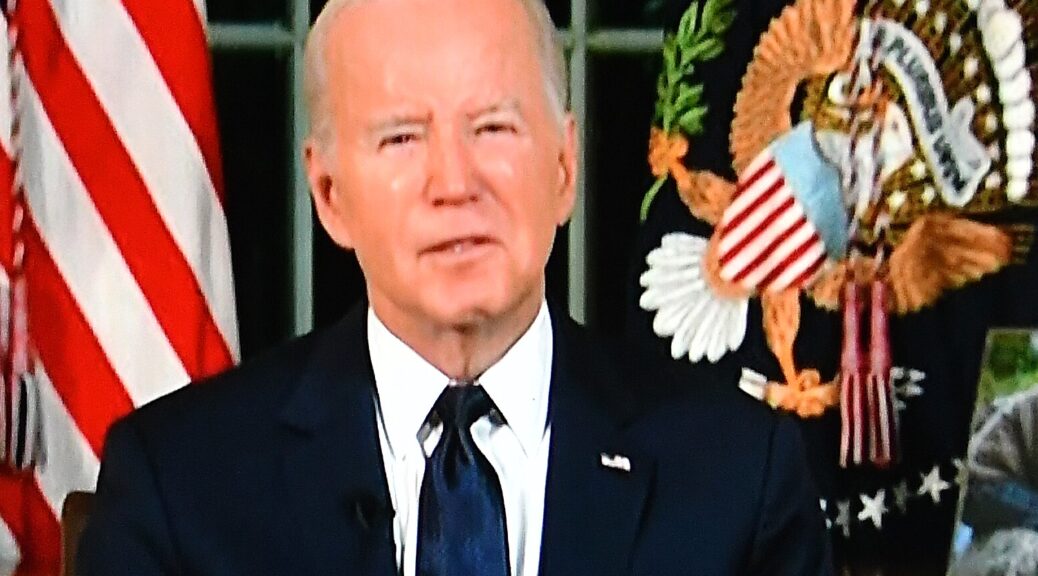
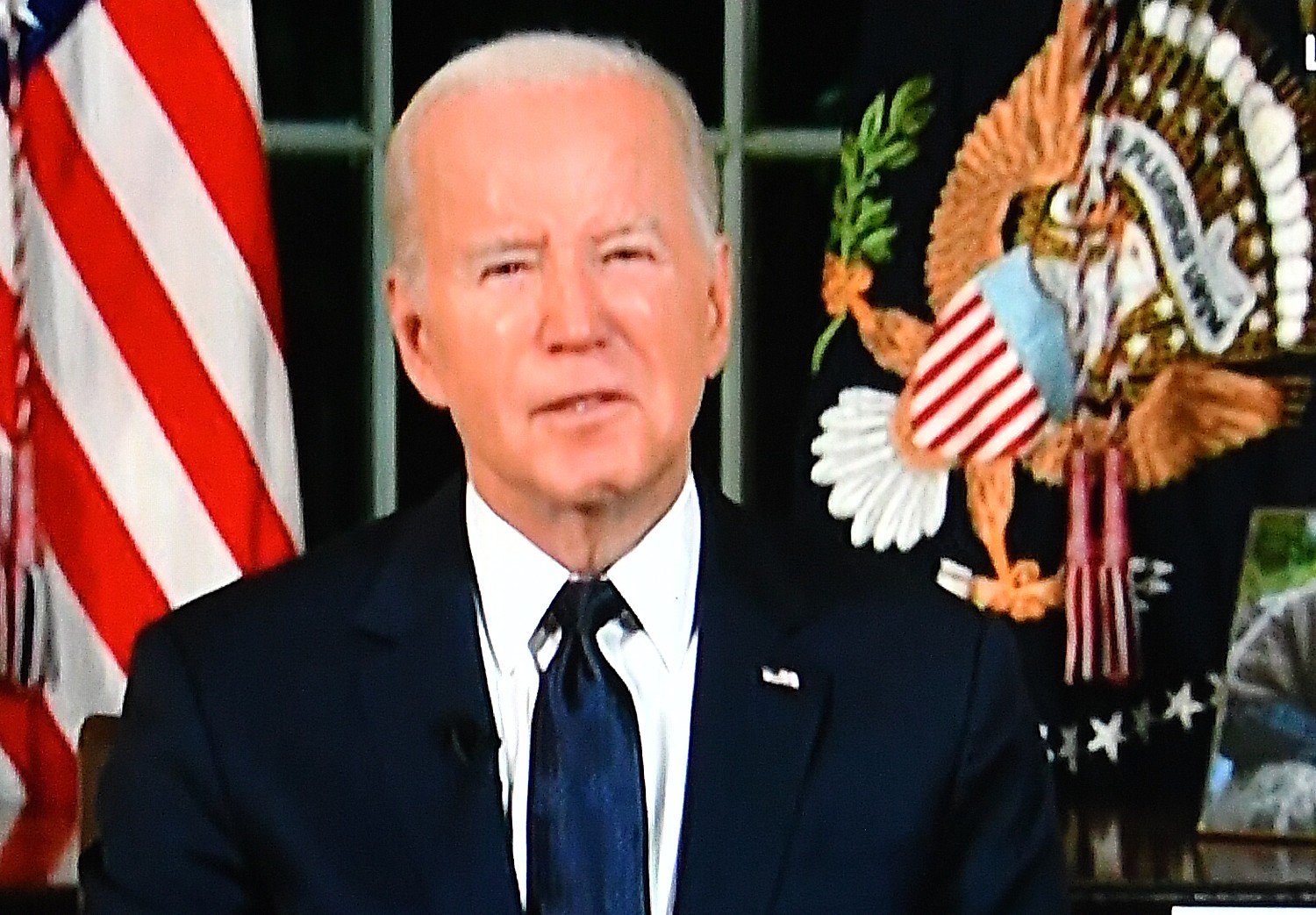
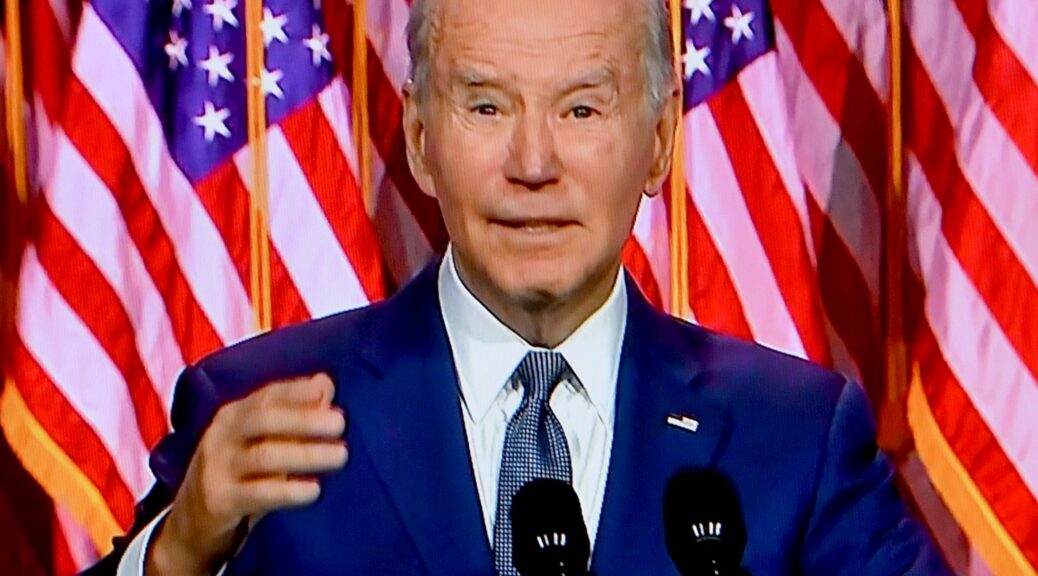
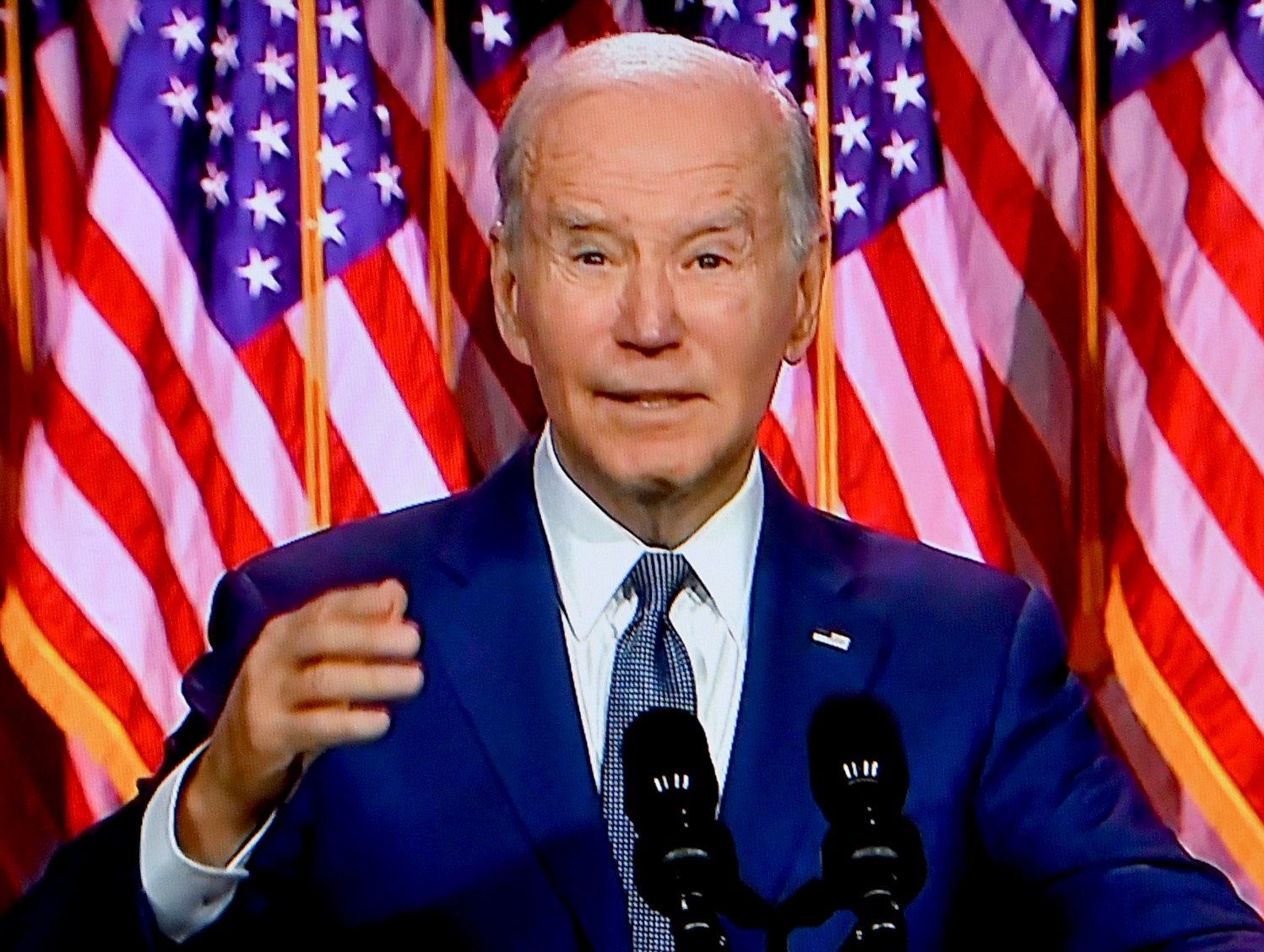
President Biden issued a landmark Executive Order to ensure that America leads the way in seizing the promise and managing the risks of artificial intelligence (AI). The Executive Order establishes new standards for AI safety and security, protects Americans’ privacy, advances equity and civil rights, stands up for consumers and workers, promotes innovation and competition and advances American leadership around the world. (Karen Rubin/news-photos-features.com via c-span)
Today, President Biden issued a landmark Executive Order to ensure that America leads the way in seizing the promise and managing the risks of artificial intelligence (AI). The Executive Order establishes new standards for AI safety and security, protects Americans’ privacy, advances equity and civil rights, stands up for consumers and workers, promotes innovation and competition, advances American leadership around the world, and more.
As part of the Biden-Harris Administration’s comprehensive strategy for responsible innovation, the Executive Order builds on previous actions the President has taken, including work that led to voluntary commitments from 15 leading companies to drive safe, secure, and trustworthy development of AI.
“President Biden is rolling out the strongest set of actions any government in the world has ever taken on AI safety, security, and trust. It’s the next step in an aggressive strategy to do everything on all fronts to harness the benefits of AI and mitigate the risks,” stated White House Deputy Chief of Staff Bruce Reed.
The Executive Order directs the following actions:
New Standards for AI Safety and Security
As AI’s capabilities grow, so do its implications for Americans’ safety and security. With this Executive Order, the President directs the most sweeping actions ever taken to protect Americans from the potential risks of AI systems:
Require that developers of the most powerful AI systems share their safety test results and other critical information with the U.S. government. In accordance with the Defense Production Act, the Order will require that companies developing any foundation model that poses a serious risk to national security, national economic security, or national public health and safety must notify the federal government when training the model, and must share the results of all red-team safety tests. These measures will ensure AI systems are safe, secure, and trustworthy before companies make them public.
Develop standards, tools, and tests to help ensure that AI systems are safe, secure, and trustworthy. The National Institute of Standards and Technology will set the rigorous standards for extensive red-team testing to ensure safety before public release. The Department of Homeland Security will apply those standards to critical infrastructure sectors and establish the AI Safety and Security Board. The Departments of Energy and Homeland Security will also address AI systems’ threats to critical infrastructure, as well as chemical, biological, radiological, nuclear, and cybersecurity risks. Together, these are the most significant actions ever taken by any government to advance the field of AI safety.
by developing strong new standards for biological synthesis screening. Agencies that fund life-science projects will establish these standards as a condition of federal funding, creating powerful incentives to ensure appropriate screening and manage risks potentially made worse by AI.
Protect Americans from AI-enabled fraud and deception by establishing standards and best practices for detecting AI-generated content and authenticating official content. The Department of Commerce will develop guidance for content authentication and watermarking to clearly label AI-generated content. Federal agencies will use these tools to make it easy for Americans to know that the communications they receive from their government are authentic—and set an example for the private sector and governments around the world.
Establish an advanced cybersecurity program to develop AI tools to find and fix vulnerabilities in critical software, building on the Biden-Harris Administration’s ongoing AI Cyber Challenge. Together, these efforts will harness AI’s potentially game-changing cyber capabilities to make software and networks more secure.
Order the development of a National Security Memorandum that directs further actions on AI and security, to be developed by the National Security Council and White House Chief of Staff. This document will ensure that the United States military and intelligence community use AI safely, ethically, and effectively in their mission, and will direct actions to counter adversaries’ military use of AI.
Protecting Americans’ Privacy
Without safeguards, AI can put Americans’ privacy further at risk. AI not only makes it easier to extract, identify, and exploit personal data, but it also heightens incentives to do so because companies use data to train AI systems. To better protect Americans’ privacy, including from the risks posed by AI, the President calls on Congress to pass bipartisan data privacy legislation to protect all Americans, especially kids, and directs the following actions:
Protect Americans’ privacy by prioritizing federal support for accelerating the development and use of privacy-preserving techniques—including ones that use cutting-edge AI and that let AI systems be trained while preserving the privacy of the training data.
Strengthen privacy-preserving researchand technologies, such as cryptographic tools that preserve individuals’ privacy, by funding a Research Coordination Network to advance rapid breakthroughs and development. The National Science Foundation will also work with this network to promote the adoption of leading-edge privacy-preserving technologies by federal agencies.
Evaluate how agencies collect and use commercially available information—including information they procure from data brokers—and strengthen privacy guidance for federal agencies to account for AI risks. This work will focus in particular on commercially available information containing personally identifiable data.
Develop guidelines for federal agencies to evaluate the effectiveness of privacy-preserving techniques, including those used in AI systems.These guidelines will advance agency efforts to protect Americans’ data.
Advancing Equity and Civil Rights
Irresponsible uses of AI can lead to and deepen discrimination, bias, and other abuses in justice, healthcare, and housing. The Biden-Harris Administration has already taken action by publishing the Blueprint for an AI Bill of Rights and issuing an Executive Order directing agencies to combat algorithmic discrimination, while enforcing existing authorities to protect people’s rights and safety. To ensure that AI advances equity and civil rights, the President directs the following additional actions:
Provide clear guidance to landlords, Federal benefits programs, and federal contractors to keep AI algorithms from being used to exacerbate discrimination.
Address algorithmic discrimination through training, technical assistance, and coordination between the Department of Justice and Federal civil rights offices on best practices for investigating and prosecuting civil rights violations related to AI.
Ensure fairness throughout the criminal justice system by developing best practices on the use of AI in sentencing, parole and probation, pretrial release and detention, risk assessments, surveillance, crime forecasting and predictive policing, and forensic analysis.
Standing Up for Consumers, Patients, and Students
AI can bring real benefits to consumers—for example, by making products better, cheaper, and more widely available. But AI also raises the risk of injuring, misleading, or otherwise harming Americans. To protect consumers while ensuring that AI can make Americans better off, the President directs the following actions:
Advance the responsible use of AI in healthcare and the development of affordable and life-saving drugs. The Department of Health and Human Services will also establish a safety program to receive reports of—and act to remedy – harmsor unsafe healthcare practices involving AI.
Shape AI’s potential to transform education by creating resources to support educators deploying AI-enabled educational tools, such as personalized tutoring in schools.
Supporting Workers
AI is changing America’s jobs and workplaces, offering both the promise of improved productivity but also the dangers of increased workplace surveillance, bias, and job displacement. To mitigate these risks, support workers’ ability to bargain collectively, and invest in workforce training and development that is accessible to all, the President directs the following actions:
Produce a report on AI’s potential labor-market impacts, and study and identify options for strengthening federal support for workers facing labor disruptions, including from AI.
Promoting Innovation and Competition
America already leads in AI innovation—more AI startups raised first-time capital in the United States last year than in the next seven countries combined. The Executive Order ensures that we continue to lead the way in innovation and competition through the following actions:
Catalyze AI research across the United States through a pilot of the National AI Research Resource—a tool that will provide AI researchers and students access to key AI resources and data—and expanded grants for AI research in vital areas like healthcare and climate change.
Promote a fair, open, and competitive AI ecosystem by providing small developers and entrepreneurs access to technical assistance and resources, helping small businesses commercialize AI breakthroughs, and encouraging the Federal Trade Commission to exercise its authorities.
Use existing authorities to expand the ability of highly skilled immigrants and nonimmigrants with expertise in critical areas to study, stay, and work in the United States by modernizing and streamlining visa criteria, interviews, and reviews.
Advancing American Leadership Abroad
AI’s challenges and opportunities are global. The Biden-Harris Administration will continue working with other nations to support safe, secure, and trustworthy deployment and use of AI worldwide. To that end, the President directs the following actions:
Expand bilateral, multilateral, and multistakeholder engagements to collaborate on AI. The State Department in collaboration with the Commerce Department will lead an effort to establish robust international frameworks for harnessing AI’s benefits and managing its risks and ensuring safety. In addition, this week, Vice President Harris will speak at the UK Summit on AI Safety, hosted by Prime Minister Rishi Sunak.
Accelerate development and implementation of vital AI standards with international partners and in standards organizations, ensuring that the technology is safe, secure, trustworthy, and interoperable.
Promote the safe, responsible, and rights-affirming development and deployment of AI abroad to solve global challenges, such as advancing sustainable development and mitigating dangers to critical infrastructure.
Ensuring Responsible and Effective Government Use of AI
AI can help government deliver better results for the American people. It can expand agencies’ capacity to regulate, govern, and disburse benefits, and it can cut costs and enhance the security of government systems. However, use of AI can pose risks, such as discrimination and unsafe decisions. To ensure the responsible government deployment of AI and modernize federal AI infrastructure, the President directs the following actions:
Issue guidance for agencies’ use of AI, includingclear standards to protect rights and safety, improve AI procurement, and strengthen AI deployment.
Help agencies acquire specified AI products and services faster, more cheaply, and more effectively through more rapid and efficient contracting.
Accelerate the rapid hiring of AI professionals as part of a government-wide AI talent surge led by the Office of Personnel Management, U.S. Digital Service, U.S. Digital Corps, and Presidential Innovation Fellowship. Agencies will provide AI training for employees at all levels in relevant fields.
As we advance this agenda at home, the Administration will work with allies and partners abroad on a strong international framework to govern the development and use of AI. The Administration has already consulted widely on AI governance frameworks over the past several months—engaging with Australia, Brazil, Canada, Chile, the European Union, France, Germany, India, Israel, Italy, Japan, Kenya, Mexico, the Netherlands, New Zealand, Nigeria, the Philippines, Singapore, South Korea, the UAE, and the UK. The actions taken today support and complement Japan’s leadership of the G-7 Hiroshima Process, the UK Summit on AI Safety, India’s leadership as Chair of the Global Partnership on AI, and ongoing discussions at the United Nations.
The actions that President Biden directed today are vital steps forward in the U.S.’s approach on safe, secure, and trustworthy AI. More action will be required, and the Administration will continue to work with Congress to pursue bipartisan legislation to help America lead the way in responsible innovation.
For more on the Biden-Harris Administration’s work to advance AI, and for opportunities to join the Federal AI workforce, visit AI.gov.
Biden-Harris Administration announces new actions and private commitments to bolster the nation’s cyber defense at schools and protect American families
Administration leaders, school administrators, educators, and education technology providers will convene at the White House to discuss how to strengthen the nation’s schools’ cybersecurity amidst growing ransomware attacks
The United States has experienced an increase in cyberattacks that have targeted the nation’s schools in recent years. In the 2022-23 academic year alone, at least eight K-12 school districts throughout the country were impacted by significant cyberattacks – four of which left schools having to cancel classes or close completely. Not only have these attacks disrupted school operations, but they also have impacted students, their families, teachers, and administrators. Sensitive personal information – including, student grades, medical records, documented home issues, behavioral information, and financial information – of students and employees were stolen and publicly disclosed. Additionally, sensitive information about school security systems was leaked online as a result of these attacks.
Secretary of Education Miguel Cardona and Secretary of Homeland Security Alejandro Mayorkas, joined First Lady Jill Biden, to convene school administrators, educators and private sector companies to discuss best practices and new resources available to strengthen our schools’ cybersecurity, protect American families and schools, and prevent cyberattacks from disrupting our classrooms.
According to a 2022 U.S. Government Accountability Office report, the loss of learning following a cyberattack ranged from three days to three weeks, and recovery time can take anywhere from two to nine months. Further, the monetary losses to school districts following a cyber incident ranged from $50,000 to $1 million. That is why the Biden-Harris Administration has had a relentless focus on securing our nation’s critical infrastructure since day one, and continues to work tirelessly to provide resources that enable the U.S.’s more than 13,000 school districts to better protect and defend their students and employees against cyberattacks.
The Administration is taking additional action and committing resources to strengthen the cybersecurity of the nation’s K-12 school systems, including:
The U.S. Department of Education will establish a Government Coordinating Council (GCC) that will coordinate activities, policy, and communications between, and amongst, federal, state, local, tribal, and territorial education leaders to strengthen the cyber defenses and resilience of K-12 schools. By facilitating formal, ongoing collaboration between all levels of government and the education sector, the GCC will be a key first step in the Department’s strategy to protect schools and districts from cybersecurity threats and for supporting districts in preparing for, responding to, and recovering from cybersecurity attacks.
CISA is committing to providing tailored assessments, facilitating exercises, and delivering cybersecurity training for 300 new K-12 entities over the coming school year. CISA plans to conduct 12 K-12 cyber exercises this year, averaging one per month, and is currently soliciting exercise requests from government and critical infrastructure partners, including the K-12 community.
The Federal Bureau of Investigation (FBI) and the National Guard Bureau are releasing updated resource guides to ensure state government and education officials know how to report cybersecurity incidents and can leverage the federal government’s cyber defense capabilities.
Additionally, several education technology providers are committing to providing free and low-cost resources to school districts, including:
Amazon Web Services (AWS) is committing the following: $20 million for a K-12 cyber grant program available to all school districts and state departments of education; free security training offerings tailored to K-12 IT staff delivered through AWS Skill Builder; and no-cost cyber incident response assistance through its Customer Incident Response Team in the event a school district experiences a cyberattack. AWS will also provide free well-architected security reviews to U.S. education technology companies providing mission-critical applications to the K-12 community.
Cloudflare, through its Project Cybersafe Schools, will offer a suite of free Zero Trust cybersecurity solutions to public school districts under 2,500 students, to give small school districts faster, safer Internet browsing and email security.
PowerSchool, a provider of cloud-based K-12 software in the United States for 80% of school districts, will provide new free and subsidized “security as a service” courses, training, tools and resources to all U.S. schools and districts.
Google released an updated “K-12 Cybersecurity Guidebook” for schools on the most effective and impactful steps education systems can take to ensure the security of their Google hardware and software applications.
D2L, a learning platform company, is committing to: providing access to new cybersecurity courses in collaboration with trusted third-parties; extending its information security review for the core D2L integration partners; and pursuing additional third-party validation of D2L compliance with security standards.
The commitments made today will help ensure the nation’s schools are in the best position to secure their networks to keep their students, educators, and employees safe. This is the latest example of President Biden’s commitment to ease the everyday concerns facing Americans – from strengthening confidence in the safety of the devices brought into homes and classrooms to securing the cyber infrastructure of our nation’s schools.
Several leading AI companies – Anthropic, Google, Microsoft, and OpenAI – to partner with DARPA in major competition to make software more secure
The Biden-Harris Administration has launched a major two-year competition that will use artificial intelligence (AI) to protect the United States’ most important software, such as code that helps run the internet and our critical infrastructure. The “AI Cyber Challenge” (AIxCC) will challenge competitors across the United States, to identify and fix software vulnerabilities using AI. Led by the Defense Advanced Research Projects Agency (DARPA), this competition will include collaboration with several top AI companies – Anthropic, Google, Microsoft, and OpenAI – who are lending their expertise and making their cutting-edge technology available for this challenge. This competition, which will feature almost $20 million in prizes, will drive the creation of new technologies to rapidly improve the security of computer code, one of cybersecurity’s most pressing challenges. It marks the latest step by the Biden-Harris Administration to ensure the responsible advancement of emerging technologies and protect Americans.
The Biden-Harris Administration announced AIxCC at the Black Hat USA Conference in Las Vegas, Nevada, the nation’s largest hacking conference, which for decades has produced many cybersecurity innovations. By finding and fixing vulnerabilities in an automated and scalable way, AIxCC fits into this tradition. It will demonstrate the potential benefits of AI to help secure software used across the internet and throughout society, from the electric grids that power America to the transportation systems that drive daily life.
DARPA will host an open competition in which the competitor that best secures vital software will win millions of dollars in prizes. AI companies will make their cutting-edge technology—some of the most powerful AI systems in the world—available for competitors to use in designing new cybersecurity solutions. To ensure broad participation and a level playing field for AIxCC, DARPA will also make available $7 million to small businesses who want to compete.
Teams will participate in a qualifying event in Spring 2024, where the top scoring teams (up to 20) will be invited to participate in the semifinal competition at DEF CON 2024, one of the world’s top cybersecurity conferences. Of these, the top scoring teams (up to five) will receive monetary prizes and continue to the final phase of the competition, to be held at DEF CON 2025. The top three scoring competitors in the final competition will receive additional monetary prizes.
The top competitors will make a meaningful difference in cybersecurity for America and the world. The Open Source Security Foundation (OpenSSF), a project of the Linux Foundation, will serve as a challenge advisor. It will also help ensure that the winning software code is put to use right away protecting America’s most vital software and keeping the American people safe.
Today’s announcement is part of a broader commitment by the Biden-Harris Administration to ensure that the power of AI is harnessed to address the nation’s great challenges, and that AI is developed safely and responsibly to protect Americans from harm and discrimination. Last month, the Biden-Harris Administration announced it had secured voluntary commitments from seven leading AI companies to manage the risks posed by the technology. Earlier this year, the Administration announced a commitment from several AI companies to participate in an independent, public evaluation of large language models (LLMs)—consistent with responsible disclosure principles—at DEF CON 2023. This exercise, which starts later this week and is the first-ever public assessment of multiple LLMs, will help advance safer, more secure and more transparent AI development.
In addition, the Biden-Harris Administration is currently developing an executive order and will pursue bipartisan legislation to help America lead the way in responsible AI innovation.
President Biden has made clear that all Americans deserve the full benefits and potential of our digital future. The Biden-Harris Administration’s recently released National Cybersecurity Strategy calls for two fundamental shifts in how the United States allocates roles, responsibilities, and resources in cyberspace.
While Donald Trump runs to take back the presidency in order to save himself from prison and continue to enrich himself off the office ($1.6 billion 2017-2021), President Joe Biden continues to actually get things done for the American people, and all fronts: growing the economy, adding jobs, increasing wages and income, increasing financial security, and protecting the country from enemies foreign and domestic, including the threats from cyberattacks and unregulated Artificial Intelligence. But the noise and tumult over Trump’s unprecedented criminal prosecutions and the Republicans who are enabling him, are drowning out any notice of what Biden is accomplishing. Here is a fact sheet on the Biden-Harris administration’s National Cybersecurity Strategy Implementation Plan—Karen Rubin/news-photos-features.com
President Biden has made clear that all Americans deserve the full benefits and potential of our digital future. The Biden-Harris Administration’s recently released National Cybersecurity Strategy calls for two fundamental shifts in how the United States allocates roles, responsibilities, and resources in cyberspace:
Ensuring that the biggest, most capable, and best-positioned entities – in the public and private sectors – assume a greater share of the burden for mitigating cyber risk
Increasing incentives to favor long-term investments into cybersecurity
The Administration is announcing a roadmap to realize this bold, affirmative vision. It is taking the novel step of publishing the National Cybersecurity Strategy Implementation Plan (NCSIP) to ensure transparency and a continued path for coordination. This plan details more than 65 high-impact Federal initiatives, from protecting American jobs by combatting cybercrimes to building a skilled cyber workforce equipped to excel in our increasingly digital economy. The NCSIP, along with the Bipartisan Infrastructure Law, CHIPS and Science Act, Inflation Reduction Act, and other major Administration initiatives, will protect our investments in rebuilding America’s infrastructure, developing our clean energy sector, and re-shoring America’s technology and manufacturing base.
Eighteen agencies are leading initiatives in this whole-of-government plan demonstrating the Administration’s deep commitment to a more resilient, equitable, and defensible cyberspace. The Office of the National Cyber Director (ONCD) will coordinate activities under the plan, including an annual report to the President and Congress on the status of implementation, and partner with the Office of Management and Budget (OMB) to ensure funding proposals in the President’s Budget Request are aligned with NCSIP initiatives. The Administration looks forward to implementing this plan in continued collaboration with the private sector, civil society, international partners, Congress, and state, local, Tribal, and territorial governments. As an example of the Administration’s commitment to public-private collaboration, ONCD is also working on a request for information regarding cybersecurity regulatory harmonization that will be published in the near future. The
NCSIP is not intended to capture all Federal agency activities in support of the NCS. The following are sample initiatives from the plan, which is organized by the NCS pillars and strategic objectives.
Pillar One | Defending Critical Infrastructure
Update the National Cyber Incident Response Plan (1.4.1): During a cyber incident, it is critical that the government acts in a coordinated manner and that private sector and SLTT partners know how to get help. The Cybersecurity and Infrastructure Security Agency (CISA) will lead a process to update the National Cyber Incident Response Plan to more fully realize the policy that “a call to one is a call to all.” The update will also include clear guidance to external partners on the roles and capabilities of Federal agencies in incident response and recovery.
Pillar Two | Disrupting and Dismantling Threat Actors
Combat Ransomware (2.5.2 and 2.5.4): Through the Joint Ransomware Task Force, which is co-chaired by CISA and the FBI, the Administration will continue its campaign to combat the scourge of ransomware and other cybercrime. The FBI will work with Federal, international, and private sector partners to carry out disruption operations against the ransomware ecosystem, including virtual asset providers that enable laundering of ransomware proceeds and web fora offering initial access credentials or other material support for ransomware activities. A complementary initiative, led by CISA, will include offering resources such as training, cybersecurity services, technical assessments, pre-attack planning, and incident response to high-risk targets of ransomware, like hospitals and schools, to make them less likely to be affected and to reduce the scale and duration of impacts if they are attacked.
Pillar Three | Shaping Market Forces and Driving Security and Resilience
Software Bill of Materials (3.3.2): Increasing software transparency allows market actors to better understand their supply chain risk and to hold their vendors accountable for secure development practices. CISA continues to lead work with key stakeholders to identify and reduce gaps in software bill of materials (SBOM) scale and implementation. CISA will also explore requirements for a globally-accessible database for end of life/end of support software and convene an international staff-level working group on SBOM.
Pillar Four | Investing in a Resilient Future
Drive Key Cybersecurity Standards (4.1.3, 4.3.3): Technical standards are foundational to the Internet, and U.S. leadership in this area is essential to the vibrancy and security of cyberspace. Consistent with the National Standards Strategy, the National Institute of Standards and Technology (NIST) will convene the Interagency International Cybersecurity Standardization Working Group to coordinate major issues in international cybersecurity standardization and enhance U.S. federal agency participation in the process. NIST will also finish standardization of one or more quantum-resistant publickey cryptographic algorithms.
Pillar Five | Forging International Partnerships to Pursue Shared Goals
International Cyberspace and Digital Policy Strategy (5.1.1 and 5.1.2): Cyberspace is inherently global, and policy solutions must reflect close collaboration with our partners and allies. The Department of State will publish an International Cyberspace and Digital Policy Strategy that incorporates bilateral and multilateral activities. State will also work to catalyze the development of staff knowledge and skills related to cyberspace and digital policy that can be used to establish and strengthen country and regional interagency cyber teams to facilitate coordination with partner nations.
Voluntary commitments – underscoring safety, security, and trust – mark a critical step toward developing responsible AI
Biden-Harris Administration will continue to take decisive action by developing an Executive Order and pursuing bipartisan legislation to keep Americans safe
Since taking office, President Biden, Vice President Harris, and the entire Biden-Harris Administration have moved with urgency to seize the tremendous promise and manage the risks posed by Artificial Intelligence (AI) and to protect Americans’ rights and safety. As part of this commitment, President Biden is convening seven leading AI companies at the White House today – Amazon, Anthropic, Google, Inflection, Meta, Microsoft, and OpenAI – to announce that the Biden-Harris Administration has secured voluntary commitments from these companies to help move toward safe, secure, and transparent development of AI technology.
Companies that are developing these emerging technologies have a responsibility to ensure their products are safe. To make the most of AI’s potential, the Biden-Harris Administration is encouraging this industry to uphold the highest standards to ensure that innovation doesn’t come at the expense of Americans’ rights and safety.
These commitments, which the companies have chosen to undertake immediately, underscore three principles that must be fundamental to the future of AI – safety, security, and trust – and mark a critical step toward developing responsible AI. As the pace of innovation continues to accelerate, the Biden-Harris Administration will continue to remind these companies of their responsibilities and take decisive action to keep Americans safe.
There is much more work underway. The Biden-Harris Administration is currently developing an executive order and will pursue bipartisan legislation to help America lead the way in responsible innovation.
In remarks announcing the commitments, President Biden said, “We’ll see more technology change in the next 10 years, or even in the next few years, than we’ve seen in the last 50 years. That has been an astounding revelation to me, quite frankly. Artificial intelligence is going to transform the lives of people around the world.
“The group here will be critical in shepherding that innovation with responsibility and safety by design to earn the trust of Americans. And, quite frankly, as I met with world leaders, all the G7 is focusing on the same thing.
“Social media has shown us the harm that powerful technology can do without the right safeguards in place.
“And I’ve said at the State of the Union that Congress needs to pass bipartisan legislation to impose strict limits on personal data collection, ban targeted advertisements to kids, require companies to put health and safety first.
“But we must be clear-eyed and vigilant about the threats emerging — of emerging technologies that can pose — don’t have to, but can pose — to our democracy and our values.
“Americans are seeing how advanced artificial intelligence and the pace of innovation have the power to disrupt jobs and industries.
“These commitments — these commitments are a promising step, but the — we have a lot more work to do together.
“Realizing the promise of AI by managing the risk is going to require some new laws, regulations, and oversight.”
These seven leading AI companies are committing to:
Ensuring Products are Safe Before Introducing Them to the Public
The companies commit to internal and external security testing of their AI systems before their release. This testing, which will be carried out in part by independent experts, guards against some of the most significant sources of AI risks, such as biosecurity and cybersecurity, as well as its broader societal effects.
The companies commit to sharing information across the industry and with governments, civil society, and academia on managing AI risks. This includes best practices for safety, information on attempts to circumvent safeguards, and technical collaboration.
Building Systems that Put Security First
The companies commit to investing in cybersecurity and insider threat safeguards to protect proprietary and unreleased model weights. These model weights are the most essential part of an AI system, and the companies agree that it is vital that the model weights be released only when intended and when security risks are considered.
The companies commit to facilitating third-party discovery and reporting of vulnerabilities in their AI systems. Some issues may persist even after an AI system is released and a robust reporting mechanism enables them to be found and fixed quickly.
Earning the Public’s Trust
The companies commit to developing robust technical mechanisms to ensure that users know when content is AI generated, such as a watermarking system. This action enables creativity with AI to flourish but reduces the dangers of fraud and deception.
The companies commit to publicly reporting their AI systems’ capabilities, limitations, and areas of appropriate and inappropriate use. This report will cover both security risks and societal risks, such as the effects on fairness and bias.
The companies commit to prioritizing research on the societal risks that AI systems can pose, including on avoiding harmful bias and discrimination, and protecting privacy. The track record of AI shows the insidiousness and prevalence of these dangers, and the companies commit to rolling out AI that mitigates them.
The companies commit to develop and deploy advanced AI systems to help address society’s greatest challenges. From cancer prevention to mitigating climate change to so much in between, AI—if properly managed—can contribute enormously to the prosperity, equality, and security of all.
As we advance this agenda at home, the Administration will work with allies and partners to establish a strong international framework to govern the development and use of AI. It has already consulted on the voluntary commitments with Australia, Brazil, Canada, Chile, France, Germany, India, Israel, Italy, Japan, Kenya, Mexico, the Netherlands, New Zealand, Nigeria, the Philippines, Singapore, South Korea, the UAE, and the UK. The United States seeks to ensure that these commitments support and complement Japan’s leadership of the G-7 Hiroshima Process—as a critical forum for developing shared principles for the governance of AI—as well as the United Kingdom’s leadership in hosting a Summit on AI Safety, and India’s leadership as Chair of the Global Partnership on AI.
This announcement is part of a broader commitment by the Biden-Harris Administration to ensure AI is developed safely and responsibly, and to protect Americans from harm and discrimination.
Earlier this month, Vice President Harris convened consumer protection, labor, and civil rights leaders to discuss risks related to AI and reaffirm the Biden-Harris Administration’s commitment to protecting the American public from harm and discrimination.
Last month, President Biden met with top experts and researchers in San Francisco as part of his commitment to seizing the opportunities and managing the risks posed by AI, building on the President’s ongoing engagement with leading AI experts.
In May, the President and Vice President convened the CEOs of four American companies at the forefront of AI innovation—Google, Anthropic, Microsoft, and OpenAI—to underscore their responsibility and emphasize the importance of driving responsible, trustworthy, and ethical innovation with safeguards that mitigate risks and potential harms to individuals and our society. At the companies’ request, the White House hosted a subsequent meeting focused on cybersecurity threats and best practices.
The Biden-Harris Administration published a landmark Blueprint for an AI Bill of Rights to safeguard Americans’ rights and safety, and U.S. government agencies have ramped up their efforts to protect Americans from the risks posed by AI, including through preventing algorithmic bias in home valuation and leveraging existing enforcement authorities to protect people from unlawful bias, discrimination, and other harmful outcomes.
President Biden signed an Executive Order that directs federal agencies to root out bias in the design and use of new technologies, including AI, and to protect the public from algorithmic discrimination.
Earlier this year, the National Science Foundation announced a $140 million investment to establish seven new National AI Research Institutes, bringing the total to 25 institutions across the country.
The Office of Management and Budget will soon release draft policy guidance for federal agencies to ensure the development, procurement, and use of AI systems is centered around safeguarding the American people’s rights and safety.
With so much concern raised about the explosive increase in use of artificial intelligence, the Biden-Harris Administration announced new actions that will further promote responsible American innovation in artificial intelligence (AI) and protect people’s rights and safety. These steps build on the Administration’s strong record of leadership to ensure technology improves the lives of the American people, and break new ground in the federal government’s ongoing effort to advance a cohesive and comprehensive approach to AI-related risks and opportunities.
AI is one of the most powerful technologies of our time, but in order to seize the opportunities it presents, we must first mitigate its risks. President Biden has been clear that when it comes to AI, we must place people and communities at the center by supporting responsible innovation that serves the public good, while protecting our society, security, and economy. Importantly, this means that companies have a fundamental responsibility to make sure their products are safe before they are deployed or made public.
Vice President Harris and senior Administration officials met on May 4 with CEOs of four American companies at the forefront of AI innovation—Alphabet, Anthropic, Microsoft, and OpenAI—to underscore this responsibility and emphasize the importance of driving responsible, trustworthy, and ethical innovation with safeguards that mitigate risks and potential harms to individuals and our society. The meeting is part of a broader, ongoing effort to engage with advocates, companies, researchers, civil rights organizations, not-for-profit organizations, communities, international partners, and others on critical AI issues.
The Administration has also taken important actions to protect Americans in the AI age. In February, President Biden signed an Executive Order that directs federal agencies to root out bias in their design and use of new technologies, including AI, and to protect the public from algorithmic discrimination. Last week, the Federal Trade Commission, Consumer Financial Protection Bureau, Equal Employment Opportunity Commission, and Department of Justice’s Civil Rights Division issued a joint statement underscoring their collective commitment to leverage their existing legal authorities to protect the American people from AI-related harms.
The Administration is also actively working to address the national security concerns raised by AI, especially in critical areas like cybersecurity, biosecurity, and safety. This includes enlisting the support of government cybersecurity experts from across the national security community to ensure leading AI companies have access to best practices, including protection of AI models and networks.
The administration’s announcements include:
New investments to power responsible American AI research and development (R&D). The National Science Foundation is announcing $140 million in funding to launch seven new National AI Research Institutes. This investment will bring the total number of Institutes to 25 across the country, and extend the network of organizations involved into nearly every state. These Institutes catalyze collaborative efforts across institutions of higher education, federal agencies, industry, and others to pursue transformative AI advances that are ethical, trustworthy, responsible, and serve the public good. In addition to promoting responsible innovation, these Institutes bolster America’s AI R&D infrastructure and support the development of a diverse AI workforce. The new Institutes announced today will advance AI R&D to drive breakthroughs in critical areas, including climate, agriculture, energy, public health, education, and cybersecurity.
Public assessments of existing generative AI systems. The Administration is announcing an independent commitment from leading AI developers, including Anthropic, Google, Hugging Face, Microsoft, NVIDIA, OpenAI, and Stability AI, to participate in a public evaluation of AI systems, consistent with responsible disclosure principles—on an evaluation platform developed by Scale AI—at the AI Village at DEFCON 31. This will allow these models to be evaluated thoroughly by thousands of community partners and AI experts to explore how the models align with the principles and practices outlined in the Biden-Harris Administration’s Blueprint for an AI Bill of Rights and AI Risk Management Framework. This independent exercise will provide critical information to researchers and the public about the impacts of these models, and will enable AI companies and developers take steps to fix issues found in those models. Testing of AI models independent of government or the companies that have developed them is an important component in their effective evaluation.
Policies to ensure the U.S. government is leading by example on mitigating AI risks and harnessing AI opportunities. The Office of Management and Budget (OMB) is announcing that it will be releasing draft policy guidance on the use of AI systems by the U.S. government for public comment. This guidance will establish specific policies for federal departments and agencies to follow in order to ensure their development, procurement, and use of AI systems centers on safeguarding the American people’s rights and safety. It will also empower agencies to responsibly leverage AI to advance their missions and strengthen their ability to equitably serve Americans—and serve as a model for state and local governments, businesses and others to follow in their own procurement and use of AI. OMB will release this draft guidance for public comment this summer, so that it will benefit from input from advocates, civil society, industry, and other stakeholders before it is finalized.
FACT SHEET: Biden-Harris Administration Announces National Standards Strategy for Critical and Emerging Technology
The Biden-Harris Administration released the United States Government’s National Standards Strategy for Critical and Emerging Technology (Strategy), which will strengthen both the United States’ foundation to safeguard American consumers’ technology and U.S. leadership and competitiveness in international standards development.
Standards are the guidelines used to ensure the technology Americans routinely rely on is universally safe and interoperable. This Strategy will renew the United States’ rules-based approach to standards development. It also will emphasize the Federal Government’s support for international standards for critical and emerging technologies (CETs), which will help accelerate standards efforts led by the private sector to facilitate global markets, contribute to interoperability, and promote U.S. competitiveness and innovation.
The Strategy focuses on four key objectives that will prioritize CET standards development:
Investment: Technological contributions that flow from research and development are the driving force behind new standards. The Strategy will bolster investment in pre-standardization research to promote innovation, cutting-edge science, and translational research to drive U.S. leadership in international standards development. The Administration is also calling on the private sector, universities, and research institutions to make long-term investments in standards development.
Participation: Private sector and academic innovation fuels effective standards development, which is why it’s imperative that the United States to work closely with industry and the research community to remain ahead of the curve. The U.S. Government will engage with a broad range of private sector, academic, and other key stakeholders, including foreign partners, to address gaps and bolster U.S. participation in CET standards development activities.
Workforce: The number of standards organizations has grown rapidly over the past decade, particularly with respect to CETs, but the U.S. standards workforce has not kept pace. The U.S. Government will invest in educating and training stakeholders — including academia, industry, small- and medium-sized companies, and members of civil society — to more effectively contribute to technical standards development.
Integrity and Inclusivity: It is essential for the United States to ensure the standards development process is technically sound, independent, and responsive to broadly shared market and societal needs. The U.S. Government will harness the support of like-minded allies and partners around the world to promote the integrity of the international standards system to ensure that international standards are established on the basis of technical merit through fair processes that will promote broad participation from countries across the world and build inclusive growth for all.
Putting the Strategy into Practice
The U.S. private sector leads standards activities globally, through standard development organizations (SDOs), to respond to market demand, with substantial contributions from the U.S. Government, academia, and civil society groups. The American National Standards Institute (ANSI) coordinates the U.S. private sector standards activities, while the National Institute of Standards and Technology (NIST) coordinates Federal Government engagement in standards activities. Industry associations, consortia, and other private sector groups work together within this system to develop standards to solve specific challenges. To date, this approach has fostered an effective and innovative standards system that has supercharged economic growth and worked for people of all nations.
The CHIPS and Science Act of 2022 (Pub. L. 117–167) provided $52.7 billion for American semiconductor research, development, manufacturing, and workforce development. The legislation also codifies NIST’s role in leading information exchange and coordination among Federal agencies and communication from the Federal Government to the U.S. private sector. This engagement, coupled with the CHIPS and Science Act’s investments in pre-standardization research, will drive U.S. influence and leadership in international standards development. NIST provides a portal with resources and standards information to government, academia, and the public; updates on the U.S. Government’s implementation efforts for the Strategy will also be posted to that portal.
The United States Government has already made significant commitments to leading and coordinating international efforts outlined in the Strategy. The United States has joined like-minded partners in the International Standards Cooperation Network, which serves as a mechanism to connect government stakeholders with international counterparts for inter-governmental cooperation. Additionally, the U.S.-EU Trade and Technology Council launched a Strategic Standardization Information mechanism to enable transatlantic information sharing.
Many U.S. Government agencies have already demonstrated their commitment to the Strategy through their actions and partnerships. Examples include:
The National Science Foundation has updated its proposal and award policies and procedures to incentivize participation in standards development activities.
The Department of State, NIST, the Department of Commerce, the Federal Communications Commission (FCC), the National Security Agency (NSA), the Office of the U.S. Trade Representative, USAID and other agencies engage in multilateral fora, such as the International Telecommunication Union, the Quad, the U.S.-EU Trade and Technology Council, the G7, and the Asia-Pacific Economic Cooperation, to share information on standards and CETs.
The National Telecommunications and Information Administration (NTIA) administers the Public Wireless Supply Chain Innovation Fund, a $1.5 billion grant program funded by the CHIPS and Science Act of 2022 that aims to catalyze the research, development, and adoption of open, interoperable, and standards-based networks.
The Department of Defense engages with ANSI and the private sector in collaborative standards activities such as Global Supply Chain Security for Microelectronics and the Additive Manufacturing Standards Roadmap, as well as with the Alliance for Telecommunications Industry Solutions and the 3rd Generation Partnership Project (3GPP).
The United States Agency for International Development and ANSI work together through a public-private partnership to support the capacity of developing countries in areas of standards development, conformity assessment, and private sector engagement.
The Environmental Protection Agency SmartWay program works closely with the International Organization for Standardization (ISO) to standardize greenhouse gas accounting for freight and passenger transportation, providing a global framework for credible, accurate calculation and evaluation of transportation-related climate pollutants.
NTIA, NIST, and the FCC coordinate U.S. Government participation in 3GPP and work with the Alliance for Telecommunications Industry Solutions to ensure participation by international standards delegates at North American-hosted 3GPP meetings.
The FCC’s newly established Office of International Affairs is managing efforts across the FCC to ensure expert participation in international standards activities, such as 3GPP and the Internet Engineering Task Force, in order to promote U.S. leadership in 5G and other next-generation technologies.
The Department of Transportation supports development of voluntary consensus technical standards via multiple cooperative efforts with U.S.-domiciled and international SDOs.
The U.S. Department of Energy (DOE), though partnerships with the private sector and the contributions of technical experts at DOE and its 17 National Laboratories, contributes to standards efforts in multiple areas ranging from hydrogen and energy storage to biotechnology and high-performance computing.
The Department of the Treasury’s Office of Financial Research leads and contributes to financial data standards development work for digital identity, digital assets, and distributed ledger technology in ISO and ANSI.
The White House released this fact sheet on how the Biden-Harris Administration is strengthening cybersecurity – particularly important with the rise of cyberwarfare mounted by Russia, China, North Korea and others.
The Biden-Harris Administration has brought a relentless focus to improving the United States’ cyber defenses, building a comprehensive approach to “lock our digital doors” and take aggressive action to strengthen and safeguard our nation’s cybersecurity, including:
Improving the cybersecurity of our critical infrastructure. Much of our Nation’s critical infrastructure is owned and operated by the private sector. The Administration has worked closely with key sectors – including transportation, banking, water, and healthcare – to help stakeholders understand cyber threats to critical systems and adopt minimum cybersecurity standards. This includes the introduction of multiple performance-based directives by the Transportation Security Administration (TSA) to increase cybersecurity resilience for the pipeline and rail sectors, as well as a measure on cyber requirements for the aviation sector. Through the President’s National Security Memorandum 8 on Improving Cybersecurity for Critical Infrastructure Control Systems, we are issuing cybersecurity performance goals that will provide a baseline to drive investment toward the most important security outcomes. We will continue to work with critical infrastructure owners and operators, sector by sector, to accelerate rapid cybersecurity and resilience improvements and proactive measures.
Ensuring new infrastructure is smart and secure. President Biden’s Bipartisan Infrastructure Law is an investment to modernize and strengthen our Nation’s infrastructure. The Administration is ensuring that these projects, such as expanding the Nation’s network of electric-vehicle charging stations, are built to endure, meeting modern standards of safety and security, which includes cyber protections. Investments in digital security through the Bipartisan Infrastructure Law (BIL) will also bring high-speed internet to underserved parts of the country, bridging the digital divide as well. Also the BIL, the Administration launched a first-of-its-kind cybersecurity grant program specifically for state, local, and territorial (SLT) governments across the country. The State and Local Cybersecurity Grant Program will provide $1 billion in funding to SLT partners over four years, with $185 million available for fiscal year 2022, to support SLT efforts to address cyber risk to their information systems and critical infrastructure.
Strengthening the Federal Government’s cybersecurity requirements, and raising the bar through the purchasing power of government. Through the President’s Executive Order on Improving the Nation’s Cybersecurity, issued in May 2021, President Biden raised the bar for all Federal Government systems by requiring impactful cybersecurity steps, such as multifactor authentication. The Administration also issued a strategy for Federal zero trust architecture implementation, as well as budget guidance to ensure that Federal agencies align resources to our cybersecurity goals. We are also harnessing the purchasing power of the Federal Government to improve the cybersecurity of products for the first time, by requiring security features in all software purchased by the Federal Government, which improves security for all Americans.
Countering ransomware attacks to protect Americans online. In 2021, the Administration established the International Counter-Ransomware Initiative (CRI), bringing together partners from around the globe to address the scourge of ransomware. The White House will host international partners October 31-November 1 to accelerate and broaden this joint work. This group has raised collective resilience, engaged the private sector, and disrupted criminal actors and their infrastructure. The United States has made it harder for criminals to move illicit money, sanction a series of cryptocurrency mixers used regularly by ransomware actors to collect and “clean” their illicit earnings. A number of cyber criminals have also been successfully extradited to the United States to face justice for these crimes.
Working with allies and partners to deliver a more secure cyberspace. In addition to launching the International Counter Ransomware Initiative, the Administration has established cyber dialogues with a breadth of allies and partners to build collective cybersecurity, formulate coordinated response, and develop cyber deterrence. We are taking this work to our most vital alliances – for example, establishing a new virtual rapid response mechanism at NATO to ensure Allies can effectively and efficiently offer each other support in response to cyber incidents.
Imposing costs on and strengthening our security against malicious actors. The Biden-Harris Administration has not hesitated to respond forcefully to malicious cyber actors when their actions threaten American or our partner’s interests. In April of 2021, we sanctioned Russian cyber actors affiliated with the Russian intelligence services in response to the SolarWinds attack. We worked with allies and partners to attribute a destructive hack of the Viasat system at the beginning of Russia’s war in Ukraine.
Implementing internationally accepted cyber norms. The Administration is committed to ensuring internationally negotiated norms are implemented to establish cyber “rules of the road.” More recently, we worked with international partners to call out Iran’s counter-normative attack on Albanian government systems and impose costs on Tehran for this act.
Developing a new label to help Americans know their devices are secure. This month, we will bring together companies, associations and government partners to discuss the development of a label for Internet of Things (IoT) devices so that Americans can easily recognize which devices meet the highest cybersecurity standards to protect against hacking and other cyber vulnerabilities. By developing and rolling out a common label for products that meet by U.S. Government standards and are tested by vetted and approved entities, we will help American consumers easily identify secure tech to bring into their homes. We are starting with some of the most common, and often most at-risk, technologies — routers and home cameras — to deliver the most impact, most quickly.
Building the Nation’s cyber workforce and strengthening cyber education. The White House hosted a National Cyber Workforce and Education Summit, bringing together leaders from government and from across the cyber community. At the Summit, the Administration announced a 120-Day Cybersecurity Apprenticeship Sprint to help provide skills-based pathways into cyber jobs. With momentum from the Summit, the Administration continues to work with partners throughout society on building our Nation’s cyber workforce, improving skills-based pathways to good-paying cyber jobs, educating Americans so that they have the skills to thrive in our increasingly digital society, and improving diversity, equity, inclusion, and accessibility (DEIA) in the cyber field.
Protecting the future – from online commerce to national secrets —by developing quantum-resistant encryption. We all rely on encryption to help protect our data from compromise or theft by malicious actors. Advancements in quantum computing threaten that encryption, so this summer the National Institute of Standards and Technology (NIST) announced four new encryption algorithms that will become part of NIST’s post-quantum cryptographic standard, expected to be finalized in about two years. These algorithms are the first group of encryption tools that are designed to withstand the assault of a future quantum computer, which could potentially crack the security used to protect privacy in the digital systems we rely on every day, such as online banking and email software.
Developing our technological edge through the National Quantum Initiative and issuance of National Security Memorandum-10 (NSM-10) on Promoting United States Leadership in Quantum Computing While Mitigating Risks to Vulnerable Cryptographic Systems. This initiative has more than doubled the United States Government’s research and development (R&D) investment in quantum technology, creating new research centers and workforce development programs across the country. NSM-10 prioritizes U.S. leadership in quantum technologies by advancing R&D efforts, forging critical partnerships, expanding the workforce, and investing in critical infrastructure; will move the Nation to quantum-resistant cryptography; and protects our investments, companies, and intellectual property as this technology develops so that the United States and our allies can benefit from this new field’s advances without being harmed by those who would use it against us.