
Common Sense Reforms to State Environmental Quality Review Act Will Speed Up Building of Housing Localities Want While Preserving Environmental Safeguards
Agenda Will Cut Red Tape That Delays the Building of Critical Infrastructure like Clean Water, Green Infrastructure, and Parks
State Will Establish Clear Timelines for Environmental Review, Standardize and Simplify Review Process, and Expedite Major Projects
Builds on Governor’s Historic Agenda To Address New York’s Housing Crisis and Make the State More Affordable and Livable for All New Yorkers

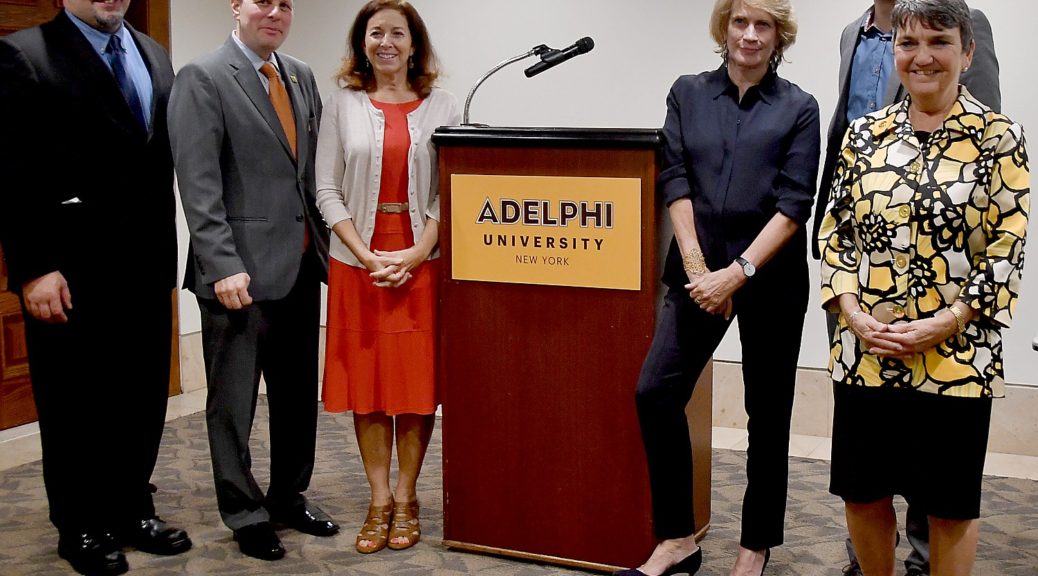
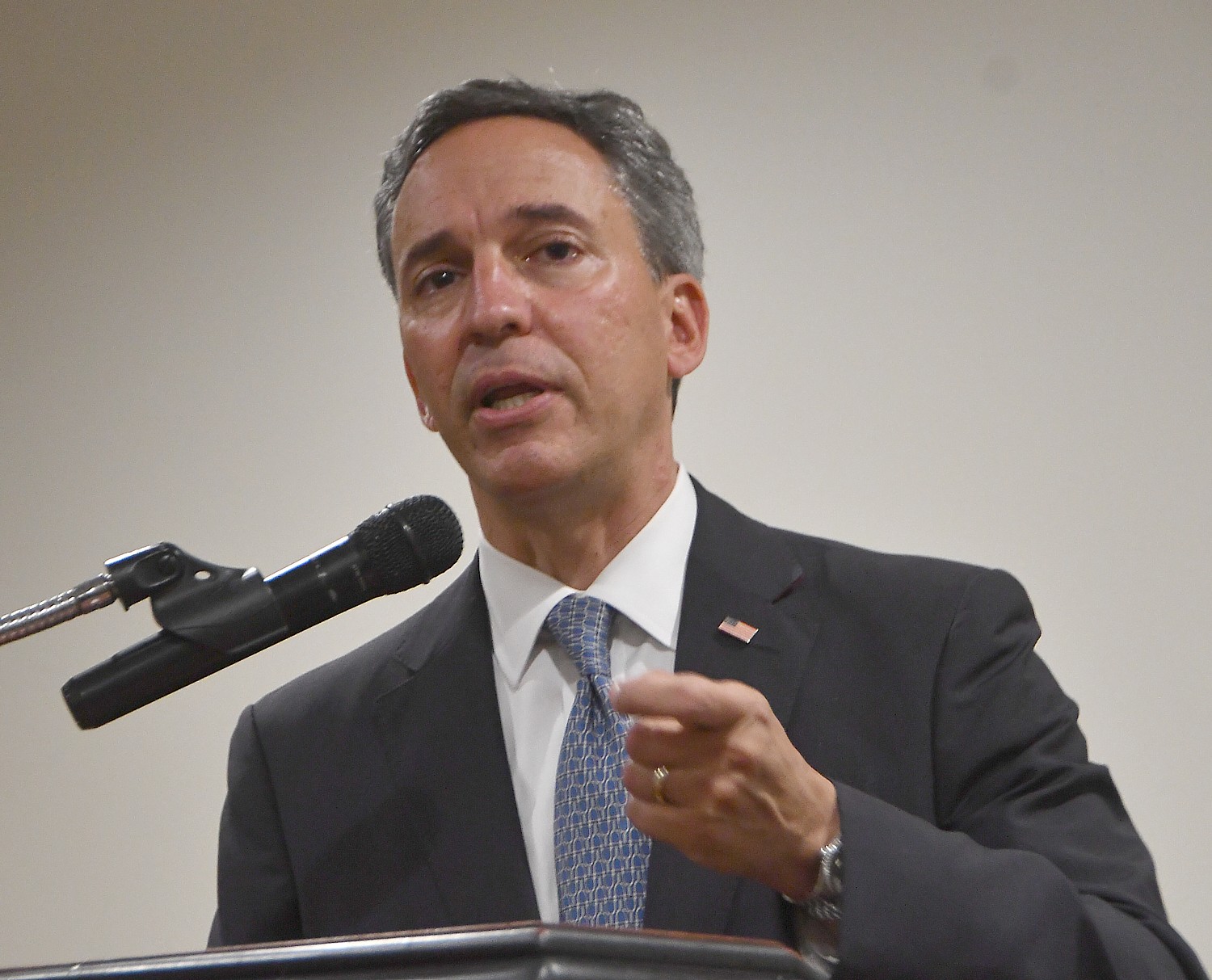
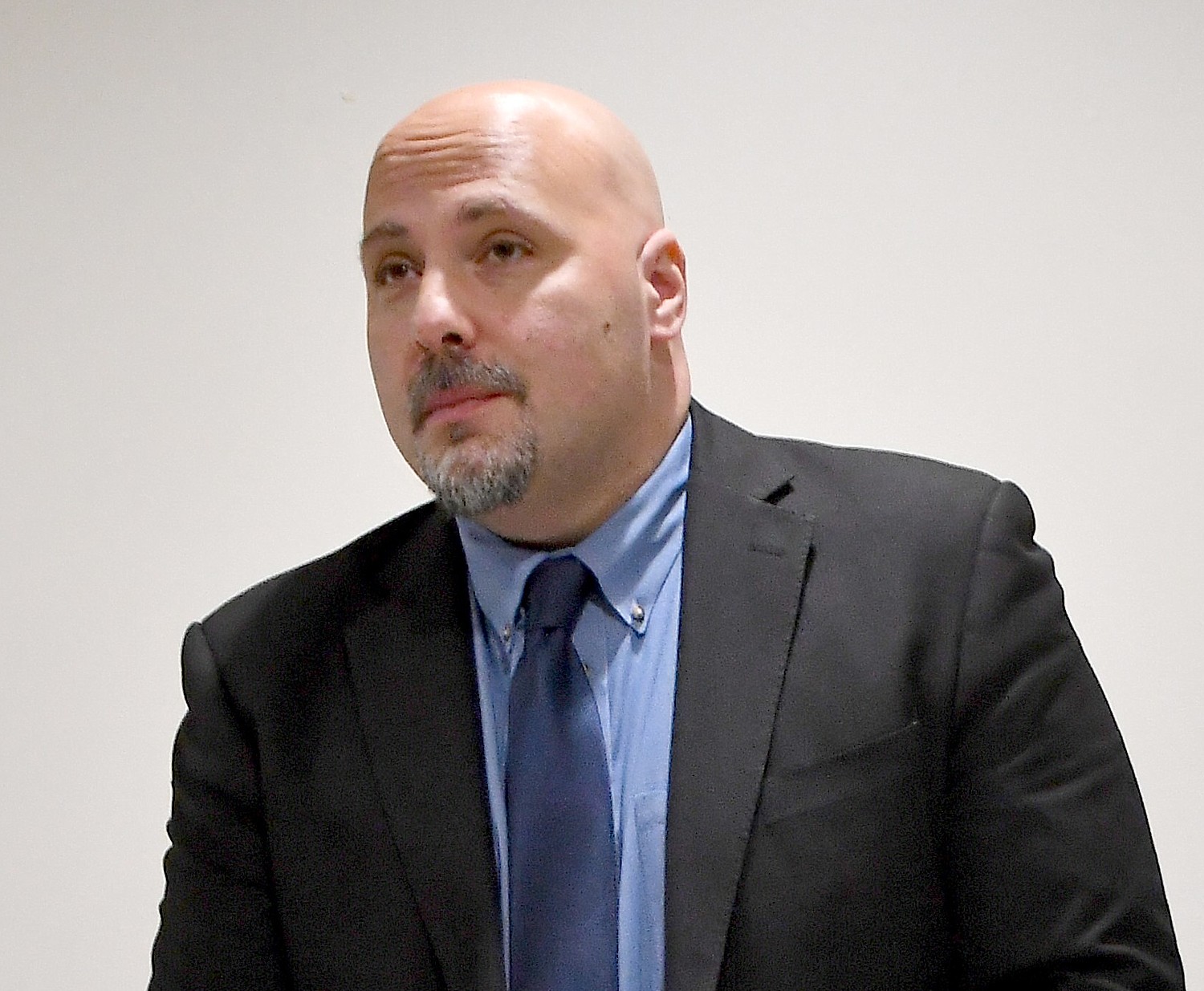
Governor Kathy Hochul rallied with local leaders from across the state to highlight her “Let Them Build” agenda, a series of landmark reforms to speed up housing and infrastructure development and lower costs as part of her 2026 State of the State. This initiative will spur a series of common sense reforms to New York’s State Environmental Quality Review Act (SEQRA) and executive actions to expedite critical projects that have consistently been found to not have significant environmental impacts, but caught up in red tape and subject to lengthy delays. Together, these actions will make it easier to build the housing and infrastructure that localities want.
The Governor’s proposal has now secured the backing of the New York State Association of Counties (NYSAC), the New York State Association of Towns (NYAOT), and the New York State Conference of Mayors (NYCOM), along with New York City Mayor Zohran Mamdani and dozens of other local elected officials from communities across New York.
“For far too long needless, outdated red tape has stood in the way of the housing and infrastructure that New Yorkers need to address the housing crisis and make life more affordable in communities across our state,” Governor Hochul said. “New York is a place defined by our boundless ambition — we are a state that builds. It is time that we cut the red tape that too often slows down projects and let communities build, so we can offer all New Yorkers the more affordable and livable state that they deserve and attract new residents who want to call New York home.”
Today, it is too difficult to build major projects in New York: manufacturing, housing and energy projects can take as much as 56 percent longer in New York State to get from concept to groundbreaking compared to peer states. Longer projects mean higher costs, a challenge that is especially critical in New York’s housing crisis, where the only solution to high costs and scarce homes is to build more housing faster and cheaper than before. According to a report from the Citizens Budget Commission, red tape increases the cost to build a unit of housing in New York City by as much as $82,000 per unit. Similarly, burdensome requirements delay needed investment in clean water infrastructure, child care centers, and parks.
New York City Mayor Zohran Mamdani said, “We cannot address our housing crisis without making it easier to build housing in New York City. Environmental review reform would bring our regulations into the 21st century and ensure we can deliver an affordability agenda on the timetable needed. I commend Governor Hochul for this commonsense proposal and hope it will be a part of the enacted state budget this year. New Yorkers can’t wait any longer for action on housing.”
New York State Association of Counties Executive Director Stephen J. Acquario said,“Counties across New York State recognize that the State Environmental Quality Review Act plays an important role in protecting our natural resources and communities, but we also know that the current SEQR process can be overly complex, time-consuming, and costly — often delaying housing and infrastructure projects that have little or no environmental impact. We welcome the Governor’s review of the SEQR framework and look forward to working with her and the Legislature to modernize the process in a way that preserves strong environmental protections while allowing counties and municipalities to deliver the housing and infrastructure New Yorkers urgently need.”
New York State Conference of Mayors Executive Director Barbara Van Epps said, “NYCOM applauds Governor Hochul for her efforts to streamline the State Environmental Quality Review Act (SEQRA) process, while preserving local control. SEQRA was designed to protect the environment, but it has too often been used to delay or block projects that would deliver clear environmental and community benefits. These targeted reforms would strike an important balance by expediting projects with minimal environmental impact while allowing communities to move forward with critical investments in housing, water and wastewater infrastructure, and other essential services.”
“The New York Association of Towns supports the governor’s effort to cut red tape and modernize the State Environmental Quality Review Act (SEQRA),” said New York Association of Towns’ Executive Director Christopher A. Koetzle. “We look forward to our continued partnership with the governor and our shared work together helping local governments become more efficient while still ensuring the integrity of the land-use review process.”
Helping Our Communities Build Housing We Need

When Governor Hochul took office, she vowed to tackle the housing crisis and bring down costs by building the housing that New Yorkers desperately need so that more hard working households and families can afford a place to call home. However, too much critically-needed affordable housing development is forced to navigate a web of red tape created by state mandates that add unnecessary costs and years of needless delays, despite such housing development consistently being found to have no significant environmental impact. Studies have quantified how State-mandated environmental review can slow down housing projects by an average of two years, costing hundreds of thousands of dollars per project, at a time when New Yorkers can least afford the wait for the housing they need to continue to live and thrive in New York.
To speed up the development of housing to create a more affordable and sustainable New York, Governor Hochul is proposing to amend the State Environmental Quality Review Act (SEQRA) to exempt certain types of housing that have no significant impacts on the environment from additional SEQRA review. Housing exempted from SEQRA will still be required to comply with crucial State regulatory and permit requirements governing water use, air quality, environmental justice, and protection of natural resources. The proposal does not supersede local zoning and other permitting requirements, and exempted housing also must be located outside of flood risk areas in order to qualify.
Years of experience in both New York City and across the state, involving more than a thousand projects, has shown that virtually none of such projects ultimately were found to have significant environmental impacts, but nevertheless were still subject to lengthy reviews. These reforms will accelerate the delivery of much needed housing and reduce the cost of building in ways that are consistent with sustainable and environmentally-protective development, driving down the cost of housing and rents across the state while protecting our natural resources.
“We’re not eliminating local review permits or approvals. And we’re not saying anything goes,” Governor Hochul stated.” What we are saying, and I’ll repeat it. When a community says yes, they know that it’ll not impact the government, that the State is going to step out of the way and let them go forward and build. And right here in New York City, we can significantly speed up construction of housing units up to 250 citywide.
“But in areas that are medium and higher density, up to 500 units without having to go through this redundant review. And of course they have to comply with preliminary environmental regulations, State and local law permitting. None of that’s changing, but my reformers will be a game changer and send a strong message to communities and developers alike. We are open for business and just like all the other challenges I approach, as I mentioned, I approach this one with urgency. I am impatient as our New Yorkers, we cannot wait anymore. And those who oppose us, who want to keep the status quo. You explain that to the family living in a homeless shelter, waiting for a home. You explain your opposition to the young couple who wanted to start a family here in New York, but can’t.”
Accelerating Critical Infrastructure Projects That New Yorkers Depend On
Governor Hochul also has proposed to facilitate the speedier, cheaper delivery of a broad range of beneficial infrastructure projects that New Yorkers depend on. Specifically, the Governor has proposed to adjust SEQRA’s classifications to exempt the following important categories of infrastructure that meet specific criteria from additional SEQRA review to start serving New Yorkers faster:
- Clean Water Infrastructure: Critical water infrastructure that avoids impacts to natural resources.
- Green Infrastructure: Nature-based storm water management.
- Parks and Trails: Public parks and recreational bike/pedestrian paths
- Child Care: New or renovated child care centers
Governor Hochul’s proposal would reserve these fast-track environmental review processes for only infrastructure that would be located at previously disturbed areas, protecting our natural resources and undisturbed lands, while strengthening our neighborhoods. The Governor’s approach would yield tangible environmental benefits including improved air and water quality, a reduction in greenhouse gas emissions, and the preservation of critical habitats when compared to policies which encourage sprawl and unchecked development of natural areas.
Currently SEQRA review timelines vary greatly across projects, creating unpredictability for local communities, project sponsors, and state agencies alike. To cut through the red tape, Governor Hochul has proposed to:
- Deliver faster decisions for local communities by setting clear timelines for environmental impact statements and driving accountability
- Streamline environmental impact statements to cut down on review timelines for key categories of projects
- Modernize New York’s permitting processes to save time and money for localities by improving processes and utilizing new technologies
- Expedite major state infrastructure projects to serve New Yorkers faster
- Support local communities through a new permitting academy
New York State Homes and Community Renewal Commissioner RuthAnne Visnauskas said,“New Yorkers desperately need more opportunities to rent apartments and buy homes they can afford. The SEQRA reforms outlined in the Governor’s Let Them Build agenda will deliver that by bringing clarity, speed, and fairness to the process of increasing housing supply and building the infrastructure and community resources that go along with it. The changes and modernization that the Governor is proposing will reduce the time it takes to get shovels in the ground by more than fifty percent while continuing to preserve and protect our natural resources. This is a brilliant idea that will make an enormous difference toward creating the homes and the thriving communities that people deserve.”
New York State Department of Environmental Conservation Commissioner Amanda Lefton said,“Governor Hochul’s ‘Let Them Build’ agenda is centered around incentivizing doing the right thing, avoiding impacts to natural resources, by driving development to previously disturbed sites. Common-sense reforms to SEQRA will speed up the delivery of zoned and permitted affordable housing and other critical infrastructure projects that New Yorkers need, and secure more certainty in environmental review timelines on vital transportation improvements, municipal infrastructure, and other projects benefitting local communities. The Governor’s approach will yield tangible environmental benefits compared to policies that encourage sprawl and unchecked development of natural areas.”
Empire State Development President, CEO and Commissioner Hope Knight said, “Governor Hochul’s ‘Let Them Build’ agenda is a critical step toward delivering the housing, infrastructure, and clean energy projects to benefit all New Yorkers. By modernizing environmental review, setting clear and accountable timelines, and removing unnecessary barriers while maintaining strong environmental protections, these reforms will lower costs, speed responsible development, and strengthen communities throughout the state.”
Governor Hochul’s Housing Agenda
Governor Hochul is dedicated to addressing New York’s housing crisis and making the State more affordable and more livable for all New Yorkers. Since FY23, the Governor has worked to increase housing supply through nearly $4 billion in targeted investments, a comprehensive Housing Plan, and implemented new protections for renters and homeowners. Under Governor Hochul’s leadership, HCR has created new programs that jumpstart development of affordable and mixed-income homes — for both renters and homebuyers. These include the Pro-Housing Community Program, which allows certified localities exclusive access to up to $750 million in discretionary State funding. Currently, more than 400 communities have received Pro-Housing certification.
The FY27 Executive Budget completes the Governor’s current five-year, $25 billion Housing Plan to create or preserve 100,000 affordable homes statewide, including 10,000 with support services for vulnerable populations plus the electrification of an additional 50,000 homes. More than 77,000 affordable homes have been created or preserved to date. The Executive Budget also invests $250 million to accelerate affordable housing construction to speed up the building of thousands more affordable homes.
East Hampton Town Supervisor Kathee Burke-Gonzalez said,“East Hampton needs more affordable housing so the people who keep our town running can continue living here, including teachers, health care workers, first responders, town employees, and young families. I appreciate Governor Hochul for making this a priority and for backing a clearer, more consistent review process that helps communities build the homes New Yorkers need while continuing to protect our environment, our water, and our open space.”
“I applaud Governor Hochul’s proposed SEQRA reforms through her Let Them Build Agenda,” said White Plains Mayor Justin Brasch. “These common-sense changes cut through unnecessary red tape while striking the right balance-encouraging smart growth and preserving zoning authority, home rule, and environmental integrity. As the fastest-growing city in New York State, White Plains needs tools that allow us to build faster and more affordably, and this plan delivers.”
Queens Borough President Donovan Richards Jr. said, “Our city and state face a generational housing crisis that endangers countless families living on the sharp edge of homelessness, and we must leave no stone unturned in order to protect, preserve and rapidly build affordable housing. That is exactly what these reforms put forth by Governor Hochul will do by removing the red tape that has contributed to this crisis by unnecessarily delaying and blocking construction. I commend the Governor for putting forward her comprehensive Let Them Build initiative, and I am proud to partner with her in this effort.”
New York State Association for Affordable Housing President and CEO Carlina Rivera said, “New York is running out of time to address its affordable housing crisis, and unnecessary delays in the SEQRA process are making it harder and more expensive to build the homes New Yorkers need. Governor Hochul’s proposed SEQRA reforms strike the right balance by streamlining review for appropriate affordable housing projects while preserving critical environmental protections. These changes will reduce costs, create predictability, and help deliver more homes faster. We urge the Legislature to work with the Governor to ensure these important reforms remain in the final budget.”
New York Housing Conference Executive Director Rachel Free said,“Reforming SEQRA is critical to unlocking housing production in New York. The current process often creates years of delay, drives up costs, and blocks housing and infrastructure projects without delivering better environmental outcomes. The Governor’s suggested modernization would rightly focus on projects with truly significant impacts, while reducing the delay on key housing projects. SEQRA reform is essential to advancing affordable housing and the economic vitality New York urgently needs while maintaining strong environmental protections.”
National Federation of Independent Business New York State Director Ashley Ranslow said, “Governor Kathy Hochul’s proposal to reform SEQRA is a practical and necessary step to help streamline and expedite the development and building process. In New York, it takes too much time and resources to get a project off the ground — inevitably driving up the cost of construction. Reforming SEQRA will cut red tape, accelerate building projects, and make them more affordable, ultimately helping the state’s economy, small businesses, and communities across the state.”
Partnership for New York City President and CEO Steven Fulop said,“I hear often from Board members at the Partnership that SEQRA has needed fixing for a long time. It is needlessly bureaucratic, and it drags out projects. I am glad Governor Hochul is taking this on, because it is an unnecessary factor driving up the cost of housing development in the city.”
Open New York Executive Director Annemarie Gray said, “Modernizing SEQRA is about restoring faith that our government can deliver on the things New Yorkers need. When critical projects spend five years being delayed by paperwork, people lose faith in government. Right now, we’re facing both an affordability crisis and a climate crisis — these demand immediate action, and New York families can’t afford to wait years for delays driven by frivolous lawsuits. We commend Governor Kathy Hochul for taking this on and urge the State Legislature to pass SEQRA reform in this year’s state budget.”
Citizens Budget Commission President Andrew Rein said, “We commend Governor Hochul for proposing this bold step to boost much-needed housing production. Reforming the onerous environmental review process will make building housing cheaper and faster, without additional cost to the State. That’s the sort of smart choice that will make our state more affordable and competitive.”
Regional Plan Association President and CEO Tom Wright said,“Reforms to the State Environmental Quality Review Act (SEQRA) will help fast-track the smart, sustainable infrastructure our region needs, and we commend Governor Kathy Hochul for her bold leadership in taking on this long-overdue work. For over one hundred years, RPA has focused on one core mission: improving quality of life across the tri-state region by advancing solutions that lead to economic vitality, environmental resilience, and healthy, thriving communities. SEQR modernization will greenlight the housing, energy, and transit investments New Yorkers support, and that our region needs to remain competitive, equitable, and resilient.”
Association for a Better Long Island Executive Director Kyle Strober said,“This is a significant update for the New York economic development community. One of the biggest hurdles that economic development projects face is unpredictable timelines and prohibitive soft costs for small to mid-sized projects. These reforms, proposed by Governor Hochul, will help spur economic development, create housing and help make New York more affordable.”
Long Island Contractors’ Association Executive Director Marc Herbst said, “Contractors across Long Island welcome efforts to modernize SEQRA so essential infrastructure projects can move forward in a more timely and predictable way. Streamlining reviews for projects with minimal environmental impact will help communities deliver critical upgrades to roads, water, energy, and public facilities — supporting good-paying local jobs while maintaining strong environmental standards.”
Permanent Citizens Advisory Committee to the MTA Executive Director Lisa Daglian said, “SEQR reform is a crucial complement to transit-oriented development projects around the MTA region, simultaneously combating the housing affordability and climate change crises. We applaud Governor Hochul for taking on this common-sense legislation that will cut red tape and encourage more transit ridership across the region.”
New York State Economic Development Council Executive Director Ryan M. Silva said, “Cutting through red tape and reducing timelines for project approvals is critical to achieve our housing, economic development, and renewable energy goals. The governor’s proposal to exempt housing projects from SEQRA and install a two year cap for review is an important and necessary first step to help support New York’s business climate. These initiatives will help reduce project costs, create predictability in the permitting approval process, and create economic opportunity across the state.”
Westchester County Association President & CEO Michael N. Romita said, “Governor Hochul’s SEQRA reforms are a very important step toward addressing the state’s critical housing shortage. Notwithstanding its noble underpinnings, over the past half century, SERQRA has become increasingly abused by overuse and modernization is overdue. These reforms do not override local control, and they don’t require communities to change their zoning. Rather, they empower local officials to meet today’s needs.”

Long Island Association President & CEO Matt Cohen said, “Red tape and overregulation stifles innovation and hinders sorely needed projects that contribute to economic growth. The LIA commends the Governor’s proposal to streamline environmental reviews for new housing, which would go a long way to addressing our existential cost-of-living crisis on Long Island.”
New York State Business Council President & CEO Heather Mulligan said, “New York’s housing shortage is an ongoing economic concern in all regions of New York State. Modernizing environmental review rules — without hindering protections — can cut years of red tape, lower construction costs, and accelerate the delivery of housing that families and workers can afford. Expediting essential investment projects — will support job creation, community growth, and help make New York more competitive.”
Rockland Business Association CEO Jeffrey Greenberg said, “Governor Hochul’s proposal to cut red tape and modernize permitting is a smart, common-sense step for New York. By streamlining outdated processes while preserving environmental protections and public input, these reforms will help Rockland move critical projects forward faster and at a lower cost while simultaneously supporting economic growth across New York State.”
Westchester Business Council Vice President John Ravits said,“The BCW has always advocated for SEQR Reform. Governor Hochul’s proposal to streamline New York’s permitting and environmental review process is a practical step toward helping communities get projects built more efficiently. By reducing unnecessary delays while maintaining strong environmental safeguards and public engagement, these reforms will lower costs, improve timelines, and support the housing, infrastructure, and economic development projects our region needs.”
New York State Builders Association President Peter Florey said,“It is important that we get back to the original intent of the SEQR process which was to protect our environment. SEQR was not intended to be used as a means of slowing or preventing much needed housing production. Governor Hochul’s meaningful recommendations will go a long way towards ensuring that SEQR is used to help housing production and affordability while also safeguarding our environment.”
Enterprise Community Partners Senior Vice President of Programs Baaba Halm said, “When it comes to delivering affordable housing, every second counts. Too often, SEQR creates lengthy, costly, and sometimes insurmountable barriers to affordable housing projects. Enterprise applauds Governor Hochul for recognizing sensible SEQR reform as a way to accelerate the delivery of the affordable homes that New Yorkers so desperately need.”
Real Estate Board of New York Executive Vice President of Public Policy Basha Gerhards said,“The Governor’s thoughtful reforms to SEQRA will accelerate new housing production and save significant time and money. We applaud the administration for identifying a solution to streamline this process while protecting the opportunity for local review.”
Long Island Builders Institute CEO Mike Florio said,“New York’s housing shortage is a crisis that demands action, and Governor Hochul’s proposed reforms to SEQRA are a critical step in the right direction. SEQRA was never intended to be a tool to delay or block much-needed housing for years at a time. Modernizing the review process while maintaining strong environmental protections will help communities add housing faster, reduce costs for families, and support smart, responsible growth across Long Island and New York State.”
Long Island Housing Services Executive Director Ian Wilder said, “On Long Island, SEQRA has long been an essential tool for protecting our drinking water, open space, and air quality, and those protections must remain strong. At the same time, a small number of bad-faith challenges have abused the statute to delay or derail lawful, environmentally responsible housing — particularly infill development, code-compliant homes with appropriate sewage systems, and accessory dwelling units. Thoughtful SEQRA reform restores balance. It preserves meaningful environmental review while reducing misuse that has worsened traffic congestion and fueled sprawl that puts greater strain on groundwater and infrastructure. On an island with limited land and a severe housing shortage, smart, compact housing is not in conflict with environmental protection — it is one of the most effective ways to achieve it.”
New York Housing Conference Executive Director Rachel Fee said, “Reforming SEQRA is critical to unlocking housing production in New York. The current process often creates years of delay, drives up costs, and blocks housing and infrastructure projects without delivering better environmental outcomes. The Governor’s suggested modernization would rightly focus on projects with truly significant impacts, while reducing the delay on key housing projects. SEQRA reform is essential to advancing affordable housing and the economic vitality New York urgently needs while maintaining strong environmental protections.”
New York State Association of REALTORS® President Ron Garafalo said“The New York State Association of REALTORS® supports Governor Hochul’s proposal to streamline New York’s State Environmental Quality Review Act (SEQRA). The proposals will expedite project timelines for key initiatives like the critical need for housing, accelerate the implementation of necessary infrastructure projects, reduce red tape and focus on meaningful revisions while maintaining strong environmental protections. These reforms are essential to addressing housing affordability across New York.”
Suffolk County Village Officials Association President and Village of Brightwaters Mayor John Valdini said, “The Suffolk County Village Officials Association supports common sense efforts to cut unnecessary red tape and help communities with smart, responsible growth. Governor Hochul’s approach respects local zoning and home rule while streamlining a process that too often delays projects our residents need.”
Rebuilding Together NYC Executive Director Valerie Payne said,“As the Executive Director of Rebuilding Together NYC, whose mission is to repair homes, rebuild lives, and revitalize communities, our work is directly aligned with the Governor’s initiative to “Let Them Build”. As a nonprofit that provides critical repairs to preserve existing homes in the midst of a housing crisis, we acutely understand the need to build more and to improve the infrastructure of New York City neighborhoods. We work with so many homeowners who cannot afford to keep up their homes and are living on fixed incomes and without our support, have nowhere to turn. Our critical home repairs prevent displacement, as well as avoidable hospitalizations due to older adults living with environmental hazards and preserving family assets. If forced to move, homeowners would not be able to afford the rent in a new building. “Let them Build” offers hope that in the future, our low-income NYC homeowners will not be in such a vulnerable position. Thank you, Governor Hochul!”
Supportive Housing Network of New York Executive Director Pascale Leone said, “The Network strongly shares the Governor’s commitment to building more housing, including urgently needed supportive housing. The proposed reforms in this year’s budget thoughtfully balance environmental protections with the pressing need to address New York’s housing crisis,”
LISC NY Head of National Housing Strategic Initiatives & Senior Executive Director Valerie White said, “The most effective way to address New York’s housing crisis is to build more housing, and removing barriers that slow projects down or stop them altogether by cutting red tape and modernizing outdated rules will help achieve that goal. Governor Hochul advancing these important reforms will spur housing development across New York State and we look forward to seeing how they will help neighborhoods grow in ways that are community-centered, sustainable, and responsive to real housing need.”
CDC LI President and CEO Gwen O’Shea said, “Long Island’s has a serious housing crisis; driven in part by lack of inventory and affordability. Removing unnecessary barriers to allow more housing opportunities to develop is a win for all Long Island. This proposal will allow more homes to be available to Long Islanders while protecting the uniqueness and beauty of Long Island’s environment.”
NYU Furman Center Faculty Director Vicki Been said, “NYU’s Furman Center has long raised concerns about whether the costs of the environmental review process for infill housing and some other types of development outweigh the benefits. A few other states have begun to make progress in streamlining and targeting environmental review, and we commend Governor Hochul and her team for tackling this critical issue for New York.”
Nassau County Village Officials Association president Elena Villafane said, “The Nassau County Village Officials Association backs efforts to simplify the approval process, eliminate needless hurdles, and give communities the tools to act efficiently. Preserving local decision-making on zoning is extremely important, and Governor Hochul’s plan allows villages to advance sensible growth.”
Bruce Blakeman, Nassau County Executive who is the Republican challenging Hochul for governor, has consistently opposed Hochul’s efforts to address the state’s housing and affordability crisis. He has done nothing to improve critical infrastructure; the only infrastructure improvements, such as to the Long Island Railroad, and downtown revitalization programs have been funded by the state. His one economic development project during his term was to award the Nassau Coliseum property (dubbed “The Hub”) to the Sands to build a casino resort, which was opposed by much of the surrounding community.