
27 Million Fewer Vehicles Entered the Congestion Relief Zone, Traffic Down 11%; Crossing Speeds Up by as Much as 51%; Transit Ridership Up 7%
Congestion Pricing Delivers Cleaner Air and Safer Streets: Pollution Down 22% in the Zone and Down Throughout Region; Crashes Down 7% and Traffic Injuries Down 8%
Manhattan Economy is Thriving: Best Year for Office Leasing in 23 Years; Foot Traffic Up From 2024; Sales Tax Receipts up Over 6%
$15 Billion in Funding Unlocked to Advance Critical Transit Improvements Including New Railcars, Signal Upgrades and the Second Avenue Subway
Read MTA’s Report on First Year of Congestion Pricing Here

Governor Kathy Hochul today announced that on its one-year anniversary, New York City’s first-in-the-nation congestion pricing program has been a transformational success, reducing traffic, improving quality of life and supporting billions in transit upgrades. In its first year, congestion pricing resulted in 27 million fewer vehicles entering the Congestion Relief Zone (CRZ) of Manhattan south of 60th St, an 11 percent reduction in traffic. Reduced gridlock has improved commute times across the region, especially at crossings into the CRZ, with some drivers saving as much as 15 minutes each way. Congestion pricing has reduced emissions, made streets safer, improved quality of life, and has generated over $550 million in net revenue in its first year, allowing the MTA to proceed with $15 billion in transit improvement projects. Governor Hochul has also stood strong to defend congestion pricing from unlawful federal efforts to terminate the program. One year in, congestion pricing is working and it is legal.
“The results are in and it is clear that in just one year, congestion pricing has been an unprecedented success in New York,” Governor Hochul said. “By every measure, this program has met or exceeded expectations: traffic and gridlock are down substantially, people are moving faster, air quality is improved, streets are safer and our economy is stronger. New Yorkers are benefitting from congestion pricing every day, and that’s why we have fought to stop any unlawful federal attempt to end this program. And there are even more benefits to come: $15 billion in transit upgrades with major projects already underway, improving the commutes of millions of New Yorkers.”
New York City Mayor Zohran Mamdani said, “As we mark the one-year anniversary of congestion pricing going into effect, its benefits are clearer than ever. Traffic crashes and noise complaints are dropping, while funding for the MTA and air quality are rising. Working New Yorkers deserve less congestion, a well-funded transit system, and a safer and quieter place to call home, and I’m proud to see congestion pricing deliver on that promise.”
MTA Chair and CEO Janno Lieber said, “I want to thank all who worked on this program over the years. The congestion pricing experience demonstrates what the new MTA can accomplish working with our State and City partners. The result here is flawless execution and unprecedented benefits for all New Yorkers.”
New York State and the MTA have successfully fought off repeated legal challenges to congestion pricing and have stood up to block the unlawful attempts of the United States Department of Transportation (USDOT) and the Trump Administration to terminate the program. In May, a preliminary injunction was issued in the case of Metropolitan Transportation Authority v. Duffy, keeping congestion pricing in effect pending further court proceedings and enjoining the federal government from taking retaliatory measures in response.
Since congestion pricing commenced at 12:00 am on January 5, 2025, it has delivered a wide array of benefits according to data from the MTA and other reports from business groups, government agencies and academic institutions.
Congestion Pricing Has Reduced Gridlock
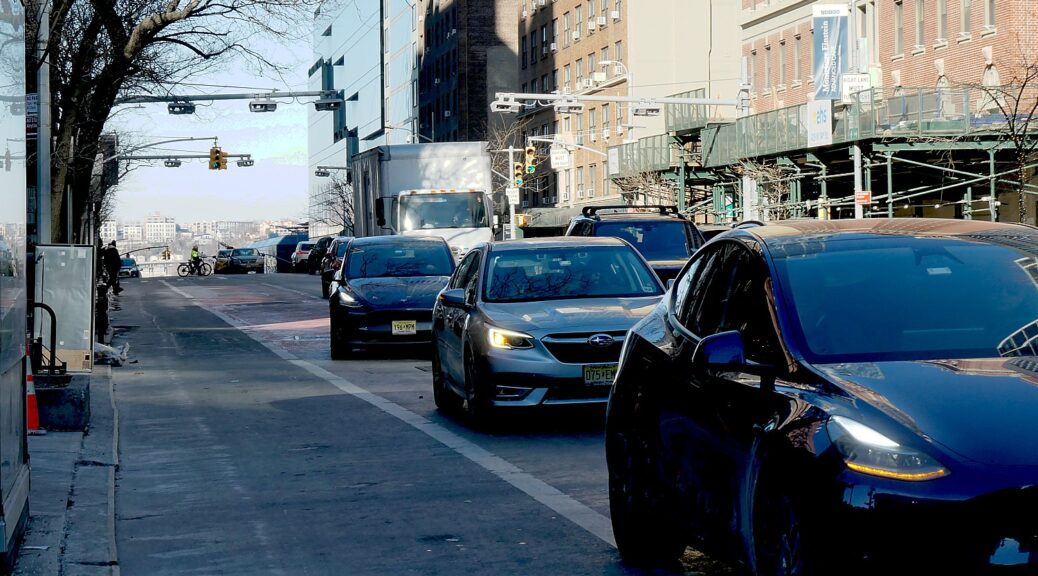
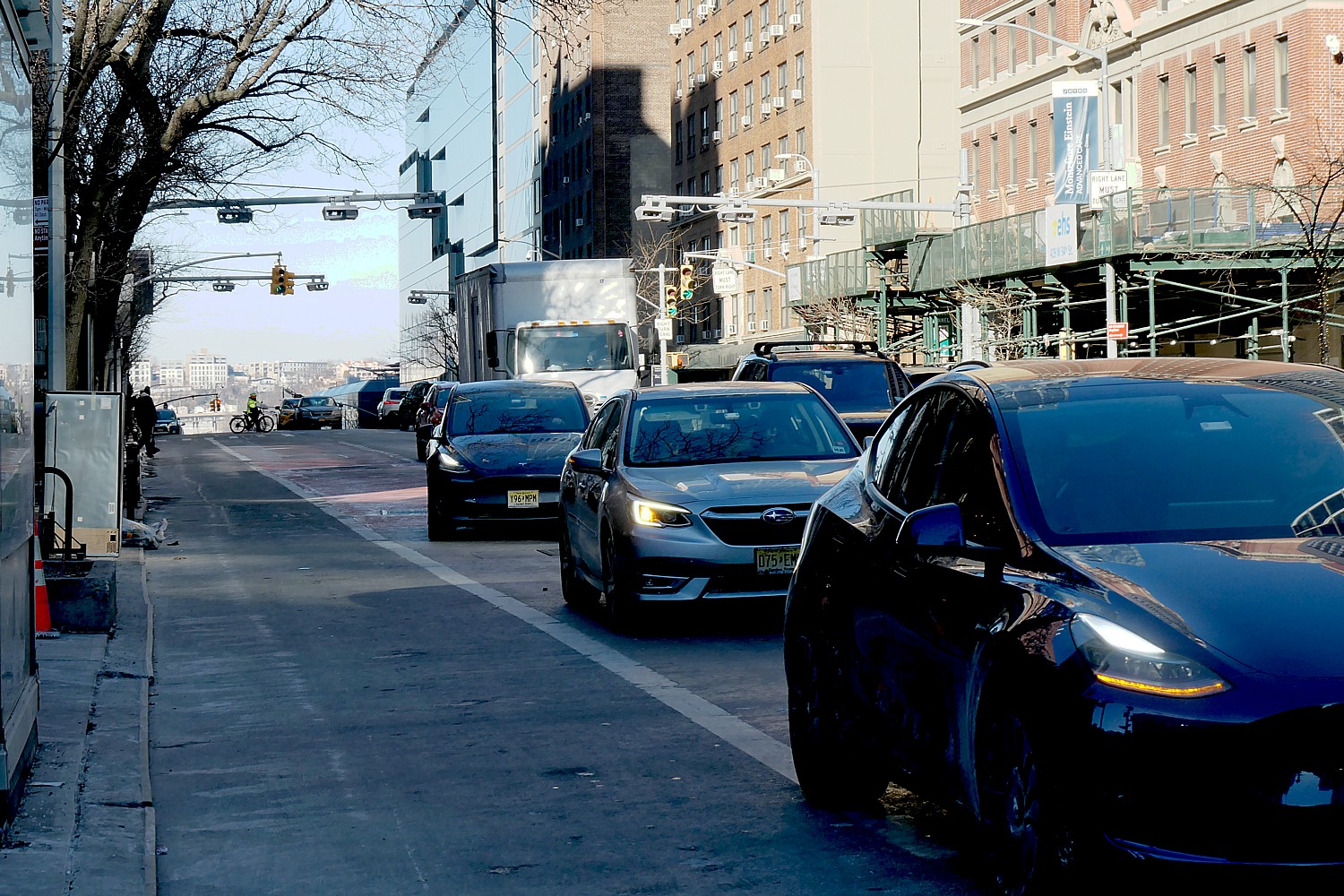
Following the launch of congestion pricing, over 27 million fewer cars have entered the CRZ. On any given day, over 73,000 fewer vehicles are entering the zone, an 11 percent reduction on average. Crossings entering and exiting the CRZ experienced especially pronounced speed improvements, with morning rush hour traffic speeds up an average of 23 percent.
- Brooklyn Bridge: 15 percent faster
- Holland Tunnel: 51 percent faster
- Hugh L Carey Tunnel: 10.8 percent faster
- Lincoln Tunnel: 24.7 percent faster
- Manhattan Bridge: 6.7 percent faster
- Queensboro Bridge: 29.3 percent faster
- Queens-Midtown Tunnel: 18.4 percent faster
- Williamsburg Bridge: 28.3 percent faster
Reduced gridlock is speeding up trips for motorists and transit riders. Within the CRZ, bus speeds increased 2.3 percent, reversing the trend of declining speeds seen in 2023 and 2024. Weekday vehicle speeds in the CRZ were up 4 percent compared to 2024, with weekends seeing a 6.2 percent improvement. Deliveries and the movement of goods in the CRZ are also being completed faster, with truck speeds up 5.6 percent compared to 2024.
The amount of driving done in the CRZ has declined as well, with the total Vehicle Miles Traveled (VMT) down by 7.1 percent. The share of personal vehicles like cars, pickup trucks and vans entering the CRZ has declined by six percentage points since the launch of congestion pricing.
Congestion pricing has also yielded benefits outside of the CRZ, including in previously identified Environmental Justice Communities. The BQE saw a 5 percent reduction in total traffic and a 10.2 percent reduction in truck traffic. The Cross Bronx Expressway saw total traffic decline by 7.4 percent and truck traffic drop by 4.3 percent. The Major Deegan Expressway in Mott Haven experienced a total traffic reduction of 7.1 percent, with truck traffic down 9.2 percent.
Roads approaching the CRZ are moving faster as well: sections of Flatbush Ave approaching the Manhattan Bridge saw speed increases of 6 percent, I-495 in New Jersey has experienced a 15 percent speed increase approaching the Lincoln Tunnel, and the Gowanus Expressway saw a 7 percent improvement between the Verrazzano-Narrows Bridge and the Hugh L. Carey Tunnel.
New York City’s Economy is Thriving
The launch of congestion pricing has coincided with a booming Manhattan economy. On metrics ranging from office leasing rates to Broadway ticket sales, 2025 saw business up in the CRZ and in New York City as a whole.
Manhattan’s office economy is thriving. In July of 2025, New York City became the first major American city to exceed pre-pandemic office traffic, according to data from placer.ai. Office leasing has surged in 2025: according to a recent report from Colliers, office leasing activity in Q3 2025 was up 9.2 percent year over year, exceeding pre-pandemic levels and on track for the highest volume of new office leases since 2002. There are one percentage point fewer vacant storefronts in the CRZ in the year since the program launched, according to NYC Economic Development Corporation data. Jobs increased as well, with NYS Department of Labor statistics showing private sector employment in New York City up 2.0 percent in August, more than double the national rate of 0.9 percent.
Economic activity has increased both in the CRZ and across New York City. Data from the NYS Department of Taxation and Finance shows that sales tax receipts were up 6.3 percent in New York City in 2025 through November, exceeding the state’s average, three times higher than neighboring Westchester County and more than six times higher than neighboring Nassau county. In 2025, Broadway had its best season in history, with $1.9 billion in ticket sales, up 23 percent from the previous season. Restaurant reservations and retail sales were also up in the CRZ, according to industry reports.
More people are entering the CRZ to work and visit since the launch of congestion pricing. Foot traffic increased by 3.4 percent in the zone, compared to a boroughwide increase of 1.4 percent. Transit ridership also rose entering and within the CRZ; according to MTA data, subway trips entering the zone increased by 9 percent, with express bus trips up 7.8 percent and local bus trips up 8.4 percent.
Congestion Pricing Has Improved Quality of Life
Congestion pricing has produced benefits that extend far beyond reduced traffic and faster trips; it has yielded transformative benefits to the quality of life of New Yorkers.
Preliminary data has shown improved air quality since congestion pricing launched. A recent study from Cornell University found that air pollution, in the form of particulate matter 2.5 micrometers and smaller, dropped by 22 percent in the CRZ, with reductions seen across the five boroughs and surrounding suburbs. MTA data also found a 6.1 percent reduction in greenhouse gas emissions within the zone through Q3 of 2025. Reduced gridlock is also driving down noise pollution. According to 311 data, vehicle noise complaints for issues like horn honking decreased in the CRZ by 17 percent compared to 2024.
Reduced traffic has corresponded with a record year for street safety in New York City. Crashes within the CRZ declined by 7 percent, with traffic injuries down 8 percent. Traffic fatalities were down by 40 percent in the CRZ as of July, according to data from the NYPD. Citywide, 2025 saw the fewest traffic deaths in recorded history, with fatalities down 19 percent from 2024. Safety was improved for motorists, pedestrians, and the cyclists who take 600,000 trips each day: pedestrian fatalities were down 9 percent, and cyclist fatalities on New York City’s streets decreased to 20, compared to 23 in 2024.
Critical Transit Improvement Projects are Underway
Congestion pricing has consistently met monthly revenue targets needed to generate the projected $500 million in annual net revenue. As of November 2025, $518 million in net tolling revenue has been collected and allocated to support transit improvements and mitigation initiatives, with preliminary projections for year-end exceeding $550 million in net revenues.
Overall, the program allows the MTA to proceed with $15 billion in funding for the 2020-2024 Capital Plan, advancing projects to rebuild, improve and expand the transit system. A third of that funding is dedicated towards performing critical state of good repair work to ensure the continued reliability of the transit system.
Projects funded by congestion pricing include:
- Second Avenue Subway Phase 2 ($3B)
- Signal upgrades along the AC and BDFM lines ($3B)
- Accessibility improvements to 23+ subway stations ($2B)
- New railcars and buses ($2B)
- State of Good Repair projects ($5B)
As of January 1, 2026, more than $6 billion in projects unlocked by Congestion Relief are in construction, including Second Avenue Subway Phase 2, ADA upgrades at nine stations, new signals serving more than 600,000 A/C riders in Brooklyn and Queens, and systemwide state of good repair work.
Mitigation Initiative Progress
The MTA and its project sponsors continue to deliver on the mitigation and monitoring commitments outlined in the Final Environmental Assessment (EA). The MTA and sponsors committed to $125 million in total mitigations across eight initiatives, with every initiative now in progress. Final implementation has now begun for three mitigations:
- Expand NYC Clean Trucks Program ($20M): Implementation has begun. NYC DOT will begin accepting new applications for rebate incentives by the spring.
- Expand NYC DOT Off-Hours Delivery Program ($5M): Implementation is in progress. In partnership with NYC DOT to improve safety and reduce daytime truck traffic, NYC DOT will begin onboarding new participants in Q1 2026.
- Replacement of Truck Refrigeration Units (TRUs) at Hunts Point Market ($15M): Implementation is in progress. Replacing up to 1,000 TRUs will result in major nitrogen oxide and particulate matter reductions — replacement of a single TRU avoids the equivalent of particulate-matter emissions from 330 truck trips a day on the Cross Bronx Expressway. The first unit was delivered in December 2025.
New York City Department of Transportation Commissioner Mike Flynn said, “In just congestion pricing’s first year, we’ve seen fewer vehicles entering Manhattan’s central business district, cleaner air, safer streets, and more people choosing to bike, walk, and take mass transit. All New Yorkers are benefiting, with new investments in mass transit and other projects that make it easier to get around without a car. Congestion pricing is a reminder that when you dare to be bold, you can achieve big things. That is why NYC DOT will lead with ambition and innovation—determined not just to make our streets better, but to make them the envy of the world. I thank the Governor and the MTA for their leadership, as well as the NYC DOT staff who are working every day to support this invaluable program.”
Representative Jerry Nadler said, “The bottom line is this: One year later congestion pricing is making New York better. We know it works. It’s cut down on traffic, and commuting times into the city are dramatically faster. Less traffic brings faster emergency response times, cleaner air, and safer streets—all while funding MTA accessibility improvements and transit extensions like the Second Avenue Subway that rely on the revenue congestion pricing generates. So I say this to anyone who tries to derail congestion pricing: get out of the way. This train is staying on the tracks. Congestion pricing will continue. We will fund the MTA. And we will protect the rights of New Yorkers to make decisions about their own city.”
Representative Dan Goldman said, “The results of the first year of Congestion Pricing in Lower Manhattan are clear: reduced congestion, fewer traffic accidents, cleaner air, increased foot traffic, and new revenue that will be used to improve the nation’s largest public transportation system that services the vast majority of New York City commuters. I’m looking forward to continuing to work alongside Governor Hochul and the MTA to make sure our commuters, our city and our environment continue to reap the benefits of this vitally important policy.”
State Senator Kristen Gonzalez said, “Congestion pricing is working for New York City. One year after implementation, we are already seeing the benefits of safer streets, cleaner air, and a better funded transportation system. These benefits improve the quality of life for working class New Yorkers across the five boroughs and regions. I commend Governor Hochul, Mayor Mamdani, and MTA Chair Lieber on their commitment to congestion pricing and defending this vital program from attacks from the Trump administration.”
Assemblymember Tony Simone said, “Fighting for the working class is never easy, but always worth it. We are one year in, and Congestion Pricing is already delivering results far beyond expectation. For the millions of New Yorkers who rely on transit, we have invested billions into expansion and improvement. For New Yorkers who choose to drive, traffic is down and speeds are up. And for my constituents who live in the zone, noise is down, pollution is down, and business is up. Congestion Pricing has quickly proven to be one of the single most effective public policy measures in history.”
Assemblymember Deborah J. Glick said, “The first year of the congestion pricing program has delivered to the MTA more resources than anticipated to support critical capital improvements to our essential transit system. I’m heartened to see this strong foundation that will enable the MTA to make desperately needed upgrades to our transit system, upon which millions of New Yorkers rely. It’s also great to see reduced traffic, improved commute times, and a reduction in air pollution throughout the Congestion Relief Zone.”
Assemblymember Linda B. Rosenthal said, “The cumulative impacts of congestion pricing cannot be overstated as we confront the realities of climate change. The Legislature understood the immense benefits that such a policy would have on the Big Apple when we originally passed it back in 2019 – and that foresight is certainly paying off. In just one year, Midtown is being released from gridlock, noise complaints are down, traffic-related incidents are becoming less frequent and the MTA is using the fees to make much-needed repairs to our transportation system. That is why we must remain steadfast in our commitment to this policy and continue rejecting any federal overtures to end this transformative program.”
New York City Comptroller Mark Levine said, “After just one year, congestion pricing has proven to be a resounding victory for transit riders, our communities, and the city. Despite the early hand-wringing, congestion pricing has stimulated economic activity across our restaurants, storefronts, and cultural hubs, all while generating millions for the MTA. By standing up to the Trump administration, Governor Hochul has ensured New York can invest in subway accessibility, reduce traffic and crashes, improve air quality, and deliver a reliable transportation system for generations to come.”
New York City Councilmember Gale Brewer said, “One year in, congestion pricing has proven to be exactly what New York needed. It’s been incredibly effective at reducing car trips, easing gridlock, and expanding subway and bus usage, while also delivering cleaner air and safer streets. The data shows that fewer vehicles are entering Manhattan, transit ridership is up, and our economy continues to thrive — all at the same time. This program is working. I look forward to the report that NYC DOT is producing with recommendations for the future so we can build on this success and ensure congestion pricing continues to benefit New Yorkers across the city and the region.”
New York City Councilmember Harvey Epstein said, “After one year, it is clear that congestion pricing is delivering real benefits for everyday New Yorkers. We’re seeing less traffic and noise, cleaner air, and faster, more reliable transit, creating a safer, greener, more efficient city for everyone.”
New York City Councilmember Erik Bottcher said, “After one year, congestion pricing has proven what so many New Yorkers believed all along: when we put people first, our city works better. We are seeing fewer cars, cleaner air, safer streets, and faster commutes, while unlocking billions of dollars to modernize and expand our transit system. This is a win for working New Yorkers, for our environment, and for the long-term health of our economy. I commend Governor Hochul for standing strong and defending this program, because the data is clear—congestion pricing is working, and New York City is better because of it.”
New York City Councilmember Virginia Maloney said, “Traffic has always been a headache for New Yorkers, especially here in the heart of Manhattan. One year later, congestion pricing has delivered on its two main goals: cutting down on gridlock and raising much-needed funding for mass transit. I look forward to working with my colleagues in the City Council and in Albany to make sure the Congestion Pricing Program continues to deliver results and works for all New Yorkers.”
Manhattan Borough President Brad Hoylman-Sigal said, “Again and again, congestion pricing works. One year in, with traffic down 11 percent and over half a billion dollars in substantial new revenue for the MTA raised, the program is proving exactly why bold, smart policy matters. New Yorkers are feeling the benefits of fewer cars, faster commutes, cleaner air, and safer streets every day. Thank you to Governor Hochul for her continued leadership standing up for this critical program and New Yorkers.”
Roosevelt House at Hunter College Transportation Research Program Chair Samuel I. Schwartz (Gridlock Sam) said, “I’ve been wrestling with NYC traffic for nearly 60 years having started as a cabdriver circa 1967 and 15 years later as traffic commissioner. I’ve seen avenues converted to one-way, traffic signals retimed, several thousand traffic agents hired but I never saw a program as effective as congestion pricing in improving traffic flow and safety. Kudos to the governor and the MTA for a near flawless roll-out.”
Environmental Defense Fund Senior Advisor Andy Darrell said, “One year in, congestion pricing has delivered on its promise of cleaner air, safer streets, and a healthier city. Fewer cars mean less pollution, faster buses, and cleaner air for communities citywide. And the program is strengthening New York’s economy by funding transit improvements that keep New York City affordable for millions of people every day and supporting good jobs across the state. New York has set a national example for how environmental leadership can drive economic opportunity and improve quality of life.”
Regional Plan Association President and CEO Tom Wright said, “By every measure we have data for, the nation’s first-ever congestion pricing program has delivered positive results for commuters and residents both in New York City and across the tri-state metropolitan region. Residents, businesses, and commuters are enjoying cleaner air, faster travel with less delays, and improved transit. New York’s congestion pricing program has proven to be a wildly successful proof of concept for policy interventions that improve quality of life in every community it touches. Thank you Governor Hochul for leading the way.”
Natural Resources Defense Council (NRDC) New York City Environment Director Eric A. Goldstein said, “The success to date of New York’s congestion pricing program is no accident. It took years of planning and analysis, public engagement, and attention to detail. But on the program’s one year anniversary, the results are clear – reduced congestion, faster commutes, reduced pollution, and enhancements to the region’s irreplaceable transit network that moves millions of commuters every day. Bravo to Governor Kathy Hochul, MTA Chair Janno Lieber, and their staff for the accomplishments to date and the progress yet to come from implementation of this landmark transportation strategy.”
StreetsPAC Executive Director Eric McClure said, “New York City’s congestion pricing program has been an unequivocal success and has delivered on all of its promises – reduced traffic volumes, improved travel times, cleaner air, critical revenue for the transit system – and then some, like fewer crashes and increased pedestrian and retail activity. We should have implemented it decades ago, but we’re grateful to be celebrating its first anniversary. Congratulations to everyone responsible for making it happen.”
New York Building Congress President & CEO Carlo A. Scissura said, “One year in, New York’s congestion relief program has shown that when we invest in moving people better, we move the entire region forward. In just 12 months, the program has started to generate the reliable funding needed to modernize our aging transit system and help keep the city flowing. We’re already seeing accelerated repair work, progress on long-planned infrastructure projects, and new economic activity across the state, including in upstate communities that build the railcars and equipment that power our system. This first year has proved that smart policy can reduce gridlock and air pollution, and lay the foundation for a stronger, greener, more connected New York.”
Permanent Citizens Advisory Committee to the MTA (PCAC) Executive Director Lisa Daglian said, “By every measure imaginable, the congestion relief program has exceeded expectations in its first year, benefiting transit riders and drivers alike while breaking the gridlock that has choked our city and region. As longtime advocates for this program, we could not be prouder of its enormous successes, even as we continue to defend it from its misguided detractors. We celebrate today’s anniversary milestone because it is a win for all New Yorkers, and thank Governor Hochul, MTA leadership, and the many people who had the political courage to implement this historic and transformative program.”
CIVITAS Executive Director Sharon Pope-Marshall said, “New York City’s Congestion Pricing Program has yielded undeniable benefits, particularly significant reductions in traffic volume, particulate pollution, motor vehicle crashes, traffic-related injuries, and noise. Data also shows that traffic is down outside of the congestion relief zone. The Program generated $500 million in substantial new revenue for the Metropolitan Transportation Authority. This vital funding stream will help advance transit infrastructure and other transit-related projects across the city. Investment in public transit reinforces a core tenet of urban planning: efficient and accessible transportation is an essential link to support thriving, sustainable, and resilient urban neighborhoods.”
Real Estate Board of New York (REBNY) President James Whelan said, “Congestion pricing has delivered tangible benefits for the people of New York City — decreased traffic, improved air quality, and a critical revenue stream for important transit improvements. We commend Governor Hochul for her ongoing commitment to this program, and we expect to see even greater benefits from congestion pricing in the years to come.”
New York Lawyers for the Public Interest Disability Justice Program Managing Attorney Christopher Schuyler said, “Congestion pricing benefits all New Yorkers, particularly people with disabilities. Congestion pricing funds subway accessibility improvement projects, reduces traffic so that people who use Access-A-Ride and emergency vehicles can get to where they are going faster, makes the roads and crosswalks safer for all pedestrians including people who use wheelchairs – a group disproportionately harmed by traffic related-incidents, and reduces emissions in the zone thereby improving air quality. One year in, the data proves that congestion pricing is a resounding success for all New Yorkers!”
Tri-State Transportation Campaign Executive Director Renae Reynolds said, “One year in, we can finally settle the debate: congestion pricing was the right move not just for New York City but for the entire region and the people who call it home. Traffic is down, streets are safer, crashes and noise complaints have dropped, truck traffic is easing, and we can breathe cleaner air. We’re seeing long overdue subway improvements, the establishment of an asthma case management program in the Bronx, and more visitors enjoying what the city has to offer, proof that this world-class city is building the world-class transportation system we imagined, with even better days ahead.”
Evergreen Action Senior Transportation Policy Lead Liya Rechtman said, “One year of congestion pricing in New York has been an unmitigated success for commuters and the climate. We are thrilled that New Yorkers are sitting in less traffic, breathing cleaner air, and investing in long awaited public transit upgrades. And we are deeply grateful to Governor Hochul and leaders in this state for holding the line in the face of ongoing spurious attacks from the Trump administration. Congestion pricing is here to stay and we’re excited for New Yorkers to continue reaping the benefits.”
New York League of Conservation Voters President Julie Tighe said, “One year in, congestion pricing is delivering what New Yorkers were promised. Traffic is down 11 percent. Travel times are faster and more reliable. Bus, train, and subway ridership are up, and the MTA is investing $15 billion to modernize the system and deliver more frequent, reliable service. At its core, congestion pricing reflects a simple truth: we can’t drive our way out of the climate crisis. By reducing the number of cars on the road, it’s cutting congestion while strengthening the transit system millions of New Yorkers rely on. It takes bold leadership to advance policies that improve our communities and daily lives — especially when they aren’t universally popular at the start. That’s exactly what Governor Hochul showed by moving congestion pricing forward to deliver real results for New Yorkers.”
Riders Alliance Policy & Communications Director Danny Pearlstein said, “Public transit riders organized and won congestion relief, which has now survived infancy and shows great promise at the start of year two. America’s slowest buses are moving faster. New revenue is improving subway service and upgrading stations. New York’s air quality is getting better. Of the entire parade of horribles that the program’s opponents threatened, just one has come true: Success has once again proven the worth of government action and emboldened everyday New Yorkers to continue to tackle persistent challenges together.”
Hudson Square Business Improvement District President & CEO Samara Karasyk said, “At the doorstep of the Holland Tunnel, Hudson Square is seeing firsthand how effective congestion pricing can be. With fewer cars on our streets and dramatically faster tunnel crossings, the neighborhood feels calmer, safer, and more welcoming. Pedestrian activity has risen by nearly 20 percent year over year, and we’re seeing the benefits in improved air quality, reduced horn honking, and growing momentum in our retail and commercial spaces. For the Hudson Square community, congestion pricing is helping create a healthier, more vibrant environment where people, not traffic, take priority.”