Program Will Help Connect Workers to Opportunities in America’s Fastest Growing Semiconductor Ecosystem
New York Leading the Way in Addressing the National Skilled Worker Challenge, Moving To Prevent Projected Shortfalls Threatening the U.S. Chip Factory Revival
Governor Kathy Hochul announced the launch of the Semiconductor Manufacturing Workforce Training Incentive Program, designed to connect workforce training programs to careers in the state’s rapidly growing semiconductor industry sector. The new program, administered by Empire State Development, supports eligible semiconductor manufacturers and manufacturing businesses by offsetting the costs of training employees for high-demand manufacturing careers, helping companies build the skilled workforce needed to support continued industry growth across New York State.
“New York is making historic investments to become the nation’s premier destination for semiconductor manufacturing, and that means investing in people just as much as projects,” Governor Hochul said. “This new workforce training tax credit will help manufacturers develop the highly skilled workforce they need while creating new opportunities for New Yorkers to build careers in one of the world’s fastest-growing industries.”
The program supports employer-led training that addresses specific business needs, enhances employee skills, improves productivity and creates opportunities for career advancement. Eligible training may be provided directly by employers, third-party providers or New York State Registered Apprenticeship Programs. Tax credits can cover up to 75 percent of eligible training costs, including employee wages during training, curriculum development, instructor costs and qualifying wraparound services, up to $25,000 per employee receiving eligible training. Eligible semiconductor manufacturing businesses may receive up to $5 million in credits over the life of the program, while other eligible manufacturing businesses may receive up to $1 million.
To qualify, businesses must operate in New York State as eligible semiconductor manufacturing or manufacturing businesses, submit an approved workforce training plan before training begins, and demonstrate compliance with worker protection and environmental requirements. Applications are now being accepted through ESD. Additional program information, eligibility requirements and application materials are available here.
Empire State Development President, CEO and Commissioner Hope Knight said, “A strong semiconductor ecosystem depends on a strong workforce. By helping employers invest in training, New York is ensuring businesses have access to the talent they need while creating pathways to high-quality manufacturing careers for New Yorkers. This program complements our broader strategy to grow the semiconductor industry and reinforce New York’s position as a global leader in advanced manufacturing.”
The new program demonstrates New York’s semiconductor leadership by directly addressing the national shortage of skilled workers threatening the resurgence of domestic chip manufacturing. Recent industry reports are forecasting a nationwide deficit of up to 157,000 skilled full-time semiconductor manufacturing workers by 2030. By providing state support to offset training costs and facilitate new hires, New York is answering the urgent call for industry and government to pool resources, ensuring that the industry has the workers it needs while empowering New Yorkers with accessible career opportunities in a fast-growing industry.
This also builds on Governor Hochul’s comprehensive strategy to grow New York’s semiconductor industry. To ensure New Yorkers are prepared for the thousands of high-paying jobs created by these investments, Governor Hochul is leading an ambitious statewide workforce development strategy. This effort is anchored by the $200 million ON-RAMP initiative, which is establishing four advanced manufacturing workforce centers across Upstate New York. This includes the flagship ON-RAMP facility on the Southside of Syracuse, a hub designed to provide critical skills training and wraparound services — such as childcare and transportation — to create accessible career pathways.
Governor Hochul celebrated a major milestone at Micron’s $100 billion semiconductor manufacturing campus in Central New York as workers poured the first concrete foundations. This major milestone was achieved less than six months after breaking ground and marks a pivotal turning point from site preparation to full vertical construction.
Semiconductors power everything from smartphones to satellites, and the sector is poised to generate revenues of $1 trillion globally by the end of the decade. The industry also brings an outsized economic impact for workers and families — 60 percent of semiconductor manufacturing jobs don’t require a four-year degree and pay more than 25 percent more than other advanced manufacturing sectors on average. With more than $126 billion in new investments announced since 2022, New York State is home to the nation’s fastest growing semiconductor manufacturing ecosystem. By the end of the decade, one in four U.S.-made chips will be produced within 350 miles of Upstate New York — more than any other region in the nation.
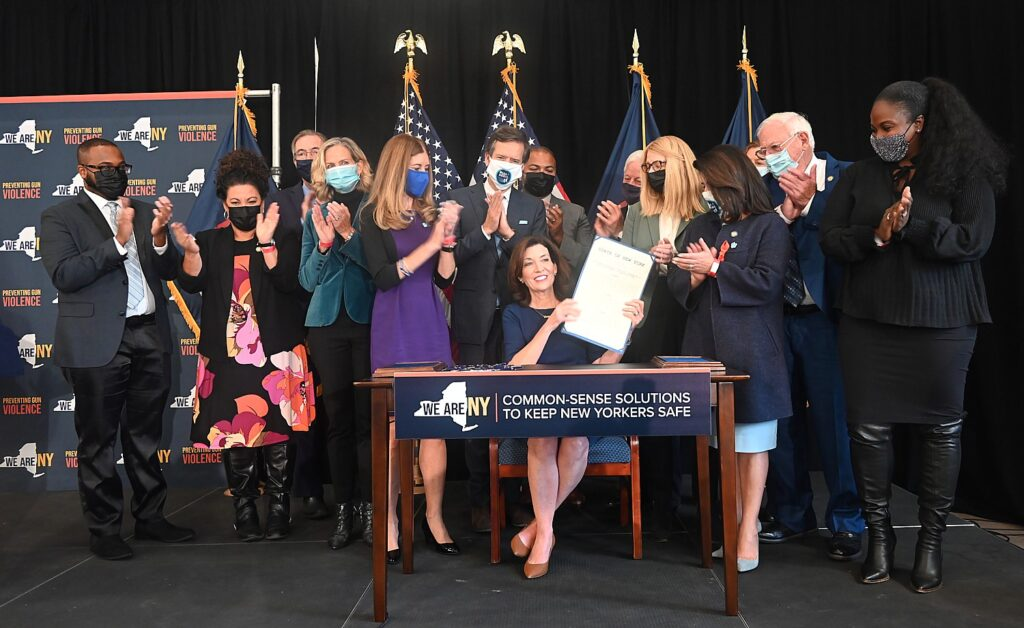
Governor Kathy Hochul announced the launch of a statewide public service announcement (PSA) campaign to promote secure firearm storage and raise awareness about safe storage options and how to prevent firearm misuse. Led by the New York State Office of Gun Violence Prevention (OGVP) within the Division of Criminal Justice Services and developed in partnership with Brady: United Against Gun Violence and the Ad Council, the campaign is part of New York’s comprehensive approach to strengthening public safety and reducing firearm deaths and injuries.
Meanwhile, trump gleefully follows through on his promise to be the best president the gun lobby ever had, and rolls back even the modest gun violence protection measures instituted by President Joe Biden and pushes to restore the gun show loophole, allow those adjudicated mentally impaired to have guns, restore the ability to mail guns through the mail, and challenge state gun control laws in court, while also withholding federal funds for community violence prevention. (New York had to revise its century-old gun control laws after the Supreme Court overturned it.)
“New York continues to make historic progress reducing gun violence and making our communities safer,” Governor Hochul said. “At the same time, we know too many firearm tragedies happen in homes and involve family members, children and loved ones. This public education campaign will empower gun owners with information and resources on how to securely store their firearms, helping protect their families and prevent needless injuries and deaths.”
The $1 million End Family Fire New York PSA campaign will connect New Yorkers with secure firearm storage information through online and traditional platforms, including social media, out-of-home, radio and television, and a New York-specific End Family Fire website. The campaign was developed in collaboration with OpAD Media, which is supporting strategic media placement and outreach efforts. Campaign advertising and outreach will continue through February 2027. According to Brady, the presence of a firearm in a home increases the risk of suicide more than three-fold, and nationally, more than 300 children unintentionally shoot themselves or someone else each year. Approximately seven million children live in homes with access to an unsecured firearm. Securely storing guns unloaded, locked and separately from ammunition is proven to prevent these tragedies.
New York is the fifth state to partner with Brady and the Ad Council on the End Family Fire campaign. Since its national launch in 2018, the campaign has helped drive over three million viewers to seek out more information on safe firearm storage nationwide and has demonstrated success increasing secure firearm storage practices among gun owners, with almost 60 percent who saw the ads changing how or where they keep their firearms in order to store them in a safer manner.
New York State Division of Criminal Justice Services Commissioner Rossana Rosado said, “A message can save a life if it reaches the right person at the right time. Through this campaign, we’re bringing the safe firearm storage message to communities across New York and giving families the information they need to prevent tragedies before they happen. Every conversation, every reminder and every firearm securely stored is an opportunity to protect a loved one.”
New York State Office of Gun Violence Prevention Director Calliana Thomas said, “Families take simple steps every day to keep their loved ones safe, from buckling seat belts to locking doors at night. Safe firearm storage is another important way to reduce risk and help prevent tragedy. By storing firearms unloaded, locked and separate from ammunition, gun owners can help prevent unintentional shootings, children gaining access to firearms and suicide. Through this campaign, we’re providing New Yorkers with practical information and resources to help keep families and communities safe.”
Brady President Kris Brown said, “We applaud New York for launching the End Family Fire public education campaign and for investing in a proven strategy to prevent firearm-related tragedies before they happen. Gun owners across the state want to keep their loved ones safe, and this campaign provides practical information proven to prevent unintentional shootings, youth access to firearms and suicide. By putting education and awareness first, New York is taking a meaningful step that will prevent heartbreak, protect families and save lives.”
New York State Department of Veterans’ Services Commissioner Dr. Viviana M. DeCohen said, “Secure firearm storage is a practical, responsible step that can help protect Veterans, Service Members, families, and communities. Clear information, such as the guidance provided through this campaign, is critical to helping New Yorkers understand safe storage options and take steps that can prevent moments of crisis, accidental injury and heartbreaking loss. This effort aligns with our Department’s ongoing commitment to supporting the well-being of All Who Served and the families who stand beside them. We are grateful to Governor Hochul for her leadership and commitment to advancing prevention efforts that help keep New Yorkers and their loved ones safe.”
New York State Health Commissioner Dr. James McDonald said, “I thank Governor Hochul for her leadership in improving public safety and reducing firearm deaths and injuries. To avoid firearm misuse, practice safe storage practices which include unloading and locking your firearm before storing and keeping ammunition in a separate location. This campaign will remind New Yorkers that secure firearm storage can end family fire and save lives.”
New York State Office for the Prevention of Domestic Violence Executive Director Kelli Nicholas Owens said, “Safe storage is an important safety practice to prevent accidental tragedies. It is another tool in New York’s nation-leading toolbox to prevent gun violence. At the same time, Governor Hochul has always recognized that responsibility for domestic violence rests with the person who chooses to harm their partner. New York continues to find innovative ways to support survivors, including removing guns from domestic violence abusers. Thank you, Governor Hochul, for your commitment to protecting all New Yorkers from gun violence.”
Data from the Division of Criminal Justice Services shows an 18 percent decrease in shooting incidents with injury in communities participating in the state’s Gun Involved Violence Elimination (GIVE) initiative during the first five months of 2026 compared to the same time last year. There also were 164 fewer individuals shot, a 20 percent drop (164 vs. 204), and a 49 percent decline in firearm-related murders (21 vs. 41). The GIVE initiative currently provides $36 million for equipment, overtime, and personnel, as well as comprehensive, focused training and technical assistance, to 28 participating police departments and their county law enforcement partners: district attorneys’ offices, probation departments and sheriffs’ offices. These police departments are on the front lines of fighting gun violence outside of New York City and account for roughly 90 percent of violent crimes involving firearms and 85 percent of all violent crime reported outside the five boroughs.
The Division of Criminal Justice Services provides critical support to all facets of the state’s criminal justice system, including, but not limited to: training law enforcement and other criminal justice professionals; overseeing a law enforcement accreditation program; ensuring Breathalyzer and speed enforcement equipment used by local law enforcement operate correctly; managing criminal justice grant funding; analyzing statewide crime and program data; providing research support; overseeing county probation departments and alternatives to incarceration programs; and coordinating youth justice policy. Follow DCJS on Facebook, Instagram, and LinkedIn.
Brady: United Against Gun Violence is the nation’s oldest gun organization working to free America from gun violence. We believe that changing laws alone won’t end our nation’s gun violence crisis; we must also change hearts and minds. That’s why we take a comprehensive approach to end this epidemic: change the laws, change the gun industry and change the conversation about guns in America. Visit bradyunited.org to take action today.
The Ad Council convenes creative storytellers to educate, unite and uplift audiences by opening hearts, inspiring action and accelerating change. For more than 80 years, the nonprofit organization and its partners in advertising, media, marketing and tech have been behind some of the country’s most iconic social impact campaigns — Smokey Bear, Friends Don’t Let Friends Drive Drunk, Tear the Paper Ceiling and many more. To learn more or get involved, visit AdCouncil.org, join the Ad Council’s communities on Facebook, Instagram and LinkedIn, and view campaign creative on YouTube.
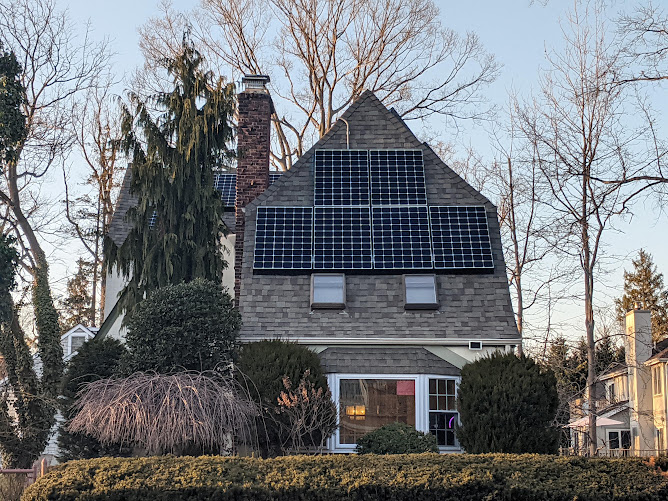
As the United States has reached a point where data centers powering Artificial Intelligence consumer more electricity than is currently produced by the nation and the trump administration continues to block and overturn clean, renewable energy projects, Governor Kathy Hochul announced eight gigawatts (GW) of distributed solar has been installed across New York State, which puts the state ahead of schedule for reaching 10 GW by 2030. This substantial growth in the distributed solar market has generated approximately $12.2 billion in private investment across New York and provided more than 16,000 jobs statewide and is enough energy to power more than 1.3 million homes and businesses across the state – including those in disadvantaged communities.
“New York continues to set the bar high as we mark another milestone for solar within our communities across the state,” said Governor Kathy Hochul. “This is low-cost, reliable clean energy that is delivering cost savings for families and businesses while expanding the availability of renewable energy which benefits our environment, our economy and contributes to New York’s diverse energy resource mix.”
With eight GW of distributed solar in New York, which is underpinned by community solar and the state’s signature NY-Sun Program, there is enough energy to power more than 1.3 million homes and businesses across the state – including those in disadvantaged communities. Currently, there are more than 276,000 projects operating across the State, with another 2.7 GW in development. Solar can be built more quickly than other types of energy infrastructure. Community solar projects expand access to clean energy by allowing households and businesses to benefit from solar power without needing to put panels on their own property.
New York State Energy Research and Development Authority President and CEO Doreen M. Harris said, “New York is home to 35 percent of the nation’s community solar generation – securing its position as the top community solar market in the country. Solar energy is one of the most reliable contributors to our state’s grid and by producing energy during peak load periods, it lowers energy costs for all New Yorkers, not just those participating in community solar.”
Public Service Commission Chair and CEO Rory Christian said, “We are seeing the benefits of New York’s solar assets in real time. Solar is reducing the strain on our electric grid, while providing significant reliability benefits especially during periods of peak demand. The milestone we are celebrating today is a win for affordability and clean energy for all New Yorkers.”
Last summer, solar generation helped save New Yorkers an estimated $90 million by lowering demand on the electric grid during periods of peak electricity use. More recently, on June 3, 2026, New York set a new solar generation record when solar supplied approximately 29 percent of statewide electricity demand during the noon hour, demonstrating the growing role solar plays in providing low-cost, reliable clean energy across the state.
After achieving its original six-gigawatt distributed solar target a year ahead of schedule in 2024, New York installed a record-breaking 1.28 GW of solar in a single year in 2025. And through its Statewide Solar For All Program, New York continues to be a model for other states by allowing renters, low-income residents and others who cannot install their own panels to participate in and benefit from solar energy. Additionally, under Governor Hochul’s leadership, $200 million was secured in New York’s Fiscal Year 2027 Budget to help further expand New York’s solar success and continue to improve energy affordability for all New Yorkers.
State Senator Pete Harckham said, “Today’s announcement that eight gigawatts of distributed solar have been installed across New York is great news and further assurance that we are on the right path toward a clean energy future. I thank Governor Hochul for her support of important solar initiatives in the new State Budget, including $200 million for NY-Sun, a program which will make solar projects more affordable to all New Yorkers, and solar connectivity modernization to be overseen by the Public Service Commission, another cost-saving measure. There are brighter days ahead for renewable energy here in New York!”
Assemblymember Didi Barrett said,Distributed solar is a win-win-win — lowering New Yorkers energy costs, creating good-paying union jobs, and reducing emissions — and reaching 8 GWs ahead of schedule is a testament to New York’s continued commitment to expanding clean, affordable energy. I’m proud that this year’s budget included key provisions of my ASAP Act and $200 million for the NY-Sun program, which will cut red tape and unlock even more solar projects throughout the state.”
Assemblymember Deborah Glick said, “New York’s solar programs are a tremendous success, enabling more New Yorkers to shift to clean, sustainable energy while saving money on utility bills. Thank you to Governor Hochul for investing in solar energy, making it more accessible for all and allowing us to decrease our reliance on fossil fuels, reduce demand on the electric grid, all while providing jobs and improving the environment.”
New York Solar Energy Industries Association Executive Director Noah Ginsburg said, “Rooftop and community solar are lowering New Yorkers’ utility bills, powering the economy, and supporting communities all across the Empire State. Today’s 8-gigawatt announcement demonstrates New York’s continued commitment to deploying clean, affordable, local power. On behalf of New York’s solar and energy storage industry and our 18,688-strong local workforce, NYSEIA congratulates Governor Hochul, the Legislature and the many public and private sector leaders who had a hand in achieving this milestone.”
Coalition for Community Solar Access Northeast Regional Director Kate Daniel said, “Congratulations to Governor Hochul, NYSERDA and all New Yorkers for reaching this impressive milestone. 8 GWs of distributed solar are now working to lower energy costs for all New Yorkers and playing a critical role in keeping the grid reliable. It’s incredibly timely, as temperatures and electric demand climb higher every day. We look forward to continued progress in the nation’s top state for community solar, as we unlock the next several GWs of fuel-free, low-cost, local energy.”
New York’s NY-Sun Program provides incentives to make solar more affordable and accessible to homes, businesses and communities while lowering their energy costs and providing improved efficiency and reliability to New York’s electric grid. Governor Hochul allocated $200 million in New York’s Fiscal Year 2027 budget for NY-Sun which will help to expand New York’s solar success and continue to improve energy affordability for all New Yorkers.
The Statewide Solar For All Program, which was initiated by the Public Service Commission in 2024 and is part of NY-Sun, is designed to automatically lower bills for low-income New Yorkers, including those that live in a disadvantaged community and are enrolled in the Energy Affordability Program. Statewide Solar for All provides eligible low-income households with free electricity bill savings by sharing the discounts generated from community solar projects.
New York State’s Climate Agenda New York State’s climate agenda calls for an affordable and just transition to a clean energy economy that creates family-sustaining jobs, promotes economic growth through green investments, and directs a minimum of 40 percent of the benefits to disadvantaged communities. New York is advancing a suite of efforts to achieve an emissions-free economy, including in the energy, buildings, transportation, and waste sectors. The State is also working to disburse the historic $2 billion Sustainable Future Program, which will deliver targeted funding to lower emissions, reduce household energy costs, and spur green job growth.
Lawsuit Seeks To Ensure Local, State and Federal Officers Comply with New State Laws, Including Requirement that Officers Remain Identifiable During Public Operations
Law Enforcement Officers, Immigration Advocates and Community Leaders Join Governor Hochul in Defending New York’s Commonsense Laws To Increase Transparency and Ensure Local Resources are Being Used for Local Crimes
Governor Kathy Hochul, together with Attorney General Letitia James and a coalition of law enforcement, immigration and community leaders, announced the state is suing the Trump Administration to protect newly passed state laws that establish critical accountability measures related to immigration and law enforcement operations in New York.
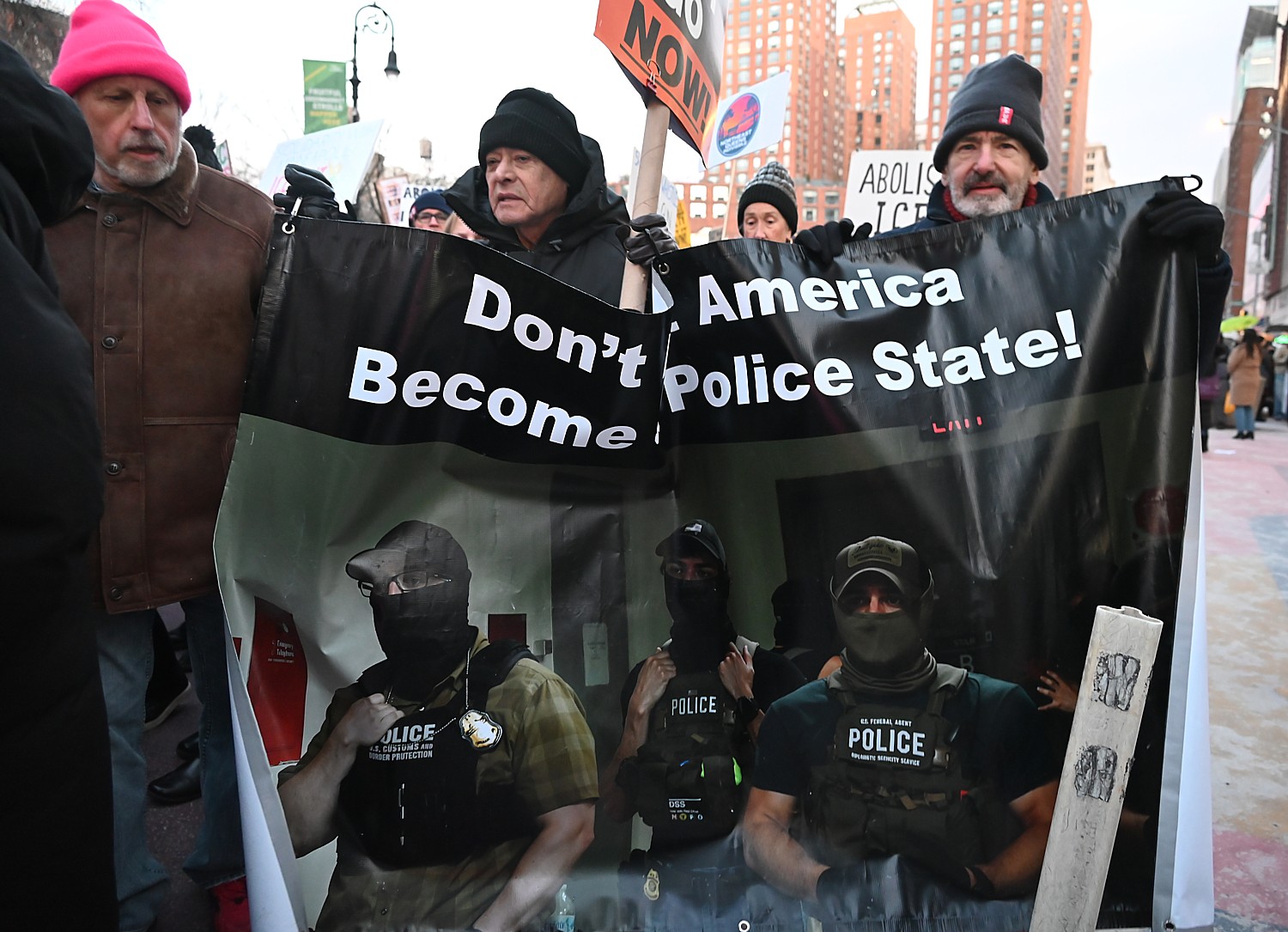
The lawsuit comes at the same time as the Trump Administration’s latest attack on the legislation that prohibits local, state and federal law enforcement officers from concealing their identities with masks while interacting with the public and ensures that local law enforcement can remain focused on community safety priorities. The complaint, filed by the Attorney General at the Governor’s request, asks the court to affirm the legality of these laws and prevent the Trump Administration from interfering with New York’s authority to protect public safety, promote transparency and govern the use of state and local resources.
(Meanwhile, the Trump Department of Justice announced it would withhold anti-terrorism funds from states that do not comply with Trump’s illegal voter suppression actions. The DOJ issued sweeping letters to election officials threatening criminal prosecution if noncitizens remain on voter rolls, the specific threat to withhold counterterrorism funds is primarily being enforced by the Federal Emergency Management Agency (FEMA).)
“In New York, we believe in public safety, accountability and trust between law enforcement and the communities they serve,” Governor Hochul said.“These commonsense policies ensure that law enforcement operating in New York carry out their duties openly and transparently without intimidation or concealed identities. New York stands firmly behind these laws — and we will defend them every step of the way.”
Masked federal immigration officers have flooded communities across the country as part of the federal government’s mass deportation agenda. These officers have often failed to clearly identify themselves to the public while carrying out enforcement operations, sowing fear, undermining public trust and increasing the risk that bad actors could impersonate law enforcement officers. Across the country, the use of masked and unidentified agents has made it harder for residents to know who is acting under color of law, report misconduct and seek accountability when officers abuse their authority.
New York enacted a comprehensive immigration protection package to address this growing threat and protect the rights of New Yorkers during federal immigration enforcement operations. One of the laws, set to take effect this Friday, prohibits local, state and federal law enforcement officers from concealing their identity with masks while interacting with the public and requires all officers to display clear identification. The Local Cops, Local Crimes Act, another measure in the package, prohibits local governments and law enforcement agencies from entering into 287(g) agreements or similar arrangements that use local resources to detain people for federal immigration violations. This provision ensures that New York’s local law enforcement resources are directed toward local public safety priorities, rather than the federal government’s mass deportation agenda.
On June 22, 2026, the Trump Administration sued New York State to prevent these laws from taking effect. New York has a sovereign right under the Tenth Amendment to enact laws that protect public safety, promote transparency and regulate conduct within its borders. Governor Hochul and Attorney General James assert that the new laws establish basic public safety and transparency requirements for law enforcement officers operating in New York and protect the state’s authority to decide how state and local resources are used.
Governor Hochul and Attorney General James are asking the court to declare that the Trump Administration’s efforts to prevent enforcement of the state’s new immigration protections violate the Tenth Amendment. They are also asking the court to block the administration from taking any action to prevent enforcement of the laws.
New York Attorney General Letitia James said, “New York has the sovereign right to pass laws that protect public safety and transparency for all New Yorkers. Law enforcement officers operating in our communities should be clearly identifiable, and local resources should be used to address local public safety needs. My office will defend these commonsense protections and New York’s authority to enforce them.”
New York Immigration Coalition President and CEO Murad Awawdeh said,“There is no New York without immigrant communities, and New York State took decisive steps to protect our communities from ICE terror and to defend our collective rights. The new State laws are particularly vital at a time when the Trump Administration is using violent and unlawful tactics in New York and across the country to create fear in our communities. The Tenth Amendment of the U.S. Constitution guarantees New York State’s self-determination, which cannot be undermined by the Trump administration’s bullying tactics or threats. It is imperative that the U.S. District Court for the Northern District of New York upholds the right of New York State to enact its own laws to govern New Yorkers, and sides with its lawful efforts to protect every single New Yorker who calls our state home.”
Queens District Attorney Melinda Katz said,“As District Attorney, I know that effective public safety depends on strong partnerships between law enforcement and the communities they serve. Local law enforcement must remain focused on addressing local public safety concerns and strengthening relationships within their communities, rather than serving as contractors for other agencies. When residents trust that law enforcement is acting fairly and with transparency, they are more likely to report crimes, cooperate with investigations and help keep their neighborhoods safe. Thank you to Governor Kathy Hochul and Attorney General Letitia James for their focus on maintaining that trust to help us effectuate public safety.”
State Senator Zellnor Myrie said,”With our civil rights under attack and our immigrant neighbors facing unprecedented threats from the Trump Administration, I’m proud that New York is stepping up with some of the strongest protections in the nation. State and local law enforcement are here to keep our communities safe — not to act as foot soldiers for Trump’s agenda. I’m grateful to our Attorney General and Governor for their defense of these laws and our entire immigration protection package that will keep our state safe, fair and welcoming to all.”
Long Island Hispanic Bar Association President Maribel Gomez said, “The Long Island Hispanic Bar Association recognizes that law enforcement officers often perform difficult and many times dangerous work. However, when a person’s liberty and constitutional rights are at stake, such as during a law enforcement interaction, the public has a right to know who is exercising authority over them. We thank Governor Hochul for standing with New York’s immigrant communities at a time when so many are living with uncertainty and fear as a result of sweeping immigration enforcement. Her efforts to protect transparency and accountability help ensure that all New Yorkers are treated fairly and with respect.”
Hispanic Federation President and CEO Frankie Miranda said, “For over a year and a half, we have seen the havoc that federal agents have caused on communities across the country — empty classrooms, small businesses permanently closed and parents torn away from their children. The slew of enacted immigration protections passed through the New York State budget was essential in preventing unconstitutional, harmful federal actions that hurt everyone, regardless of immigration status. The Hispanic Federation commends Governor Hochul and Attorney General James for continuing to stand up against this egregious federal overreach and working to keep New Yorkers safe.”
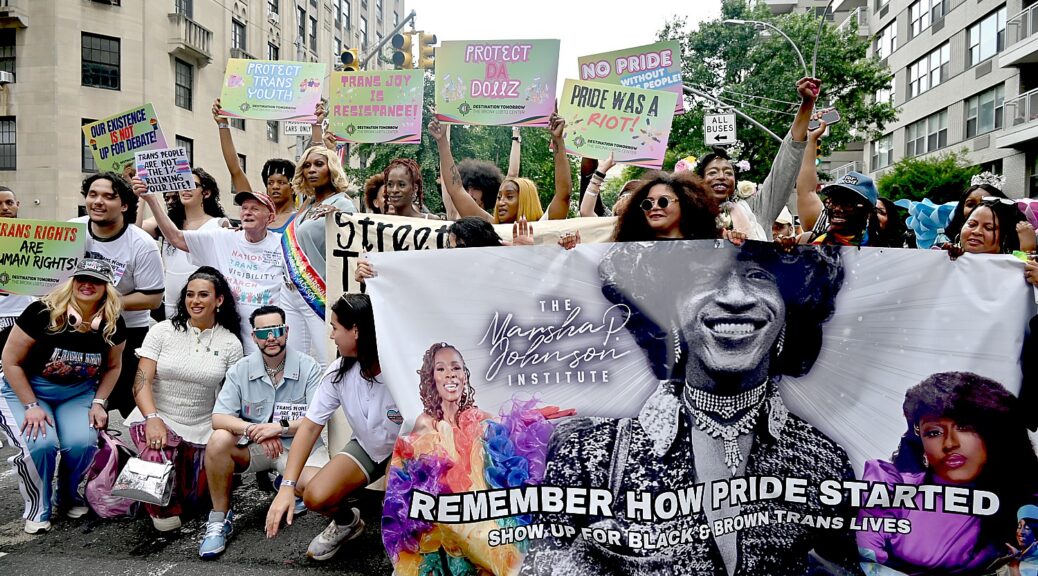
Some 75,000 NYC Pride marchers representing 695 groups were cheered on by an estimated 2 million people. The biggest and longest-running Pride demonstration in the United States and one of the biggest in the world, The NYC Pride March 2026 was themed “For All of Us,” inspired by a quote from legendary Stonewall veteran Marsha P. Johnson, “There is no pride for some of us without liberation for all of us”.
“As Pride events face economic and political threats around the world, it’s vital that those local LGBTQIA+ populations in Arkansas, Florida, Oklahoma, and more still have safe spaces to discover and celebrate their community,” stated NYC Pride | Heritage of Pride, a world leader in LGBTQIA+ Pride organizing. “This year’s theme seeks to welcome LGBTQIA+ individuals everywhere to join us as we honor the legacy of the very first NYC Pride March in 1970, which commemorated the one-year anniversary of the Stonewall Uprising.
“LGBTQ+ Pride events are under attack around the world, but NYC is determined to march on,” said Im Lynde, NYC Pride Executive Director. “We invite our LGBTQIA+ community from near and far to join us in the birthplace of Pride as we continue the fight for LGBTQIA+ equality – for all of us.”
Grand Marshals for the 2026 NYC Pride March included Dominique Jackson, Peppermint, Bernie Wagenblast, Bowen Yang, and Gays Against Guns, which had an enormous contingent.
“Our Grand Marshals have blazed trails and opened doors in entertainment, media, and advocacy,” Lynde said. “Their visibility alone is worth celebrating, but they are fighting for opportunity, support, and safety for our entire LGBTQIA+ community.”
“Organizing the largest Pride March and moment of LGBTQIA+ visibility in the country is a responsibility we take deeply seriously. In our work, we always seek to center the most vulnerable among us to provide a platform for advocacy for every member of our community that galvanizes progress, while welcoming protest and further advocacy for the work that needs to be done.
“These attacks seek to divide our community. But, in the spirit of our theme this year, For All of Us – from the movement rallying cry: “no pride for some of us, without liberation for all of us” – we will keep fighting for liberation for every member of our community. To find justice. To live authentically. To have access to the quality healthcare we deserve. And for a future in which every LGBTQIA+ person can thrive with dignity, safety and opportunity.”
The march included a large number representing health, hospitals and human services.
“Many of our March contingents, including those of local hospitals and healthcare systems, are driven by the organization’s LGBTQ+ groups, not the leaders making system-wide decisions,” the organizer stated. “And by keeping these partners at the table, we can use our relationships to hold them accountable, advocate for the underrepresented and marginalized and propel progress. We have had and continue to engage in productive, advocacy-focused conversations with these institutions about their approach to providing the affirming care trans youth need.”
Governor Kathy Hochul atPride March, NYC, June 28, 2026, announces expanded initiatives to support the LGBTQ+ community (Photo: Governor’s Office)
New York State Governor Kathy Hochul, who marched in the parade, took the occasion to also announce several expanded initiatives designed to increase support for LGBTQ+ New Yorkers, including additional investments to support LGBTQ+ youth and transgender, non-binary, and gender non-conforming communities (TGNCNB). This year’s enacted budget included an investment of $1.8 million to provide LGBTQ+ youth with specialized crisis counseling and train local 988 crisis counselors on the concerns of LGBTQ+ youth, ensuring access to lifesaving services when the Trump administration defunded the Suicide & Crisis Lifeline’s LGBTQ+ Youth Specialized Services program.
“New York is the birthplace of the LGBTQ+ movement, and I could not be prouder of that,” Governor Hochul said. “When there are assaults on LGBTQ+ rights all across America, New York will not sit on the sidelines. We will always stand hand-in-hand with our LGBTQ+ community and continue our fight for equality because feeling safe is a human right. We stand for those rights today, and we’ll always keep fighting for those rights in the future.”
Building on this support, the enacted budget also included $500,000 to develop a statewide LGBTQ+ legal hotline and resource website to provide free legal advice and community resources to LGBTQ+ New Yorkers being targeted by legal and policy attacks from the current federal administration.
To further address the needs of transgender, gender non-conforming, and non-binary New Yorkers, funding for the Lorena Borjas Transgender and Non-Binary Wellness and Equity Fund increased by half a million dollars, bringing the total of the fund to over $16 million, the largest fund of its kind in the nation.
New York stands on a strong foundation of LGBTQ+ history and activism against the federal government’s efforts to dismantle years of civil rights progress and advocacy. Earlier this year, when the federal government attempted to target and erase this history by removing the Pride Flag from Stonewall National Park, Governor Hochulsuccessfully fought back and amplified the history of the Stonewall Uprising.
As a national leader in advocating for LGBTQ+ rights, Governor Hochul continues to ensure that New York is a safe and inclusive home for LGBTQ+ New Yorkers. Since taking office, the Governor has championed legislation to make New York a safe haven for LGBTQ+ youth and signed the Shield Law 2.0 to offer greater protections.
To expand on this work, the Governor’s Office of LGBTQ+ Affairs is currently accepting requests for workshop proposals for the 2026 LGBTQIA+ Convening, which will occur on Tuesday, September 15, 2026, in Albany, New York, at the Empire State Plaza Concourse. This annual event, entering its fifth year, brings together policymakers and government officials from across state agencies to hear directly from advocates about the most pressing needs facing our state’s LGBTQ+ community and learn about proposed efforts New York State could take to meet those needs.
Pride is about celebrating the right to live openly, visibly and freely as your authentic self without discrimination, oppression or judgement,” State Assemblymember Harry Bronson said. “As the birthplace of the LGBTQ+ rights movement and home to Stonewall Monument, New York has a proud record of not only defending human rights but advancing them. Despite attacks against our LGBTQ+ community from other states and at the federal level, especially against our trans, gender nonconforming and non-binary siblings, New York will always fight for human rights for all. We secured many victories this year to enable people to live authentically and openly – including Shield Law 2.0, funding for LGBTQ+ youth crisis hotline with training for 988 crisis counselors, and critically, ensured that TGNCNB New Yorkers have the resources and support to live safely and freely. There is still more work to be done, and together, we will continue the fight to increase equity, opportunity, and justice for all.”
State Senator Erik Bottcher said, “It is always an incredible privilege to celebrate Pride with hundreds of thousands of New Yorkers marching through our streets in celebration of love and authenticity. I am especially honored to represent the district that is home to the Stonewall Inn — the birthplace of the modern LGBTQ+ civil rights movement. The Stonewall Inn serves as a daily reminder that progress is never guaranteed and that every generation has a responsibility to defend it. Pride is both a celebration of how far we’ve come and a call to action. At a time when transgender youth and LGBTQ+ communities are facing relentless attacks across the country, New York must continue to lead with courage and compassion. I’m grateful to Governor Kathy Hochul for reaffirming that commitment through new investments in LGBTQ+ youth mental health services, expanded support for transgender and non-binary New Yorkers, and stronger legal protections for our community. Together we are sending a clear message: New York is a place where everyone belongs, and we will never stop fighting for equality.”
State Assemblymember Jessica González-Rojas said,”At a time when LGBTQIA+ communities, especially transgender, non-binary, and gender non-conforming New Yorkers, are facing relentless attacks from the federal government, New York is sending a clear message: you belong here, and we will fight for you. These investments are more than budget lines, they are lifelines. By restoring specialized crisis services for LGBTQ+ youth, creating a statewide legal hotline, and expanding the Lorena Borjas Transgender and Non-Binary Wellness and Equity Fund, we are ensuring our communities have the support, protection, and dignity they deserve. I appreciate Governor Hochul’s commitment to advancing these critical investments, and for recognizing that our safety, health, and humanity are not up for debate. We will continue working together to ensure every LGBTQIA+ New Yorker can live openly, safely, and with the resources they need to thrive.”
“The LGBTQ+ community is under attack across the country. It is our duty as New Yorkers and Americans to go above and beyond to be a sanctuary where all people can be free from persecution, have access to healthcare, and can afford to live. That is what we march for and we will never stop fighting for,” Assemblymember Tony Simone said.
To further showcase support for the LBGTQ+ community, Governor Hochul announced State landmarks would be illuminated from June 28 through 30.
As the birthplace of the modern LGBTQ+ rights movement, New York State extends a year-round invitation to LGBTQ+ travelers through the New York State Division of Tourism at Empire State Development. Created in 2012, the I LOVE NY LGBTQ+ initiative promotes events and destinations across the state, anchoring this season’s travel with a statewide calendar of more than 100 Pride celebrations. More information, including travel guides and blogs, is available at iloveny.com/lgbtq.
Here are more photo highlights from NYC’s Pride March, June 28, 2026:
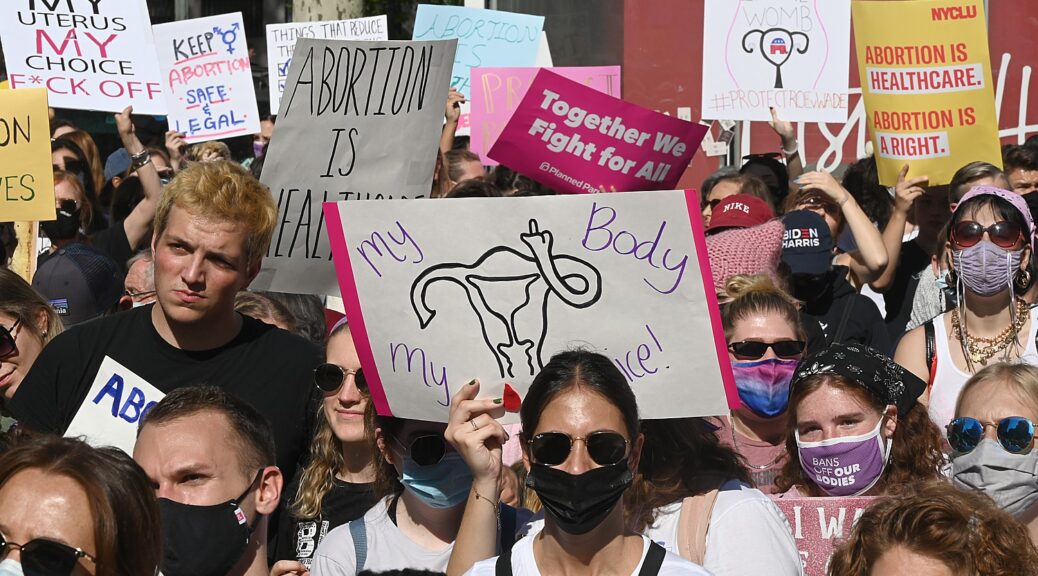
Today, on the anniversary of the Supreme Court’s decision in ‘Dobbs v. Jackson Women’s Health Organization’, which sharply restricted access to abortion nationwide, Governor Kathy Hochul and Mayor Zohran Kwame Mamdani announced that the New York State Department of Health and the NYC Department of Health and Mental Hygiene are investing $495,000 to expand theNew York City Abortion Access Hub’s referral network. The expansion will allow the Hub to connect callers with a broader network of abortion providers and support organizations outside the five boroughs, helping more people access reproductive health care regardless of where they live.
“As we commemorate four years since the Supreme Court’s disastrous Dobbs decision, New York is sending a clear message to the rest of the country: We’re not going to let Washington Republicans take us backwards,” Governor Hochul said.“Thanks to our support, we are expanding the reach of this vital resource so more people have access to safe reproductive health care.”
New York City Mayor Zohran Kwame Mamdani said,“Four years ago, the disastrous Dobbs decision stripped away a fundamental right and put reproductive health care out of reach for millions of Americans across this country. Since then, New York has led the fight to protect abortion care. On this anniversary, we are expanding the successful Abortion Access Hub so that anyone seeking care can more easily find it. Together with New York State, we are strengthening a lifeline that connects people to abortion care, medication, transportation, lodging and support. Because abortion is health care. And health care is a human right.”
New York State Health Commissioner Dr. James McDonald said,“New York State will continue to fight to protect access to abortion care and reproductive healthcare for anyone in need of these vital services, despite ongoing politically motivated efforts to remove these hard-fought rights. Our partnership with New York City and the expansion of the Abortion Access Hub enables New York State to further protect these fundamental rights and remain a safe harbor for anyone seeking care.”
Deputy Mayor for Health and Human Services Dr. Helen Arteaga said,”The importance of safe, accessible abortion care cannot be overstated, especially as states across the country continue to attack reproductive freedom. The people most harmed by these restrictions are often those already facing the greatest barriers to care — including low-income communities and communities of color. This expansion will help ensure that thousands more people can access the services they need with dignity and support.”
New York City Health Commissioner Dr. Alister Martin said,“Reproductive healthcare remains under attack across the country, but New York City and State are unwavering in our commitment to protecting and uplifting access to care for anyone in need. Despite robust protections, too many people still face barriers to care. On the anniversary of the Supreme Court’s disastrous Dobbs decision, I’m proud to work with our partners across the state to reduce the burden for more New Yorkers.”
New York State’s annual investment of $250,000 will support the Hub’s coordination with abortion providers outside New York City and organizations that assist patients with travel, financial support and lodging associated with obtaining care.
Under Governor Hochul’s leadership, New York State has authorized millions of dollars to protect and expand access to reproductive health care. Through the Supplemental Abortion Provider Support Program and the Reproductive Freedom and Equity Grant Program, the state has provided funding to clinics and providers offering abortion and reproductive health services across New York.
NYC Abortion Access Hub
The NYC Abortion Access Hub is a confidential hotline that connects callers to abortion care and related services, including financial assistance, insurance enrollment, transportation and lodging. The Hub was launched in response to the Dobbs decision.
Since its launch, the Hub has answered more than 10,400 calls and nearly 5,000 live chat messages. More than half of callers seek medication abortion services, while one-quarter of calls come from outside New York state. Among out-of-state callers, the largest shares come from Florida (35 percent), Texas (27 percent) and Georgia (15 percent), where abortion access is heavily restricted.
Most callers are younger than 30 years old (60 percent). Nearly half identify as Latino (47 percent), nearly one-quarter identify as Black (24 percent), and most report annual household incomes below $25,000 (59 percent).
NYC Sexual Health Clinics
In addition to direct referrals to independent providers, the Hub connects callers toNYC Sexual Health Clinics, which offer no-cost medication abortion, contraception and on-site pregnancy testing at four sites. More than 60 percent of clinic patients receive same-day care, and services are provided regardless of immigration status or ability to pay. Additional services offered by the clinics include birth control, emergency contraception, pap smears, and onsite iron level tests for potential medication abortion patients.
The new partnership between State and City health departments will allow the Hub to engage a broader network of providers and expand referral options statewide.
Trump Administration Set to Illegally Pay TotalEnergies $795 Million to Abandon Wind Lease off the Coast of New York and Invest in Fossil Fuels in Texas
Canceled Project Would Have Saved New Yorkers $10 Billion in Energy Bills and Brought More Than 1,700 Jobs to the State
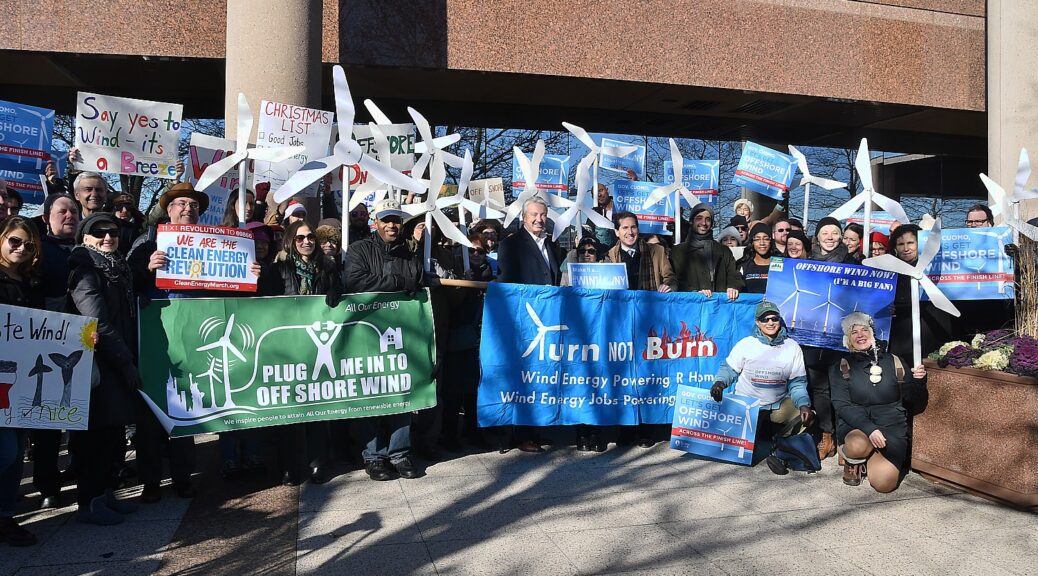
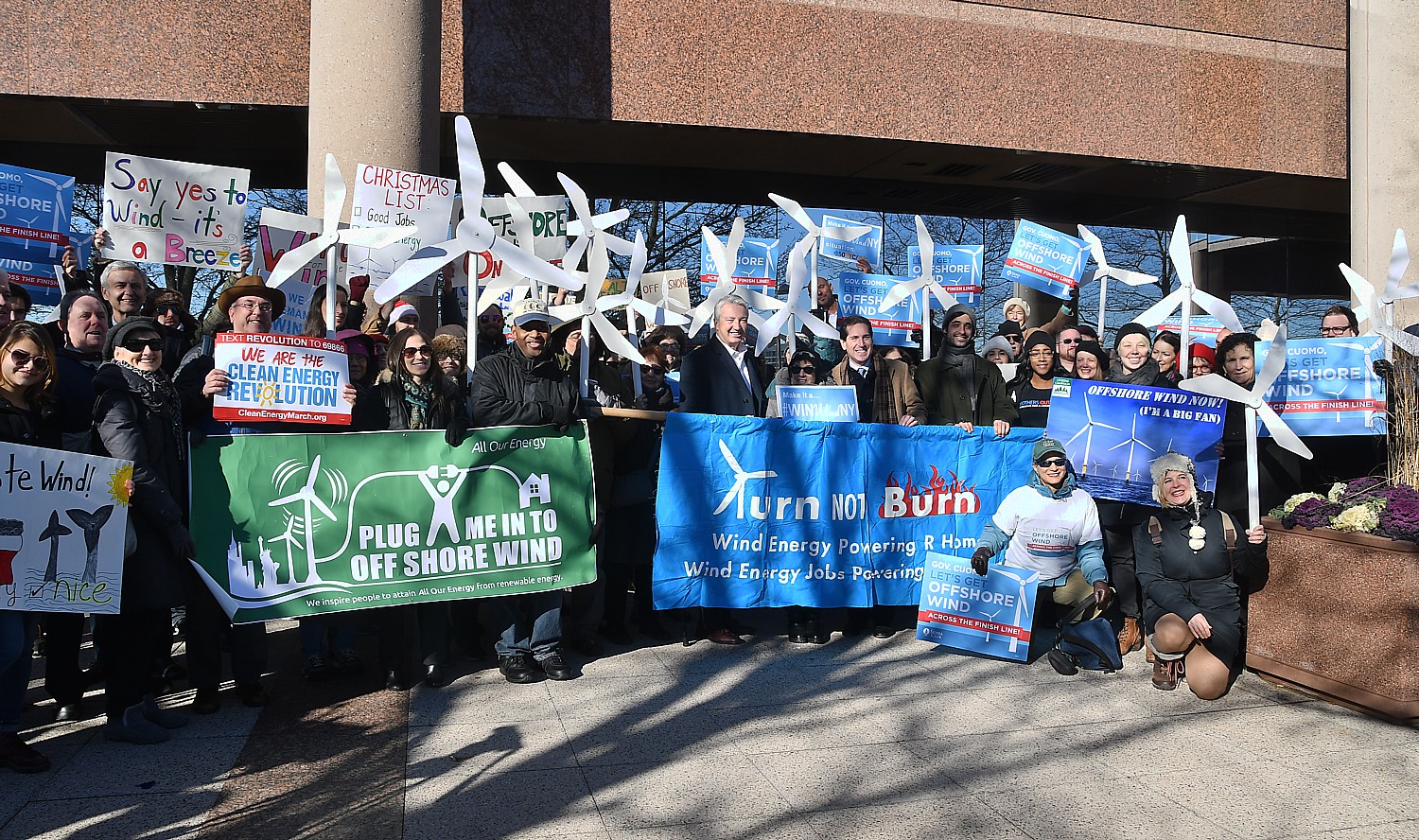
Governor Hochul and New York Attorney General Letitia James today announced that New York is leading a coalition of six other attorneys general in suing the Trump administration over its unlawful cancellation of a major offshore wind lease off the coast of New York.
In March 2026, after a string of court losses in its crusade against wind energy, the administration struck a deal with TotalEnergies, a French energy company, to cancel two offshore wind leases and pay the company nearly $1 billion in taxpayer dollars. In exchange, TotalEnergies agreed to walk away from offshore wind, invest hundreds of millions of dollars in oil and gas projects, and pledge not to develop any new offshore wind projects in the United States. TotalEnergies subsidiary Attentive Energy would have developed the New York lease, and the project was expected to deliver clean energy directly to New York City, power more than 700,000 New York homes, and generate billions of dollars in benefits for New Yorkers. Attorney General James and the coalition argue that the deal is blatantly unlawful and are asking the court to strike it down.
“This pay-not-to-play scheme pressuring a foreign company to forego planned offshore wind projects in America in favor of gas and oil drilling is an outrageous abuse of taxpayer dollars that hurts our ability to meet our energy needs, create good jobs, and help secure American energy independence while reducing emissions,” Governor Hochul said. “Attorney General James and I will continue to aggressively fight back against Donald Trump’s overt and never-ending hostility toward offshore wind, including his unlawful use of the most powerful office in the world to get private companies like TotalEnergies to bow to his will.”
New York Attorney General Letitia James said, “The Trump administration is once again trying to kill clean energy projects and destroy good-paying jobs for New Yorkers. After repeatedly losing in court, this administration cooked up a sham deal to pay a foreign energy company hundreds of millions of taxpayer dollars to abandon offshore wind and invest in oil and gas instead. We are fighting back to stop this illegal agreement that threatens to erase over a thousand union jobs and cheat millions of New Yorkers out of clean, affordable energy.”
NYSERDA President and CEO Doreen M. Harris said, “I thank Attorney General James for continuing to fight to protect our offshore wind industry in New York State. Governor Hochul has made it clear that offshore wind is a vital part of our state’s diverse energy portfolio and we remain committed to delivering reliable, affordable energy to all New Yorkers.”
In 2022, Attentive Energy paid $795 million to purchase an offshore wind lease approximately 47 miles off the coast of New York, as part of the highest-grossing competitive offshore energy lease sale in United States history. The lease area was expected to support two projects: Attentive Energy One, which would have delivered energy directly to New York City, and Attentive Energy Two, which would have served New Jersey. The Attentive Energy One project was estimated to deliver $25.6 billion in economic benefits to New York state over its 25-year life, including $10 billion in savings on New Yorkers’ energy bills. The project was also expected to create an estimated 1,716 new jobs in New York.
In March 2026, more than four years after the lease was awarded and with construction plans already under review, the U.S. Department of the Interior (DOI) suddenly announced that it had reached an agreement with TotalEnergies to cancel the Attentive Energy lease and a separate lease off the coast of North Carolina. DOI claimed that new national security concerns justified the cancellation, even though the federal government had already reviewed and approved the lease area after years of analysis and consultation. Under the agreement, TotalEnergies would invest approximately $795 million in fossil fuel projects, while the federal government would unlawfully “reimburse” the company with $795 million from the Judgment Fund, which may be used only to settle claims related to ongoing or imminent litigation. The administration also announced that TotalEnergies had pledged not to develop any new offshore wind projects in the United States.
The Trump administration’s deal with TotalEnergies followed a series of failed attempts to eliminate wind energy development. On his first day in office, the president halted federal approvals for all wind energy projects nationwide. Attorney General James led a coalition in a lawsuit and, in December 2025, secured a final judgment ending the illegal blockade. The administration later attempted to suspend construction on several offshore wind projects, including Empire Wind and Sunrise Wind in New York, on vague national security grounds. Again, Attorney General James sued, and federal courts blocked those suspensions as well.
Attorney General James and the coalition assert that the cancellation of the Attentive Energy projects will harm their states’ economies, energy grids, and climate goals. Offshore wind is a critical part of New York’s plan to meet growing electricity demand, especially in New York City, where Attentive Energy One was expected to deliver power directly. New York’s State Energy Plan projects that electricity demand will continue to rise significantly in coming years, and offshore wind is expected to play a major role in ensuring that the state has enough energy to meet that demand. Canceling the projects also threatens to deprive New York of more than a thousand new, good-paying jobs, infrastructure investment, and long-term economic development.
The attorneys general argue that the Trump administration’s deal violated the Outer Continental Shelf Lands Act, which limits DOI’s ability to cancel offshore wind leases. DOI must hold a hearing, specifically find that continuing the lease would likely cause serious harm to life, property, national security, or the environment, and determine that the benefits of cancellation outweigh the benefits of allowing the lease to continue. DOI did none of that before canceling the Attentive Energy lease. The coalition also argues that the deal violates the Judgment Fund Act because the $795 million payment was not a legitimate compromise settlement in an imminent lawsuit, but rather a contrived arrangement to satisfy the president’s personal opposition to wind energy.
Attorney General James and the coalition are asking the court to strike down the plainly unlawful agreement, vacate the lease cancellation, and stop the administration from taking further action to implement this illegal deal.
Joining Attorney General James in today’s lawsuit are the attorneys general of Connecticut, Maine, Massachusetts, New Jersey, Rhode Island, and Vermont.
Governor Kathy Hochul signed her FY 2027 Budget making New York more affordable, keeping New Yorkers safe and expanding opportunity for all. The Governor delivered sweeping measures to lower costs including putting New York on a path to universal childcare, reducing utility costs and delivering energy rebate checks, and bringing auto insurance rates down for drivers. She also implemented a surcharge on luxury New York City second homes, generating much needed revenue for the City without impacting everyday New Yorkers. Additionally, the Governor continues to build on her unprecedented investments in public safety with more than $900 million in funding, measures to crack down on illegal 3D printed guns, and a nation leading package of immigration protections that keep New Yorkers safe.
“Every proposal included in this Budget was a fight for New Yorkers and their future. Working with my partners in the Legislature, we delivered an ambitious agenda that will lower costs for hardworking families, keep New Yorkers safe and create opportunity for all,” Governor Hochul said. “While Washington continues to make life more difficult for New Yorkers, I’m doing everything in my power to make real, tangible progress on the issues New Yorkers are facing and I will always fight for the people who call this great state home.”
Delivering Universal Childcare
Governor Hochul is putting New York State on a pathway toward universal childcare, beginning with committing to investments that will support the delivery of affordable childcare to up to nearly 100,000 additional children.
The Governor’s landmark investment will increase funding by $1.7 billion bringing the total FY27 investment to $4.5 billion for childcare and prekindergarten services statewide.
These investments will:
Make Pre-K truly universal statewide by making funding available to provide high-quality pre-k seats for all four-year-olds in the State by the start of the 2028-29 school year.
Partner with New York City to launch the Mayor’s signature 2-Care program and finally realize the promise of universal 3K access in New York City.
Support counties in building out New York’s First 3 Program providing high-quality affordable childcare to families across the state regardless of income.
Expand childcare subsidies to tens of thousands of additional families.
Support the workforce through early childhood educator preparation.
Launch an Office of Childcare and Early Education to steer the implementation of high-quality, universal childcare for New York families and will work to enhance awareness of the Child Tax Credit to ensure as many New Yorkers as possible benefit from the Governor’s historic expansion of the program that increased the credit from $330 per child to $1,000 annually for children under four.
Tackling Utility Costs
New Yorkers deserve reliable energy at a price they can afford, which is why Governor Hochul is proposing a sweeping set of reforms to modernize the Public Service Law, demanding strict fiscal discipline from utilities and empowering the State to fight more effectively for lower bills.
In her FY27 Budget, the Governor is putting ratepayers first by:
Issuing one-time $1 billion Protecting Our Wallets Energy Rebate (POWER) checks to help provide needed relief. The POWER program will provide $200 to joint filers with incomes under $150,000 and $150 to joint filers with incomes between $150,000 and $300,000. Tying executive pay directly to customer affordability,
Requiring utilities to present a budget constrained option when requesting a rate increase to ensure efficiency and affordability are prioritized,
Ensuring customers do not foot the bill for hidden costs like lobbying, political contributions and unnecessary executive travel.
Allowing for the installation of an “Affordability Monitor” within any utility company when the average residential bills creep too high.
Modernizing the way utility rate cases are reviewed to help keep prices manageable.
Incentivizing the use of smart thermostats to help reduce energy usage and lower bills.
Establishing the RATES commission, bringing together consumer advocates and energy experts to investigate the root causes of surging utility bills, evaluate utility profits, review energy market designs and recommend actionable, transparent reforms.
Pied-à-Terre Tax on Luxury Second Homes in New York City
Governor Hochul’s Budget includes a pied-à-terre tax, a surcharge that will apply to high-value – $5 million or more – second homes within New York City. The tax ensures that those who own luxury properties as their second homes are still fairly contributing towards the funding of essential services like policing or parks that make New York City a global destination.
Given the complexity of New York City’s property tax system, the pied-à-terre surcharge makes accommodations in the short term transition phase for the ways in which different property types are currently valued in New York City, while ensuring the surcharge is applied fairly and immediately to luxury properties. The proposal is expected to generate at least $500 million a year in recurring revenue for New York City without impacting everyday New Yorkers.
Protecting New Yorkers From ICE Overreach
Governor Hochul has enacted a sweeping set of laws to protect New Yorkers against aggressive federal immigration enforcement as part of the FY27 Enacted Budget.
These new laws will expand protections by:
Prohibiting state, local and federal officers from wearing face covering while interacting with the public.
Prohibiting local governments, state and local police and state and local corrections from entering into 287(g) Agreements or similar agreements with the federal government that allow for state and local law enforcement personnel and facilities to be used for civil immigration enforcement purposes.
Establishing a state law under which New Yorkers can bring a lawsuit against federal, state and local government officials for a violation of their constitutional rights.
Prohibiting the use of state and local civilian agencies and public school resources, including employee time, for immigration enforcement activities.
Prohibiting civilian state, local and school employees (including higher education and K-12) from permitting access to any non-public area of a state-owned or operated facility to immigration authorities without a judicial warrant, meaning any state or municipally owned, or operated facility including housing accommodations, parks, childcare facilities, preschools, hospitals, schools, dorms, healthcare facilities, community centers, libraries and shelters, cannot grant or facilitate access to any non-public areas of their facilities to immigration authorities without a warrant.
Ensuring immigrant students can access education, codifying the right to a free public education regardless of immigration status.
Record Investments in Public Safety
Since taking office, Governor Hochul has invested more than $3 billion in public safety initiatives. The funding has provided record support for local and state law enforcement that has contributed to gun violence reaching record lows, reduced subway crime and combated pandemic-era surges in motor vehicle and retail thefts.
This Budget adds more than $900 million to those record investments and strengthens public safety by:
Prioritizing New Yorkers’ safety throughout the transit system. The Governor secured an additional $77 million to support the deployment of NYPD officers across the subway system and $25 million for expanding the Subway Co-Response Outreach Teams initiative to respond more quickly to individuals in acute distress.
Establishing a pilot program for New York City requiring the installation of Intelligent Speed Assistance devices in the vehicles of so-called “super speeders,” drivers with a documented pattern of flouting speeding laws and putting New Yorkers at risk.
Advancing a comprehensive approach to both prohibit risky drone use and expand responsible use of drones as first responders by creating a crime for dangerous drone use and flying in and around restricted areas, and authorizing the use of detection and mitigation efforts by qualified law enforcement officers.
Protecting safe access to worship — creating a new crime for knowingly and intentionally interfering with a person seeking to enter or exit a place of religious worship or acting in a way that makes a person within 50 feet of a place of worship fear for their safety.
Stopping Illegal Homegrown Guns
Governor Hochul has passed the strongest gun laws in the nation and made record investments in gun violence prevention, resulting in New York having the fewest shooting incidents statewide in 2025 in recorded history.
Governor Hochul’s FY27 Enacted Budget will:
Require first-in-the-nation minimum safety standards for 3D printers sold in New York to be equipped with basic technology that prevents the unlicensed, illegal production of lethal firearms and firearm parts.
Require the New York State Division of Criminal Justice Services to lead a task force of experts to recommend regulations that will ensure New Yorkers are protected from these dangerous weapons. Following the implementation of the resulting regulations, state law will allow for recourse against any actor who sells a 3D printer in New York without equipping it with such technology.
Criminalize the unlawful possession, sale, or distribution of blueprints that allow the printing of illegal guns and gun parts, and the manufacture of 3D-printed firearms.
Prohibit gun manufacturers and firearms dealers from selling pistols that can be quickly and easily converted into machine guns using common tools.
Lowering Car Insurance Rates for New Yorkers
Fraud is a major driver of elevated auto insurance premiums. Increasingly sophisticated actors stage elaborate accidents, designed to allow for “jackpot” payouts from insurance companies or jury awards. These schemes imperil the safety of honest drivers, cause property damage, and increase rates for drivers across the state. Increasingly, scams go beyond just one bad actor at the wheel and are orchestrated by organized criminal rings.
The Governor’s plan will:
Cap payouts for drivers engaging in criminal behavior at the time of the incident, including uninsured motorists, drunk drivers, and drivers in the act of committing a felony.
Better define what actually constitutes a ‘serious injury’ so that damages for pain and suffering or emotional distress are reserved for those able to objectively demonstrate that they have suffered a serious injury.
Ensure that if a driver is found to be mostly at fault for causing an accident, they cannot claim outsized payments for damages.
Prevent insurance companies from exorbitantly raising rates by setting a legal threshold that prevents excess profits and returns savings to consumers.
Create new regulatory safeguards to prevent insurance companies from raising rates without seeking express approval from the Department of Financial Services.
Protect consumers by prohibiting insurance companies from setting rates based on extraneous, personal factors like homeownership status, occupation, education level or zip code.
Enable prosecutors to seek criminal penalties against any individual responsible for organizing a staged accident, not just the particular individual behind the wheel.
These measures come in addition to the Governor’s whole-of-government approach to combatting fraud by tasking DFS, DMV, DCJS and NYSP with a more proactive and coordinated approach to enforcement.
The Governor’s plan also includes transparency for auto insurance policyholders by requiring insurers to notify policyholders about rate changes.
Protecting Vulnerable Renters and Homeowners
High prices and unscrupulous landlords are driving too many tenants out of their homes and making it harder for vulnerable homeowners to make ends meet. Governor Hochul has secured agreements to help address these issues in the FY27 Budget including:
Protecting renters by clarifying anti-harassment laws.
Enacting stiffer criminal penalties for landlords who engage in systemic harassment of rent-regulated tenants across multiple buildings or who are repeat serious offenders of existing anti-harassment laws.
To ensure that housing remains affordable for both seniors and New Yorkers with disabilities who are living in rent-regulated housing and Mitchell-Lama affordable housing, Governor Hochul’s final FY27 Budget:
Increases income eligibility limits for New York’s Rent Freeze Program for both the Senior Citizen Rent Increase Exemption and Disability Rent Increase Exemption from $50,000 to $75,000.
Authorizes raising the eligibility for the Senior Citizen Homeowners’ Exemption and Disabled Homeowner’s Exemption from $50,000 to $75,000.
Adds notice requirements to make more elderly and disabled rent-regulated tenants aware of the SCRIE/DRIE rent freeze programs.
Consistent with current practice, New York City and other communities may opt into both the SCRIE/DRIE and SCHE/DHE programs.
Improving Transparency in the Residential Property Insurance Market
Homeowners and housing providers across the state are contending with escalating home insurance premiums and shrinking options for coverage, which threaten the affordability of New York’s single and multi-family homes. While single family home insurance rates in New York are on average lower than many other states — thanks to New York’s tightly regulated market — year over year increases in insurance rates still threaten to sap money from families’ pocketbooks and make multi-family housing less and less affordable for homeowners and renters. For years, New Yorkers have not been properly informed about the reasons for rising premiums. This year, the Governor’s reforms will increase transparency for consumers and give the Department of Financial Services (DFS) a better understanding of the multi-family market with new data from insurers.
Governor Hochul is tackling this problem head-on by:
Requiring insurers to provide detailed information to DFS on how they price policies for multifamily residential buildings.
Increasing transparency for home insurance as well as auto insurance by requiring insurers to notify policyholders about rate changes.
Protecting New York Farmers from the Disruption of Federal Tariffs
Agriculture is a cornerstone of New York’s economy, yet the federal government’s tariff policy has threatened the competitiveness of our farmers. Federal actions have driven up the cost of essential resources — like seeds, fertilizer, and necessary machinery — while creating market instability. Although the USDA recently announced a national assistance program, it is fundamentally flawed for New York since it leaves specialty crops and the dairy sector with no meaningful support.
To relieve farmers from the adverse impacts caused by federal tariffs, Governor Hochul will:
Create the Agricultural Resiliency Against Tariffs Program, which will provide $30 million in direct payments to New York specialty crop growers, livestock producers, aquaculture, and dairy farmers.
This initiative will quickly distribute much needed support to offset rising costs caused by tariffs.
This program reinforces New York’s commitment to our agricultural community, while safeguarding local jobs and ensuring our farmers have the certainty needed to compete in a volatile global marketplace.
Helping New Yorkers Put Food on the Table
The recent shutdown of the federal government reminded the nation of how precarious our nutrition safety net is and how many New Yorkers contend with food insecurity. In response to the shutdown, Governor Hochul rushed an additional $65 million toward food assistance programs that delivered meals to tens of thousands of New Yorkers in their hour of need. To build on these actions and further reinforce our emergency food system:
Governor Hochul is announcing a $51 million investment in the Department of Health (DOH)’s Hunger Prevention and Nutrition Assistance Program (HPNAP) program, which will help New York’s network of about 2,700 food banks, pantries, and soup kitchens reach more New Yorkers in need. An additional $15 million will strengthen and expand operations, allowing them to reach more people with healthier options.
The Enacted Budget also includes $55 million for the Nourish New York Program, which reroutes surplus agricultural products to those who need them most through the state’s food banks.
Theft of Supplemental Nutrition Assistance Program (SNAP) benefits is an epidemic across the United States, with hundreds of millions of dollars illegally stolen from families’ EBT cards nationwide using illegal “skimming” devices. Governor Hochul’s FY27 Budget will protect New Yorkers from this predatory behavior by:
Upgrading New York’s EBT cards to secure chip-based technology that makes cards virtually impervious to skimming. While the federal administration tries to strip SNAP benefits from as many New Yorkers as possible and turns a blind eye to criminals taking food from vulnerable families, transitioning to chip-based EBT cards will help safeguard the SNAP dollars that New Yorkers depend on.
The Governor’s plan will also:
Establish New York PLATES, a statewide competitive $10 million grant program for eligible food pantries that will fund capital projects, to increase the capacity of these critical organizations and enable food pantries to safely store, transport and distribute food to more families.
Support localities in expanding free summer meal sites.
No Taxes on Tips for Hardworking New Yorkers
Tipped workers — New York’s bartenders, servers, and deliveristas — are the backbone of the state’s service economy. In jobs that demand long hours and daily dedication, every dollar is hard-won. Governor Hochul is committed to making sure tipped workers can hold on to more of what they earn. The Governor passed legislation that eliminates state income taxes on up to $25,000 of tipped income in tax year 2026, consistent with federal tax guidance.
Governor Hochul’s FY27 Budget builds on her efforts to put more money back in New Yorkers’ pockets. To date, her administration has:
Cut middle-class taxes to their lowest rates in 70 years, ensuring families keep more of the paychecks they earn.
Raised New York’s minimum wage and tied future increases to inflation so a day’s work covers a day’s needs.
Implemented an historic expansion of New York’s Child Tax Credit, also known as the Empire State Child Credit, to provide families up to $1,000 per child under the age of four beginning in 2026, and up to $500 for school-aged children beginning in 2027, substantially increasing the previous maximum of $330.
Made school meals free for every student, saving families $1,600 per child every year and making sure no child goes hungry at school.
Sent Inflation Refund checks to 8.2 million New Yorkers — up to $200 for individuals and up to $400 for families.
Increased the maximum weekly unemployment benefit by $300 a week so people can focus on finding work, not keeping the lights on.
Established a nation-leading birth allowance — the New York State BABY Benefit (Birth Allowance for Beginning Year Benefit) — providing $1,800 to new parents receiving Public Assistance when they have a new baby.
Governor Hochul: “I also would not accept a deal that would compromise affordability for Long Islanders. At a time when everything is going up, we all know the story, I was not going to allow taxes or fares to go up. And that’s why we stood firm for a deal that would not require any additional fare increases or tax increases, period. Full stop. Got it done.”
Hochul: “Now, this contract will ensure that 3,500 Long Island Rail Road employees will be paid fairly for their labor. I want them to know this, I deeply value and respect the hard work they do. They’re out there every single day making sure the job gets done. Their work is critical for the entire region, and they deserve a fair wage.”
Late Monday night, after the first full work day with the Long Island Railroad, the busiest commuter railroad in the country, on strike, Governor Kathy Hochul announced a resolution ending the strike: Here are her comments:
Good evening, everyone. I’m truly pleased to share that the five Long Island Rail Road unions and the MTA were able to come together and reach a fair deal this evening.
Now, negotiations are rarely easy, but I have a lot of respect for the collective bargaining process that unfolded over the last few days. And I always believed that we could reach a good, fair compromise, a contract that achieved two principles: Number one, protecting affordability for Long Islanders and commuters while giving fair wages to the employees. And by working and negotiating together, we have reached that kind of deal.
Now, this contract will ensure that 3,500 Long Island Rail Road employees will be paid fairly for their labor. I want them to know this, I deeply value and respect the hard work they do. They’re out there every single day making sure the job gets done. Their work is critical for the entire region, and they deserve a fair wage.
I also would not accept a deal that would compromise affordability for Long Islanders. At a time when everything is going up, we all know the story, I was not going to allow taxes or fares to go up. And that’s why we stood firm for a deal that would not require any additional fare increases or tax increases, period. Full stop. Got it done.
Now, the Long Island Rail Road service will resume tomorrow at noon, with the full service time, expected in time for the evening rush hour, and yes, in time for the Knicks game. Knicks fans will be able to take the trains to MSG tomorrow in time for game one of the Eastern Conference Finals.
Finally, I want to thank so many people. I want to thank New Yorkers, Long Islanders particularly, who made all the accommodations, who had to work from home, who sacrificed, who had to put up with inconveniences. We are so grateful for their patience and understanding. And for those who helped us weather the storm over the last few days, to their employers who made the accommodations, helped get this done, the elected officials who helped get the word out.
I also want to say, the MTA negotiating team, led by Janno Lieber, did an exceptional job. I want to thank every single one of them. And also the preparations that I came down to see over many days, going to the command centers and talking to the people that were deciding how many shuttle buses, how many trains, how many workers need to be out there greeting people. The job was done like a military operation, and I was very impressed with that, Janno, so I want to thank you and your entire team for anticipating the worst and preparing all of our commuters for a better experience than they would have had otherwise.
I also want to thank our labor leaders, who fought hard for a fair deal, and I respect them for that. They’re looking out for their members. Also, Mario Cilento, the state leader of the AFL-CIO, played an integral role in this process as well. I want to thank, finally, the extra people who showed up every single day to make sure this ran smoothly. We got the deal done. It is a very good night for everyone, and I’m really proud of the work that was accomplished by an extraordinary team and our partners in labor. Thank you.
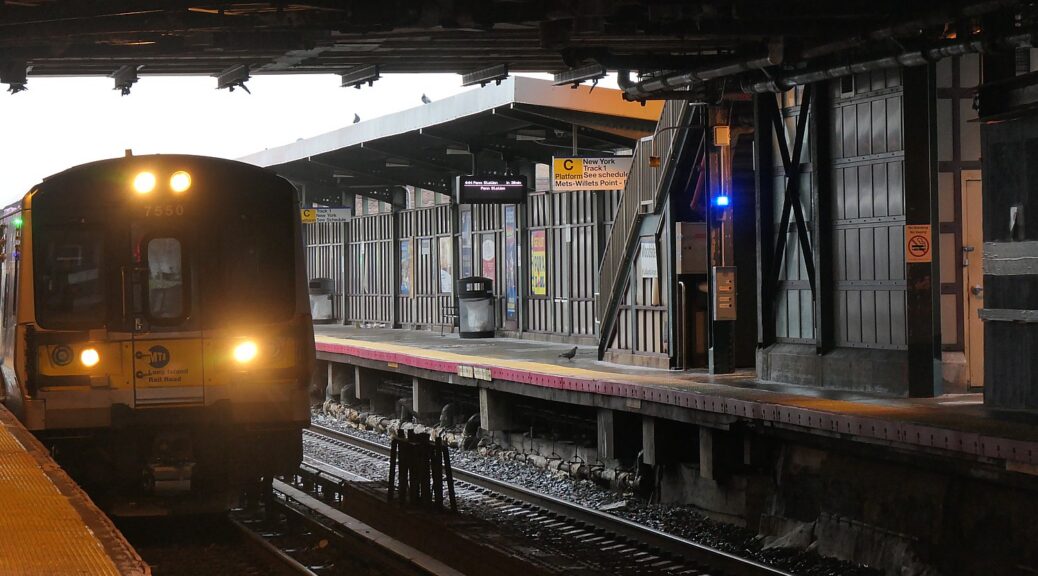
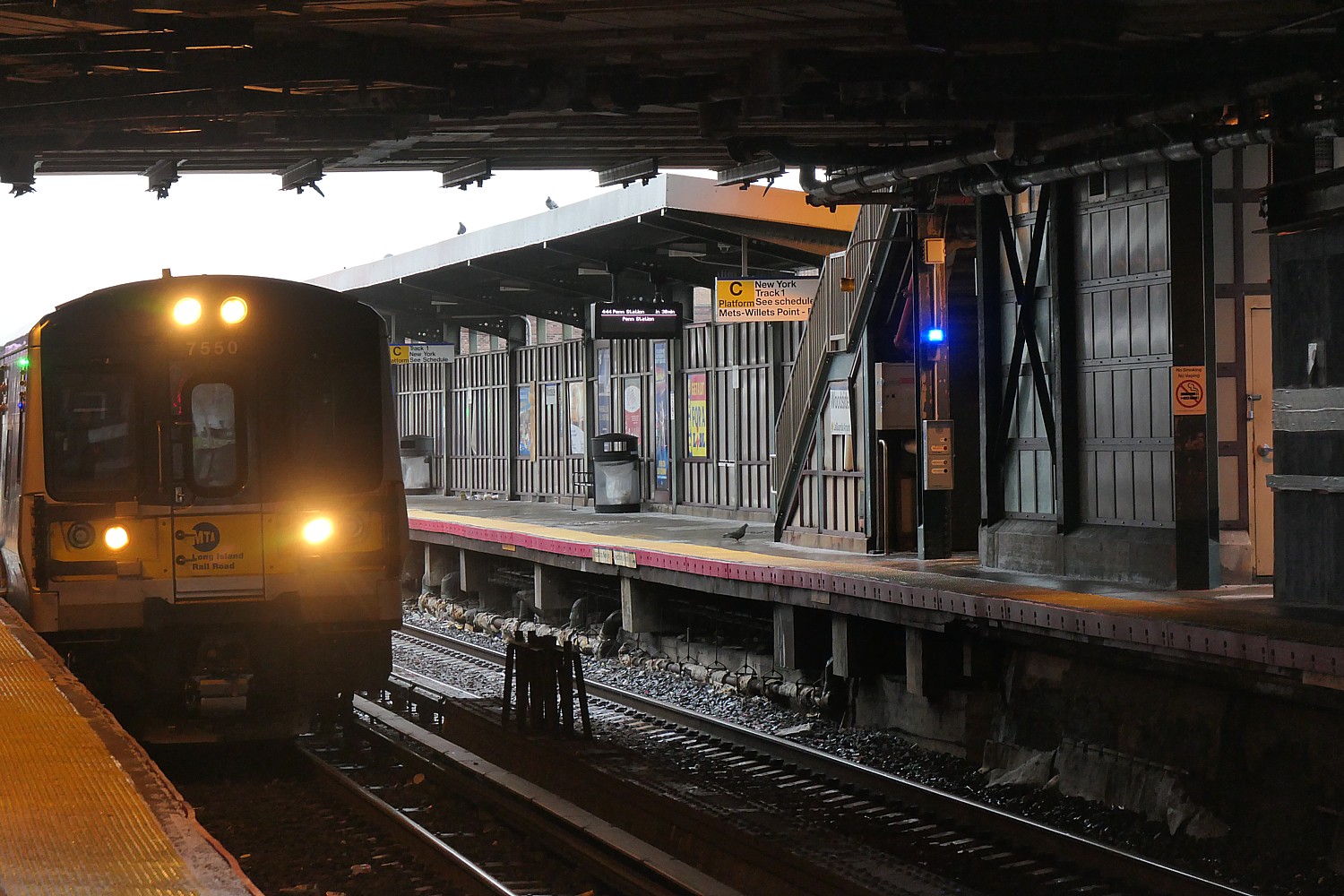
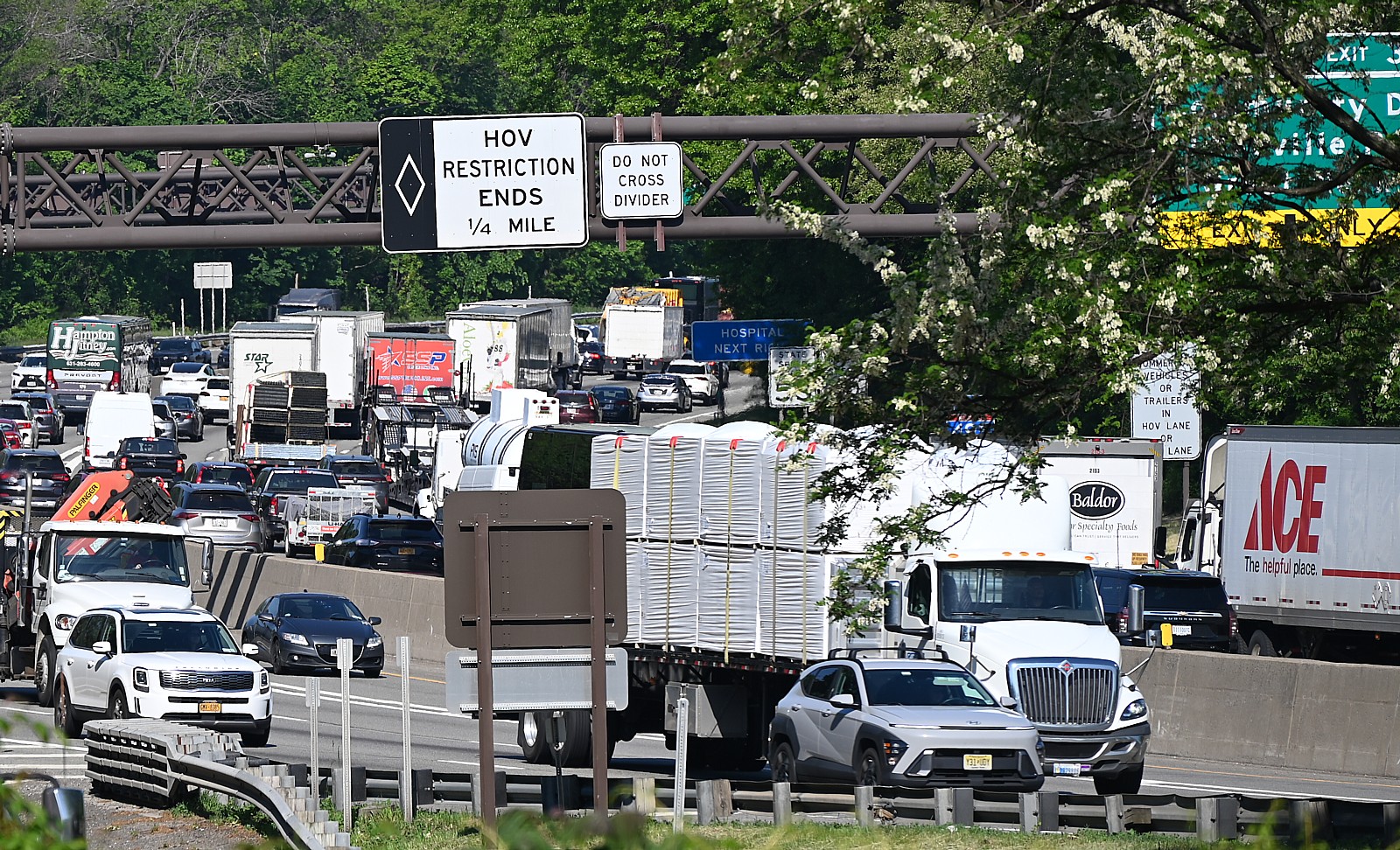
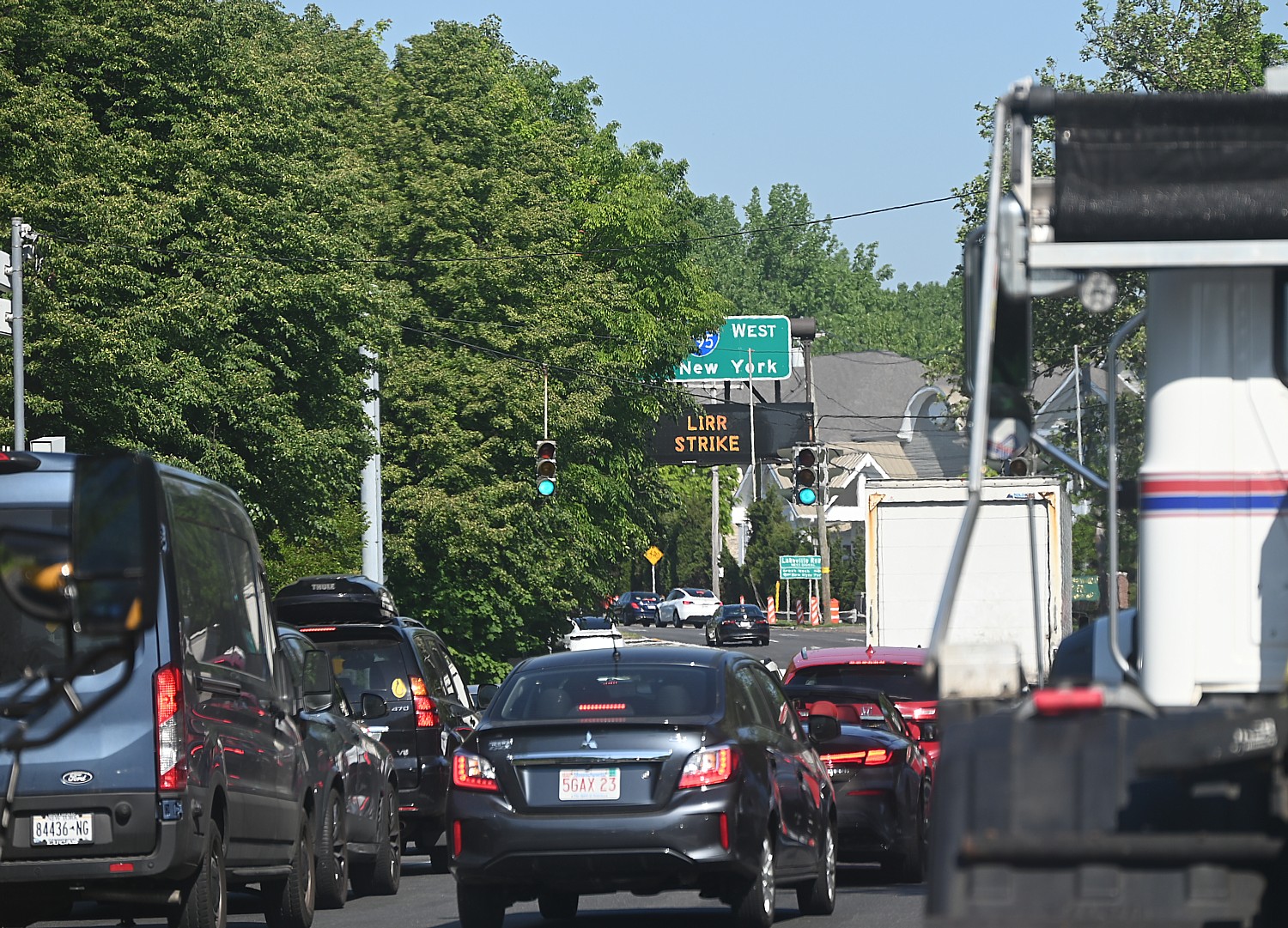
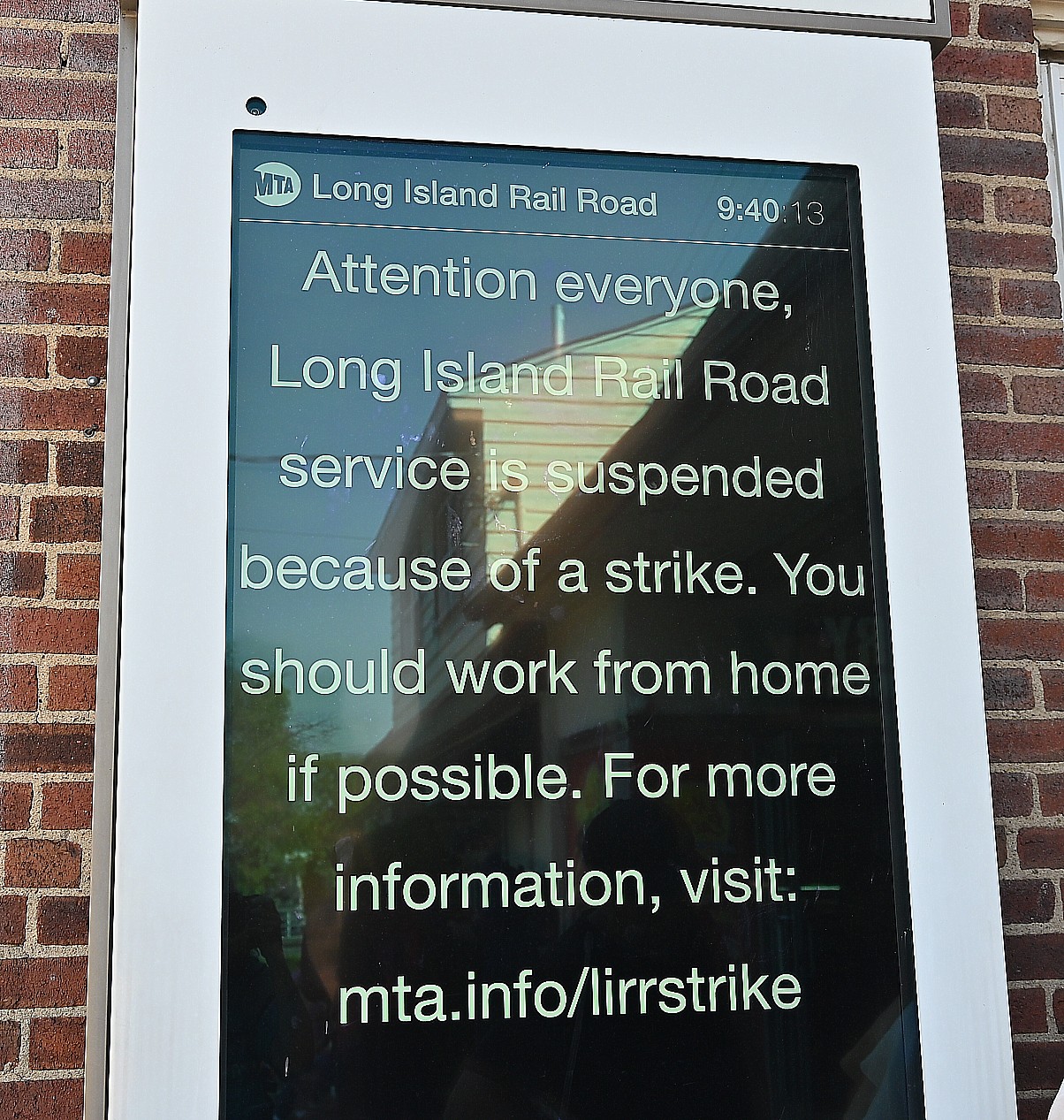
For the first time in 30 years, the Long Island Rail Road, the biggest commuter rail system in the nation, is on strike, causing havoc across the region, as some 300,000 daily riders have to find alternate ways to get to work.
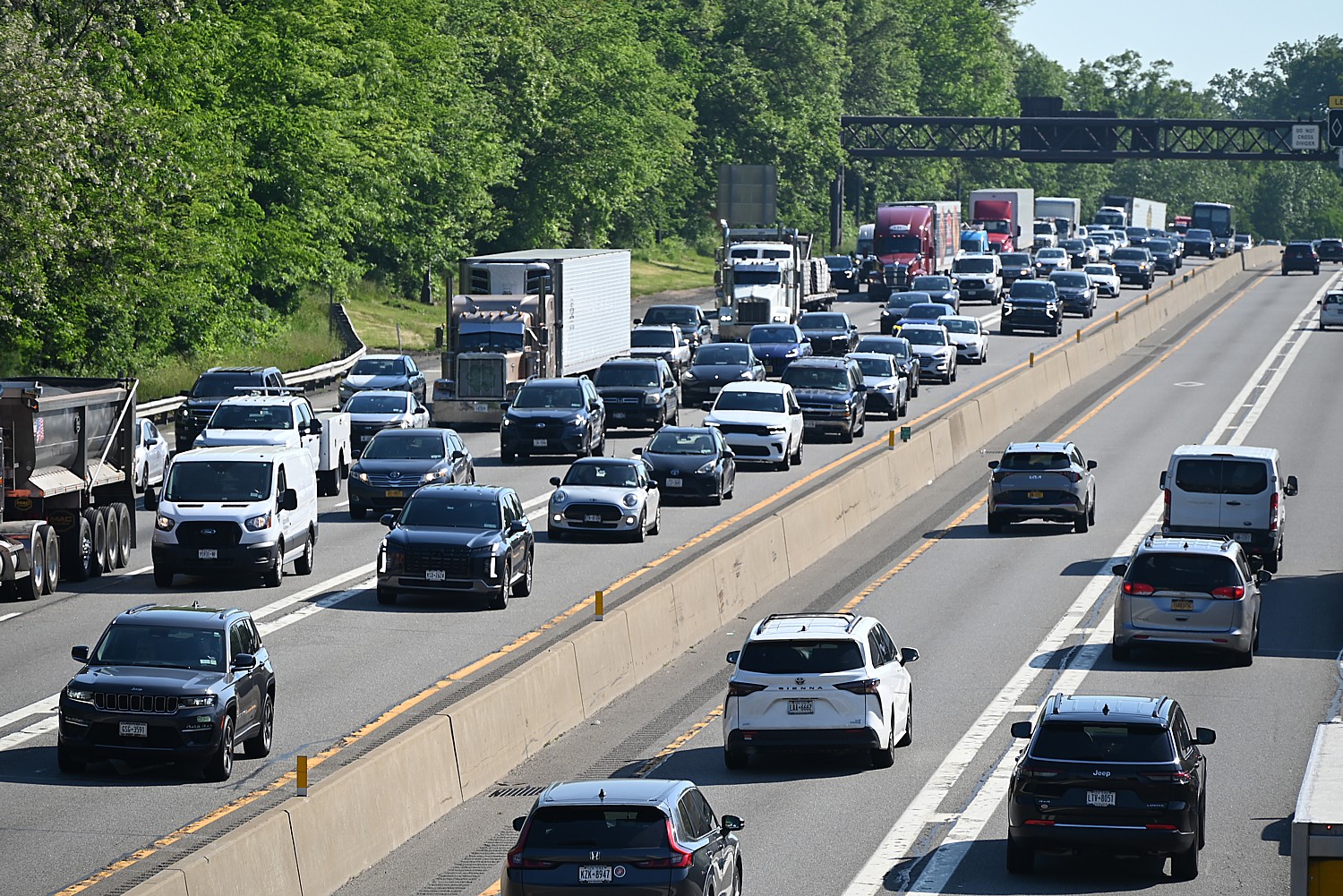
At a time when the air quality is already bad, the increased traffic and emissions will make it worse.
People who normally have to drive for work, to get to doctor, or some emergency are stuck in traffic, at a time when gas prices are reaching new heights, compounding family financial woes.
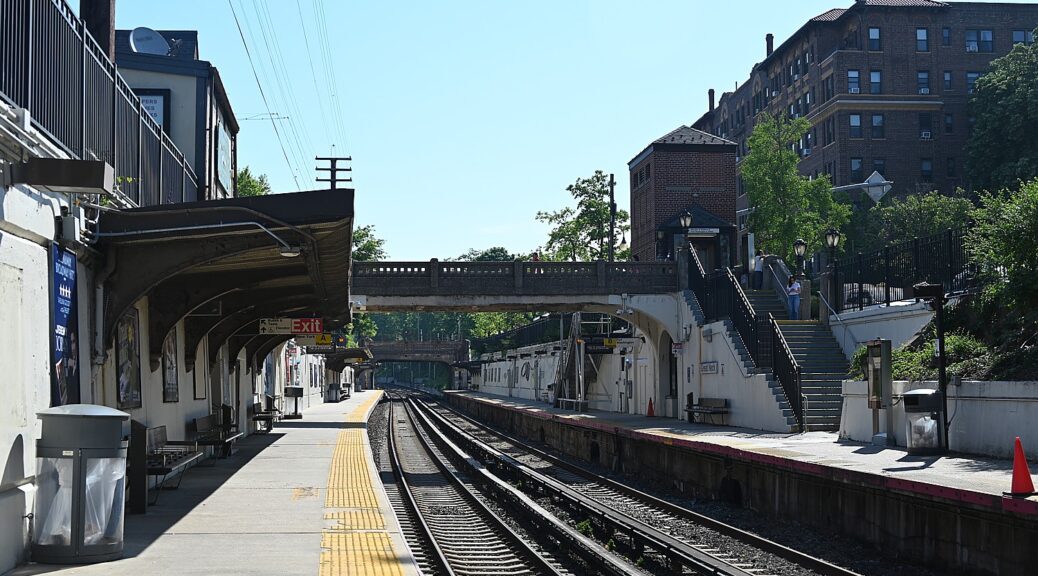
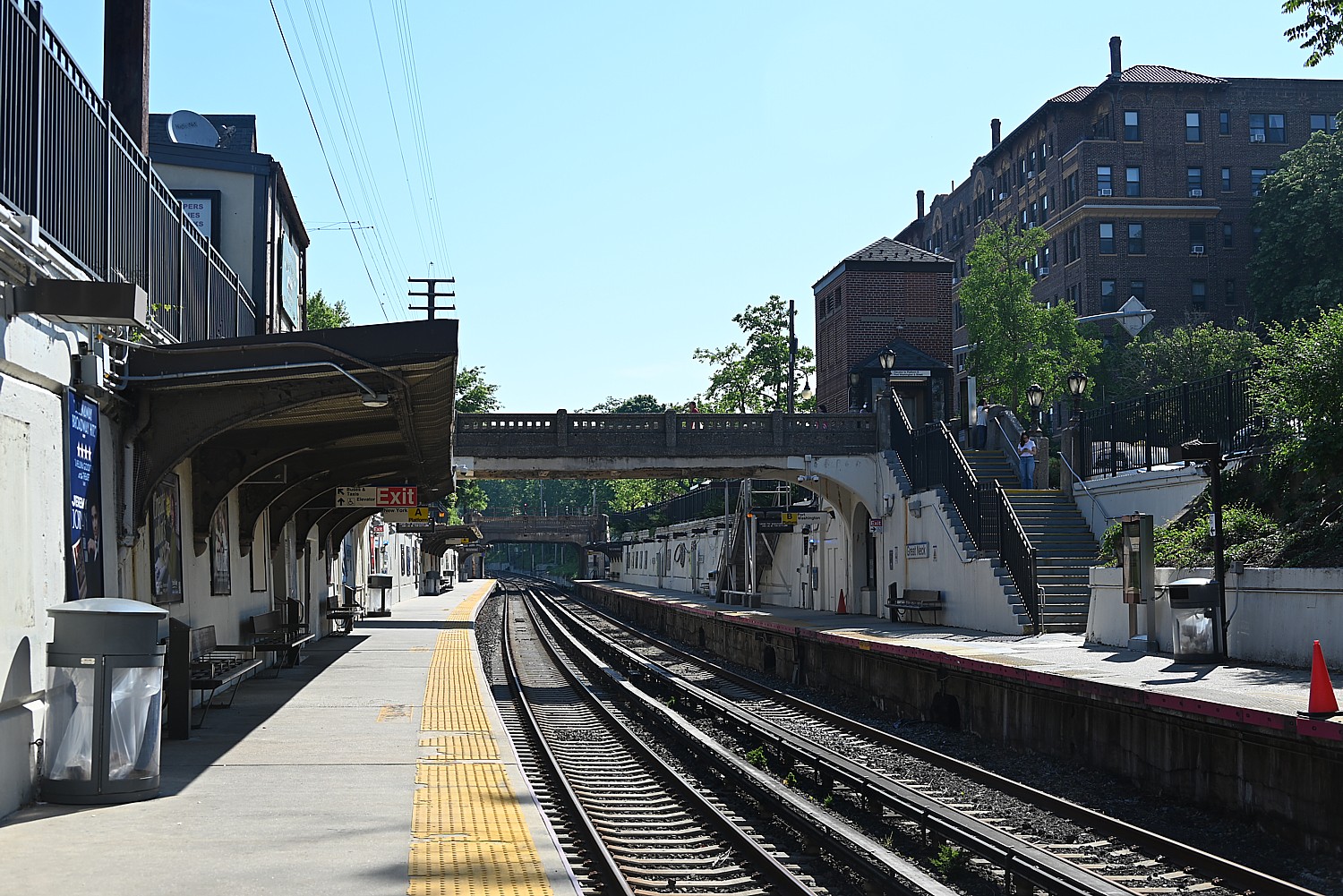
You look at the vacant cafes and shops around the train station that are normally bustling with people.
The timing is interesting, aimed at hurting Governor Kathy Hochul who is being challenged by Republican Bruce Blakeman, the Nassau County Executive.
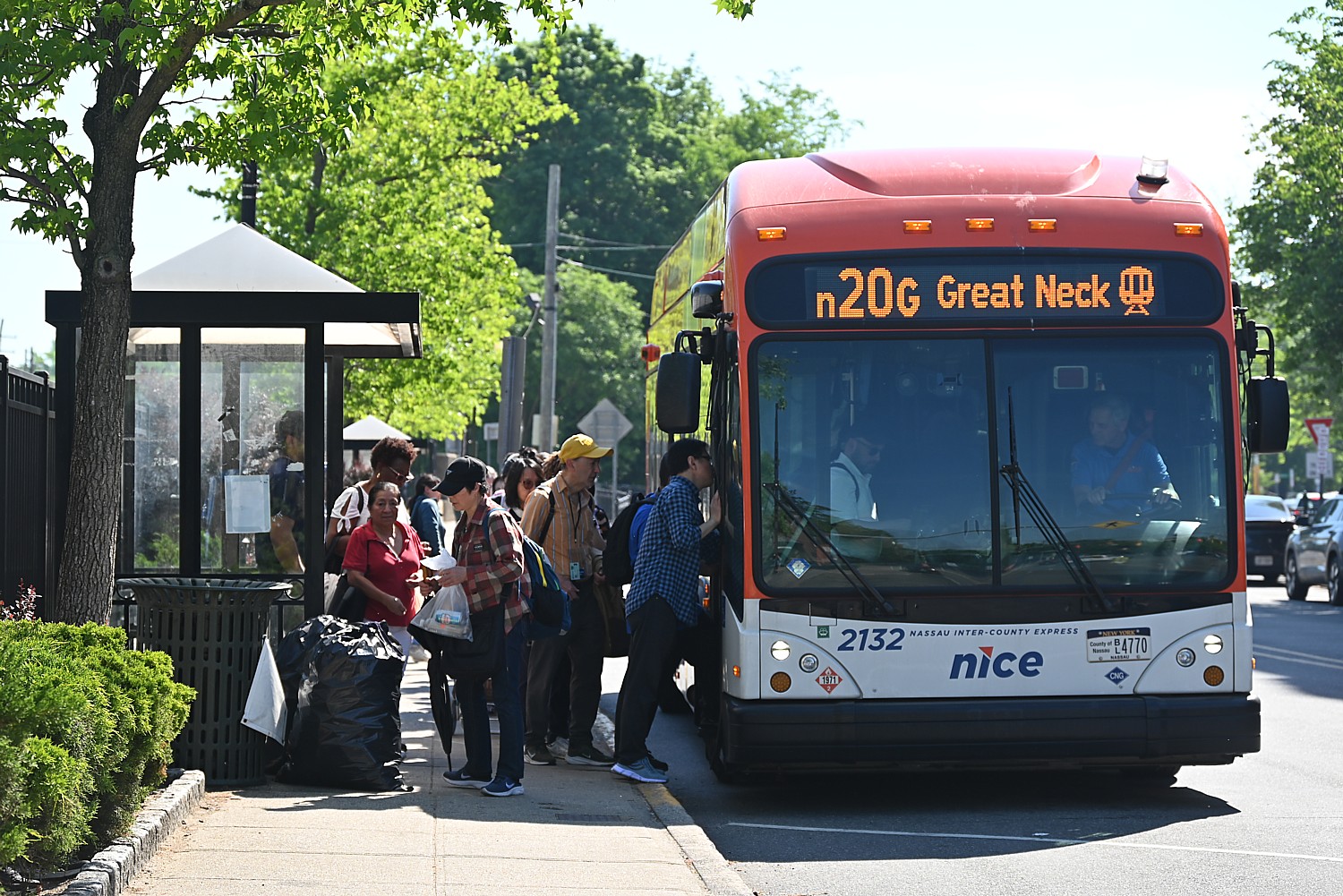
The NICE buses which are under Blakeman’s control, take only 13,000 people from Long Island train stations, depositing them at subway stations in Queens.
A commute that normally takes 40 minutes can take 2 hours.
The timing of the strike – the first in 30 years – is interesting, especially since the MTA put very favorable terms on the table, and the LIRR workers are already the highest paid in the nation.
I would bet Trump is behind the Long Island Railroad strike in order to boost Nassau County Executive Bruce Blakeman, who is the Republican challenging Governor Kathy Hochul and thinks the strike makes Governor Hochul look bad and the pain it will cause the 300,000 daily LIRR riders will result in lots of angry votes against her, because of course you blame the Democrat – except it actually makes Blakeman look impotent.
It also makes it clear that like his idol, Donald Trump, Blakeman is willing to inflict misery and suffering on his constituents in order to benefit himself. The Teamsters, who have supported trump for the unfathomable notion that trump is for workers and for unions (when he has sold workers and unions under the bus at every turn) and that waving the trump flag makes them more patriotic and better Americans than others (radical liberal lunatics who want to be able to afford food, clothing and shelter) are doing this to bolster Blakeman.
Here’s how you know that Blakeman is enjoying seeing Hochul and Long Islanders squirm: he could offer to help organize NICE buses to relieve some of the stress, but instead, uses the opportunity to try to get Hochul to cancel congestion pricing tolls (which he sued to overturn), to be told by Hochul that it is not possible under the federal contract. Instead, the pro-Blakeman NICE unions are urging bus drivers to support the LIRR strikers and not change their schedules to help. (Where were the unions defending the federal workers as they were fired by DOGE?)
But Governor Hochul, while showing respect for unions and workers, has noted that Long Island Railroad workers are already the highest paid in the country, and if the MTA accedes to their fairly outrageous demands, it not only will force a further increase in fares for already hard-pressed Long Islanders, but will trigger similar, unsustainable increases throughout the workforce.
“The LIRR is more stable now than it has been for generations,” Governor Kathy Hochul stated. “The decision by some unions to strike over demands that would threaten that progress is reckless. These unions represent the highest paid workers of any railroad in the nation, yet they are demanding contracts that could raise fares as much as 8%, pit workers against one another, and risk tax hikes for Long Islanders. This is unacceptable. My priority is protecting affordability for riders and ensuring fairness across the workforce.
“The disruption that Long Islanders face starting tonight is the direct result of reckless actions by the Trump Administration to cut mediation short and push these negotiations toward a strike. For weeks, the MTA has attempted to negotiate in good faith and put multiple fair offers on the table that included meaningful wage increases, but you cannot make a deal if one side refuses to engage in good faith.
“Commuters are dealing with unnecessary dysfunction and thousands of union LIRR workers are being forced to go without a paycheck because of decisions made by a small group of union leaders. I stand with LIRR riders and will fight to preserve the long term stability of the MTA. I believe a deal can be done and I urge both the MTA and these unions to return to the table and bargain non-stop until a deal is reached.”