Tag Archives: health and wellness

Health & Wellness: Global Wellness Summit Releases 10 Wellness Trends for 2026 for $6.8 Trillion Wellness Economy

In 2026, we’ll see a backlash against over-optimization and the bold return of pleasure and joy; women finally getting their own lanes in longevity and sports; longevity expanding into real estate and beauty; and wellness tackling major crises: disaster preparedness, microplastics and nervous system exhaustion

Global Wellness Institute’s Beth McGroarty, VP, Research & Forecasting, GWS/GWI and Jane Kitchen, Trends & Media Analyst, GWS Trends Authors, discuss the  Future of Wellness report at the recent Global Wellness Summit in New York City © Karen Rubin/news-photos-features.com

The Global Wellness Summit (GWS) released its annual Future of Wellness report, the longest-running, most detailed (150-page) forecast of the big ideas that will transform health and wellness in the coming year.

There have been more shakeups in the wellness market in the last couple of years than in the last 20. The market has been rewritten by high-tech, medical, hyper-optimizing approaches—from the boom in longevity clinics to the avalanche of diagnostics and wearables. At the same time, powerful new desires for a no-tech, deeply human, social and emotional wellness are raging. These polarities, which now define the wellness market, resonate across the new report.

2026 will be another year of shakeups. A year of corrections and backlashes, a crucial year for women, one where longevity moves in new directions, and where major environmental and human crises are tackled.

Four Themes for 2026:

1)     An Over-Optimization Backlash: The Revenge of the Human 

The backlash against stressful, high-tech wellness will reach activist levels. Wellness experiences will embrace what humans actually are: imperfect, emotional, relational and sensory—and hardwired to seek pleasure and joy. Offerings will pivot to meaning over measurement, catharsis over clinical data, self-expression over self-surveillance. “The Over-Optimization Backlash” serves as the framing trend, detailing the many ways we’ll move beyond performance to sensation, emotional repair and embodied careThe Festivalization of Wellness” explores a rising wave of healthy, cathartic wellness raves and gatherings, where music, dance and creative expression mean wild, collective and emotional release. If fragrance has long been about status, celebrity and corporate sameness, the “Fragrance Layering” trend predicts that the ancient art of combining scents will get a modern reimagining: fragrance as a creative, cultural and deeply personal language.

2)     The Year of Women 

Major gender inequities in multibillion-dollar markets will get corrected. If the booming longevity market was built for men, “Women Get Their Own Lane in Longevity” goes in depth on how the future is female. Because women age very differently, with the ovary acting as “command central” of women’s health, longevity will pivot to women’s healthspan, requiring a whole new longevity paradigm and diagnostics and interventions targeted for every life stage. If men have owned sports, “Women & Sports: The Revolution Continues” details how the women’s sports economy is at its long-awaited tipping point, with a boom in new leagues and female fandom, female athletes as marketing powerhouses, and women globally turning from lonely fitness to empowering sports.

3)     Longevity Expands in New Directions 

Longevity will move in other bold directions. “Longevity Residences” investigates how it’s moving out of clinics and resorts and into the home, with a new wellness real estate category that supports longer, healthier lives through preventive medicine and diagnostics, biohacking, AI-enabled health tracking and more. “Skin Longevity Redefines Beauty” argues that the traditional focus on anti-aging is shifting. Innovations in skin longevity and regeneration will introduce a new era of beauty that merges cutting-edge biotech, AI, skin diagnostics and new active ingredients.

4)     Wellness Tackles Major Environmental and Human Crises

In our age of multiple crises, from terrifying climate events to brains barraged by bad news, crisis management becomes a pillar of wellness. “Ready Is the New Well” predicts that if wellness always promised prevention, the next wellness wave is about survival itself, where having a disaster plan becomes as essential as having a fitness plan. “Tackling Microplastics as a Human Health Issue” provides a deep scientific overview of how microplastics are present throughout the human body and increasingly linked to serious health issues. If we’ve had decades of false wellness “detox” rhetoric, the microplastics threat looks to be real, and in 2026, public health and the wellness market will move from awareness to action. With modern, digital life keeping our nervous systems in a state of fight-or-flight, “The Rise of Neurowellness” explores how regulating the nervous system is wellness’ next frontier, deploying everything from new consumer neurotech to somatic practices to calm our nervous systems before breakdown occurs. 

This is the only wellness trends report based on insights from hundreds of health and wellness experts that gather each year at the Global Wellness Summit. Each trend is packed with new ideas, sub-trends and examples of the companies blazing these new trails.

 “Each year, The Future of Wellness report delivers essential insights into the forces reshaping the global wellness landscape,” said Amway chief marketing officer Melodie Nakhle. “As the exclusive sponsor, we remain committed to advancing credible, science-driven innovation that helps people lead healthier, more vibrant lives. This research strengthens our ability to deliver meaningful solutions for communities around the world.”

Amway is the exclusive sponsor of this report. A health and wellbeing company founded in 1959, Amway has a presence in more than 100 countries and territories around the world.

Probing deeper, these are the Top 10 Wellness Trends:

Top 10 Wellness Trends 

Women Get Their Own Lane in Longevity
Men have dominated the longevity market, but the future is female

At the Global Wellness Summit “playground”, we get to try out new technology like the Technogym © Karen Rubin/news-photos-features.com

The booming longevity market—like medicine before it—is tacitly male: women’s path to health is extrapolated from men’s data and protocols designed for men. That era is ending. Research mounts that women age fundamentally differently, with the ovary functioning as “command central” for women’s health, and its decline (aka menopause) dramatically accelerating systemic aging in women. This leads to a cascade of conditions women suffer far more and longer: from immune disorders to dementia to osteoporosis. Men suffer no such “gonadal death” and stark “before” and “after” health decline.

Slowing/stopping ovarian decline will be the next big biotech breakthrough, and women scientists are busy working on it, from ovarian stem cell therapies to tackling ovarian fibrosis. And with the new framework that “ovary-span” is the lynchpin to women’s healthspan, the wellness market will now move beyond managing menopause symptoms to tackling ovarian aging and its specific health fallouts. This requires a new longevity paradigm: interventions tailored to women across every decade (from their 20s to 90s), ovarian aging tests becoming the new vital sign, hormone replacement therapy boomeranging back as longevity medicine, lifestyle interventions that best preserve ovarian reserve—with strength training reframed as a non-negotiable for women’s longevity. The trend details how basically every wellness market is now pivoting from treating menopause to more serious whole-life, medical-wellness longevity programs for women: wellness resorts, longevity clinics, big telehealth and women’s platforms, gyms, diagnostics and wearables. And as women finally shape longevity, its “bro” culture will change, too: less ultrahuman optimization; more human approaches.

The Over-Optimization Backlash
Pushing back on peak wellness

We’re living through a modern wellbeing paradox: never before has health been so measurable—and never before has it felt so psychologically demanding. Sleep is scored, glucose is graphed, aging is tracked, and wellbeing has shifted from something we feel to something we perform correctly. Therapists warn that data-driven wellness can tip from motivation into fixation, turning insight into pressure. As health data multiplies, many experience analysis paralysis rather than clarity, overwhelmed by constant self-tracking and fear of “getting it wrong.” While longevity research, diagnostics and health technology have undeniably expanded human potential, optimization without integration is proving costly. The over-optimization backlash marks a decisive cultural pivot away from peak wellness and toward something far more human. In response, the fastest-growing spaces in wellness are prioritizing nervous-system safety, emotional repair and pleasure over metrics: social saunas are growing around the world as ritual, not endurance; brands like On and Nike are ditching performance language for campaigns about softness, presence and joy; clinics are reframing aesthetics as psychological care rather than correction; and new technologies are quietly regulating the body in the background, without dashboards or demands. From scream circles and somatic release classes going viral on TikTok, to pleasure-forward food, low-stimulation retreats and regulation-focused wearables, the trend is evident: wellness is no longer about optimizing harder—it’s about feeling safer, more connected and more alive.

The Rise of Neurowellness
Regulating the nervous system is the next frontier of human health

Neuroaesthetics is a new field. The arts have significant impact on health, wellness and longevity © Karen Rubin/news-photos-features.com

Neurowellness is moving from niche to mainstream as people realize one of their biggest health bottlenecks isn’t willpower, it’s nervous system overload. Sleep has become the on-ramp. Wearables turned a private struggle into a daily metric: “What’s your sleep score?” When scores stay low, the message is clear: the autonomic nervous system is stuck in low-grade fight-or-flight, showing up as fragmented sleep, anxiety, inflammation, brain fog, hormonal disruption and burnout. That visibility is driving a wave of interventions that go beyond supplements and mindset. “Hard-care” neurowellness is arriving through consumer-friendly neurotech: vagus nerve stimulation devices like Pulsetto, EEG-guided sleep tools like Elemind and neurofeedback platforms like Myndlift that bring nervous system training into therapists’ offices, not just homes. Flow’s recent FDA approval for an at-home neuromodulation device adds clinical momentum, signaling a path to reimbursement and wider adoption. At the same time, long-standing “soft-care” wellness anchors are being re-framed as nervous-system medicine: breathwork, touch therapy, yoga and Feldenkrais are increasingly recognized for their measurable effects on regulation, making them more mainstream, more repeatable and, in some settings, even prescribed. Next, expect brain–body research, including Stanford’s focus on whole-system connections, to push neurowellness into everyday spaces: mental health care, local fitness studios, hospitality, real estate and next-gen destination spas and clinics—making regulation a quietly built-in feature of modern life.

Fragrance Layering
The new art of combining scents to create unique personalized identities

Fragrance layering—the art of combining scents to create a personalized olfactory signature—is changing the way we express ourselves, shape our moods and interact with others. Once associated mainly with luxury and seduction, fragrance is re-emerging as a cultural and emotional language, echoing ancient traditions from Egypt, Arabia and India, where scent signified ritual, status and meaning. Today, Gen Z and Millennials are reviving this heritage through experimentation, fueled by TikTok, indie fragrance communities and brands like Kayali and Rare Beauty that encourage mixing, mood-shifting and the creation of “fragrance wardrobes.” This rise of “smellmaxxing” coincides with experimental cocktailing, social-coded scents and layering workshops, which transform fragrance into a participatory, skill-based hobby. Layering is extending beyond personal fragrance into spaces and experiences, with environments crafted to carry evolving aromas that shape mood and ritual. Technology is amplifying this, as smart fragrance systems and AI tools allow scents to shift dynamically throughout the day, responding to activity, context or emotional state. In an era of homogenous beauty products, fragrance layering offers both creative freedom and social currency—a way to express identity, foster connection and reclaim individuality through scent.

Ready Is the New Well
Preparing for climate disaster is the new preventative wellness

Long Island after Super Storm Sandy. No place is safe from climate or other disasters. An emerging wellness trend addresses the ongoing stress and anxiety, with community groups forming to help when disaster strikes, the new “preventative wellness.” © Karen Rubin/news-photos-features.com

Wellness has always promised protection—from disease, from burnout, from the slow erosion of mental health. But the next wave of wellness will promise something different: survival itself. Just as preventive medicine once transformed healthcare, disaster readiness is becoming the next evolution of everyday resilience, where having a disaster plan is as essential as having a fitness plan. This shift connects mental health, physical readiness and community interdependence into one continuum of care. The implications for the global wellness economy are vast. Gyms and fitness studios will double as emergency shelters; wellness retreats will teach readiness; and demand for disaster-proof architecture will surge. But perhaps the greatest opportunity lies in the industry’s ability to hold both sides of the psychological spectrum at once—supporting people who live in chronic fear of what might happen, while also caring for those navigating the emotional fallout of what already has. As disasters become inescapable, the most forward-thinking companies will prioritize practical, proven solutions that put people’s minds at ease.

Skin Longevity Redefines Beauty
Move over anti-aging: innovations in skin regeneration usher in a new era

Patrick Kullenberg, Chief Innovation Officer, NA for L’Oreal Groupe, discusses innovations in skin care with Claire McCormack at the Global Wellness Summit © Karen Rubin/news-photos-features.com

A transformation is sweeping the beauty and wellness industries as “anti-aging” is rapidly being replaced by the concept of skin longevity. This emerging vertical merges cutting-edge biotech, proactive skincare and holistic wellness, reframing the conversation from reversing the unwanted effects of time to optimizing the skin’s health and function over the long term. Skin longevity honors skin as the body’s largest organ and a key marker of overall health. It’s driven by demographic realities—people are living longer and seeking solutions to maintain long term health and vitality—and by a philosophical shift, treating skin as a diagnostic tool and reflection of overall health. The movement is gaining significant momentum, backed by major investments and deep scientific research. Advances include sophisticated skin diagnostics, such as L’Oréal’s Cell BioPrint, and the development of new active ingredients and regenerative treatments. These innovations are creating a new age of personalized, preventative care. The trend extends beyond the face to encompass “hair longevity,” with a focus on scalp health and regenerative therapies for hair. Industry experts concur that skin longevity is a defining turning point in beauty and wellness, where the cross-pollination of science, biology and technology is unlocking unprecedented horizons for personalized, visible results and long-term health optimization.

The Festivalization of Wellness
A new wave of healthy, wild, cathartic wellness raves and gatherings

A flash mob in Llublijana, Slovenia, part of a global trend of “festivalization of wellness” © Karen Rubin/news-photos-features.com

A new wave of group wellness events is reshaping the global wellness landscape, marking the rise of the “festivalization of wellness.” These gatherings respond to widespread economic stress, social fragmentation and digital overload by prioritizing human connection, collective energy and emotional release. Inspired by festival and rave culture, wellness raves, sober morning dance events and multi-day immersions are reframing wellbeing as experiential, social and identity-driven rather than prescriptive or perfection-oriented. Spanning movement, music, sauna culture, learning and creative expression, they emphasize participation over performance and lower barriers to entry by creating judgment-free spaces where people explore what intuitively feels good. Around the world, sober morning raves, grief raves and headphone-led somatic dance experiences like Sanctum are turning dancefloors into spaces for emotional release, connection and catharsis. At the same time, mass-participation fitness festivals such as Hyrox attract hundreds of thousands of athletes and spectators to sweat, celebrate and heal together. Luxury resorts from Six Senses and Soneva to SHA Wellness are now hosting immersive multi-day wellness festivals, while mainstream music events like Wilderness, Lost Village and Envision are embedding breathwork, rituals and recovery zones into their lineups. The result is a global shift where wellness becomes social, expressive and identity-shaping—built on joy, belonging and shared experience rather than discipline and optimization. By making wellness playful, inclusive and culturally relevant, the festivalization of wellness is redefining health as belonging, connection and sustainable joy.

Women and Sports: The Revolution Continues
More women become empowered as athletes as the women’s sports economy booms

More women are becoming empowered as athletes as the women’s sports economy booms. Tennis Star Coco Gauff is co-creating fashion lines © Karen Rubin/news-photos-features.com

This trend captures a long-overdue cultural and economic reckoning as women’s athletics moves from the margins to the mainstream—reshaping fitness, media, fashion, fandom and business along the way. Around the world, new leagues like the Professional Women’s Hockey League, League One Volleyball and the upcoming Women’s Professional Baseball League are launching alongside bold, culture-forward events such as Athlos in New York City, which turned women’s track and field into a Times Square spectacle complete with instant prize payouts and a Ciara concert. Female fandom is exploding too, visible in the rapid rise of women’s sports bars like The Sports Bra (now franchising nationwide), record-breaking attendance at the 2025 Women’s Rugby World Cup and massive global viewership for women’s cricket in India. At the same time, female athletes are becoming cultural and commercial powerhouses: Coco Gauff co-creating fashion lines, Ilona Maher and Sloane Stephens launching beauty brands, Allyson Felix building a motherhood-centered footwear company, and media platforms like Togethxr rewriting who gets visibility and voice. On the ground, this momentum is changing bodies and behaviors—women are lifting heavier, joining grassroots leagues, filling women-only gyms from Dubai to Shanghai, and embracing strength over thinness as both a physical and political act. Together, these shifts signal a structural change, not a moment: women’s sports are no longer asking for permission, but actively redefining what power, performance and possibility look like—on the field, in culture and across the global wellness economy.

Tackling Microplastics as a Human Health Issue
We’ve grasped the severity of the microplastics crisis; this year is about action

Microplastics have crossed a critical threshold—from an environmental problem to a direct human health concern. Once associated mainly with oceans and wildlife, these microscopic particles are now being detected in human blood, lungs, placentas and even the brain. Each year, an estimated 130 million metric tons of plastic enter the environment, breaking down into particles we ingest through bottled water and packaged food, inhale from synthetic clothing fibers in household dust, and absorb through everyday consumer products. Early research links this exposure to inflammation, hormonal disruption, cardiovascular disease and potential cognitive effects. As concern grows, the wellness and medical sectors are moving from observation to intervention. In London, private clinics are already offering costly treatments claiming to reduce microplastic loads in the body, while consumer-facing innovations such as plastic-free underwear are also emerging. Looking ahead, microplastics may become a routinely measured health marker—tracked alongside cholesterol or inflammation—and plastic exposure a factor shaping architecture, fashion, food systems and healthcare. The challenge now is not awareness, but whether society acts quickly enough to reduce exposure at the source, before the smallest pollutants create the largest health legacy.

Longevity Residences
Healthspan finally comes home

Susan Magsamen, Executive Director, International Arts + Mind Lab, Center for Applied Neuroaesthetics, Johns Hopkins University School of Medicine, discusses Intentional Spaces Roadmap: 2026 Collaboration with the GWI © Karen Rubin/news-photos-features.com

A new category of “longevity residences” is emerging within wellness real estate, designed to support longer, healthier lives. This trend signals a major shift in how—and where—longevity is delivered, as real estate becomes an active participant in extending healthy life rather than a passive backdrop. Around the world, a new generation of longevity-focused communities is embedding preventive medicine, advanced diagnostics, biohacking and AI-driven personalization directly into daily living. The Estate is building a global network of residences where architecture, circadian lighting, diagnostics and concierge medicine operate as a continuous longevity system; Australia’s Elysium Fields has plans to pair luxury living with on-site MRIs, brain scans and anti-ageing clinics; Velvaere in Utah will integrate Fountain Life’s early-detection diagnostics into its ski-in, ski-out community; and Tri Vananda in Thailand is blending medical longevity science with holistic design, biophilia and multigenerational living. Unlike traditional wellness real estate, these residences go deeper—tracking biomarkers, personalizing care over decades and removing friction from proactive health behaviors. Fueled by an aging global population, soaring investment in longevity tech and the rise of concierge medicine, longevity residences reflect a growing realization that true healthspan gains happen at home, not during one-off clinic stays. For culture and capital alike, the message is clear: longevity is no longer a service you visit—it’s a lifestyle you live in, and the home is becoming the most powerful longevity tool of all.

The Global Wellness Summit brings together leaders and visionaries to shape the future of the $6.8 trillion global wellness economy which is forecast to reach $9.8 trillion by 2029, according to the Global Wellness Institute’s  2025 Global Wellness Economy Monitor.

U.S. Dominates Global Wellness Market

The Global Wellness economy hit $6.8 trillion in 2024 and is forecast to grow to $9.8 trillion by 2029, according to the Global Wellness Institute’s 2025 Global Wellness Economy Monitor © Karen Rubin/news-photos-features.com.

The non-profit Global Wellness Institute (GWI) released its annual “Country Rankings” report, packed with data on the wellness markets of 145 countries. The new research identifies the countries and regions with the fastest growth rates, and reveals the amount of money spent annually on wellness in each nation.

The five largest wellness markets are: the US ($2.1 trillion), China ($950 billion), Germany ($281 billion), Japan ($262 billion) and the UK ($261 billion). Together these five nations represent a whopping 58% of the total wellness economy.

The U.S. wellness economy amounted to $2.1 trillion in 2024, 32% of the global spend according to the Global Wellness Institute’s 2025 Global Wellness Economy Monitor © Karen Rubin/news-photos-features.com.

Among the largest wellness markets, the standout five-year growth leaders are the UAE, Saudi Arabia, India, Mexico, Poland, the UK, the Netherlands, Canada, the US and Australia. For smaller markets, the growth stars include Croatia, Cuba, Romania, Costa Rica and Kazakhstan.

The Global Wellness economy accounted for 6.12% of global GDP in 2024, according to the Global Wellness Institute’s 2025 Global Wellness Economy Monitor © Karen Rubin/news-photos-features.com.

The new research is a story of global growth for wellness: Each of the top 25 largest markets have surpassed their pre-pandemic (2019) sizes, most by sizable margins, despite economic challenges for many of the nations. The growth shows that, as GWI partner economist Thierry Malleret put it, the wellness industry is not only resilient—it resists shocks—but is “anti-fragile”: it actually improves under stress and shocks.

Composition of the U.S. Wellness Economy © Karen Rubin/news-photos-features.com

The US, which accounts for a staggering one-third (32%) of the total global wellness economy, is a striking example of that. If a record number of Americans report high stress and a healthcare system in crisis, its wellness market remains unstoppable. It grew by over $130 billion just between 2023 and 2024—a gain roughly the size of Italy and Australia’s entire wellness markets.

The 20th annual Global Wellness Summit will be held in Phuket, Thailand, November 10-13, 2026 © Karen Rubin/news-photos-features.com.

In addition to an annual conference, held at a different location around the globe, GWS also hosts annual in-person events such as the Wellness Real Estate & Communities Symposium and the Beauty & the Brain Symposium, along with virtual gatherings, including Wellness Master Classes and Wellness Sector Spotlights. The 20th annual Global Wellness Summit will be held in Phuket, Thailand, November 10-13, 2026.

The Future of Wellness 2026 Trends Report can be purchased for $95 at https://content.globalwellnesssummit.com/2026-trends-report

Clinton Global Initiative at 20: World Leaders Join an ‘Agenda for Action’ at Critical Juncture

Twenty years after the launch of the Clinton Global Initiative, President Clinton has issued a stark Call to Action: “Given the scope of the challenges we face, this year’s CGI meeting will be different – by necessity. We need to redefine how we show up, how we work, and how we find ways to honor our common humanity.” Read President Clinton’s Call to Action here.

President Clinton, Secretary Hillary Clinton, and Dr. Chelsea Clinton will convene global leaders for the 2025 CGI Meeting September 24-25 in New York City to chart out “What’s Next.”

Learn more about this year’s meeting, including working group topics and early participants, at https://clintonglobal.org/2025 

President Bill Clinton with Nobel laureate Dr. Muhammad Yunus, who had just become leader of Bangladesh, takes to the Leaders Stage at the 2024 Clinton Global Initiative. President Clinton has issued a stark Call to Action for this year’s CGI, taking place Sept. 24-25: “Given the scope of the challenges we face, this year’s CGI meeting will be different – by necessity. We need to redefine how we show up, how we work, and how we find ways to honor our common humanity.”© Karen Rubin/news-photos-features.com

If you want to be reminded that there is good in the world, that progress to solve the most intransient problems and existential crises of our time is possible, to hear and learn from the smartest, most successful, most accomplished people on the planet, the place to be is the Clinton Global Initiative. Since its founding in 2005, each session has been like an alternate universe to the dystopia contrived by evil forces digging deeper into society and eroding civilization. –Karen Rubin/news-photos-features.com

NEW YORK, NY — President Bill Clinton issued a Call to Action to the Clinton Global Initiative (CGI) community to come together at a re-imagined Annual Meeting this September 24-25 designed to promote collaboration and take action to confront new and worsening challenges on climate, health, the economy, and more.

President Clinton outlined that this year’s meeting will look different than previous years to most effectively confront the challenges of 2025 and lay the groundwork for what’s next:

“The global development community is at an unprecedented crossroads, with growing humanitarian needs, fewer resources, and the landscape changing every day. Given the scope of the challenges we face, this year’s CGI meeting will be different – by necessity. We need to redefine how we show up, how we work, and how we find ways to honor our common humanity. This September, our goal will be to connect dots across issues, expose the consequences, and confront the complicated issues in front of us.”

Read President Clinton’s Call to Action here.

To tackle these challenges, President ClintonSecretary Clinton, and Dr. Chelsea Clinton have called together leaders of major charitable foundations, nonprofits, businesses, governments, unions, and more to chart solutions in 2025. More speakers will be announced in the coming weeks; today, CGI announced initial featured participants at the CGI 2025 Annual Meeting:

  • Heads of State and government leaders including Prime Minister Gaston Browne of Antigua and Barbuda; Prime Minister Philip Davis of The Bahamas; Prime Minister Mia Mottley of Barbados, President Vjosa Osmani of Kosovo, and Amy Pope, Director General, International Organization for Migration (IOM);
    • Business leaders including Priscilla Sims Brown, President and CEO, Amalgamated Bank, Rolando Gonzalez Bunster, Chairman and CEO, InterEnergy Group; Tim Cadogan, CEO, GoFundMe; James Mwangi, Group CEO, Equity Group Holdings; Daniel O’Day, Chairman and CEO, Gilead Sciences; and Bill Ready, CEO, Pinterest;
    • Philanthropic leaders including Nancy Lindborg, President and CEO, The David and Lucile Packard Foundation; Patricia McIlreavy, President and CEO, Center for Disaster Philanthropy; Binaifer Nowrojee, President, Open Society Foundations; Maribel Pérez Wadsworth, President and CEO, John S. and James L. Knight Foundation; Karlee Silver, CEO, Grand Challenges Canada; and Darren Walker, President, Ford Foundation;
    • Nobel Laureates including Denis Mukwege, President and Founder, Panzi Hospital; Maria Ressa, Co-Founder and CEO, Rappler; and Ellen Johnson Sirleaf, Founder and Chair Emeritus, The Ellen Johnson Sirleaf Presidential Center for Women and Development;
    • Civil society and multi-lateral organization leaders including Nazanin Ash, CEO, Welcome.US; Ann Lee, Co-Founder and CEO, Community Organized Relief Effort (CORE); Lisha McCormick, CEO, Last Mile Health; Michelle Nunn, President and CEO, CARE USA; and Kennedy Odede, Co-Founder and CEO, Shining Hope for Communities;
    • Global Activists and Advocates including Suyen Barahona Cuan, Executive Director, Colmena Fund; Ai-jen Poo, President and Executive Director, National Domestic Workers Alliance (NDWA) and Caring Across Generations; Liz Shuler, President, AFL–CIO; Randi Weingarten, President, American Federation of Teachers; and more.

CGI 2025 will have a sharper focus on CGI Working Groups – facilitated, action-focused sessions where leaders will collaborate with mission-aligned organizations to drive real solutions in the areas that matter most and are under the greatest threat. CGI Working Groups at this year’s meeting include:

  • Climate: scaling investment in transformative climate solutions; group leaders and select participants include Sarah Chandler, Vice President, Environment and Supply Chain Innovation, Apple; Reema Nanavaty, Director, Self-Employed Women’s Association (SEWA); and Sophia Kianni, Founder, Climate Cardinals;
    • Democracy and Human Rights: protecting democratic principles and upholding equality and justice; group leaders and select participants include Suyen Barahona Cuan, Executive Director, Colmena Fund; Gary Barker, Founder and CEO, Equimundo: Center for Masculinities and Social Justice; Mona Sinha, Global Executive Director, Equality Now; and Melanne Verveer, Executive Director, Georgetown Institute for Women, Peace & Security; 
    • Economy: building resilient and inclusive global economic development amid widening inequalities; group leaders and select participants include Chetna Sinha, Founder, Mann Deshi Bank; Priscilla Sims Brown, President and CEO, Amalgamated Bank; John Hope Bryant, Founder, Chairman and CEO, Operation HOPE, Inc.; and Ai-jen Poo, President and Executive Director, National Domestic Workers Alliance (NDWA) and Caring Across Generations;
    • Education: advancing equitable and quality education for all; group leaders and select participants include Marci Alboher, Chief Engagement Officer, CoGenerate; John MacFee, CEO, JED Foundation; and Randi Weingarten, President, American Federation of Teachers;
    • Health: safeguarding public health gains and increasing global health equity; group leaders and select participants include Brendan Carr, CEO, Mount Sinai Health System; Tabinda Sarosh, CEO, Pathfinder International; Jeff Sturchio, Chair, Friends of the Global Fight Against AIDS, Tuberculosis and Malaria, and Lisha McCormick, CEO, Last Mile Health;
    • Humanitarian Response: building response models to be more resilient, collaborative, and adequately resourced; group leaders and select participants include Rez Gardi, Co-Managing Director, R-SEAT; Patricia McIlreavy, President and CEO, Center for Disaster Philanthropy; Ann Lee, Co-Founder and CEO, Community Organized Relief Effort (CORE); Denis Mukwege, President and Founder, Panzi Hospital; and Charlotte Slente, Secretary General, Danish Refugee Council;
    • Innovative Finance: building investment opportunities for more flexible, impact-driven funding; group leaders and select participants include Vishal Ghotge, CEO, Kiva; Joan M. Larrea, CEO, Convergence; and Karlee Silver, CEO, Grand Challenges Canada;
    • Truth and Information: revitalizing information ecosystems to uphold trust, truth, and transparency; group leaders and select participants include Dan Foy, Principal, Gallup; Wame Jallow, Executive Director, MTV Staying Alive Foundation; and Maria Ressa, Co-Founder and CEO, Rappler.

The sessions are designed for strategic collaboration, problem-solving, and the development of new CGI Commitments to Action.

This year marks the 20th anniversary of CGI. At the World Economic Forum in Davos in January 2005, President Clinton announced that he would be convening the first CGI meeting that September, timed to the U.N. General Assembly, with the requirement that attendees make a commitment to act on a pressing global challenge. Since then, more than 500 million people in more than 180 countries have had their lives improved by more than 4,000 Commitments to Action launched through CGI.

In his letter to the CGI Community, President Clinton wrote:

“The CGI community is built for moments like this. This year marks two decades of our community convening and responding directly to global crises — from the devastating 2010 earthquake in Haiti; to the U.S. economic downturn in 2009 with the launch of CGI America; to the Ebola outbreaks in 2014, 2015, and 2016; to the Caribbean hurricanes in 2017; to the COVID-19 pandemic; and more. We’ve launched more than 4,100 Commitments that have improved the lives of over 500 million people worldwide. 

“We’re drawing on 20 years of lessons, momentum, and partnerships to meet this moment and build what’s next. 

“Our programming and our physical space will be designed for action. Our time together will be focused on new working group convenings — sessions where project plans are drafted, commitments are accelerated, and coalitions begin to take root. Every participant will be urged to ask the hard questions, contribute their expertise, and identify paths forward. 

“Now is the time to stand up and roll up our sleeves — and do our part to reverse the trend lines and begin charting a brighter future.”

Learn more about this year’s meeting, including working group topics and early participants, at https://clintonglobal.org/2025 

FACT SHEET: Biden-Harris Administration Announces $110 Million in Awards from ARPA-H’s Sprint for Women’s Health to Accelerate New Discoveries, Innovations

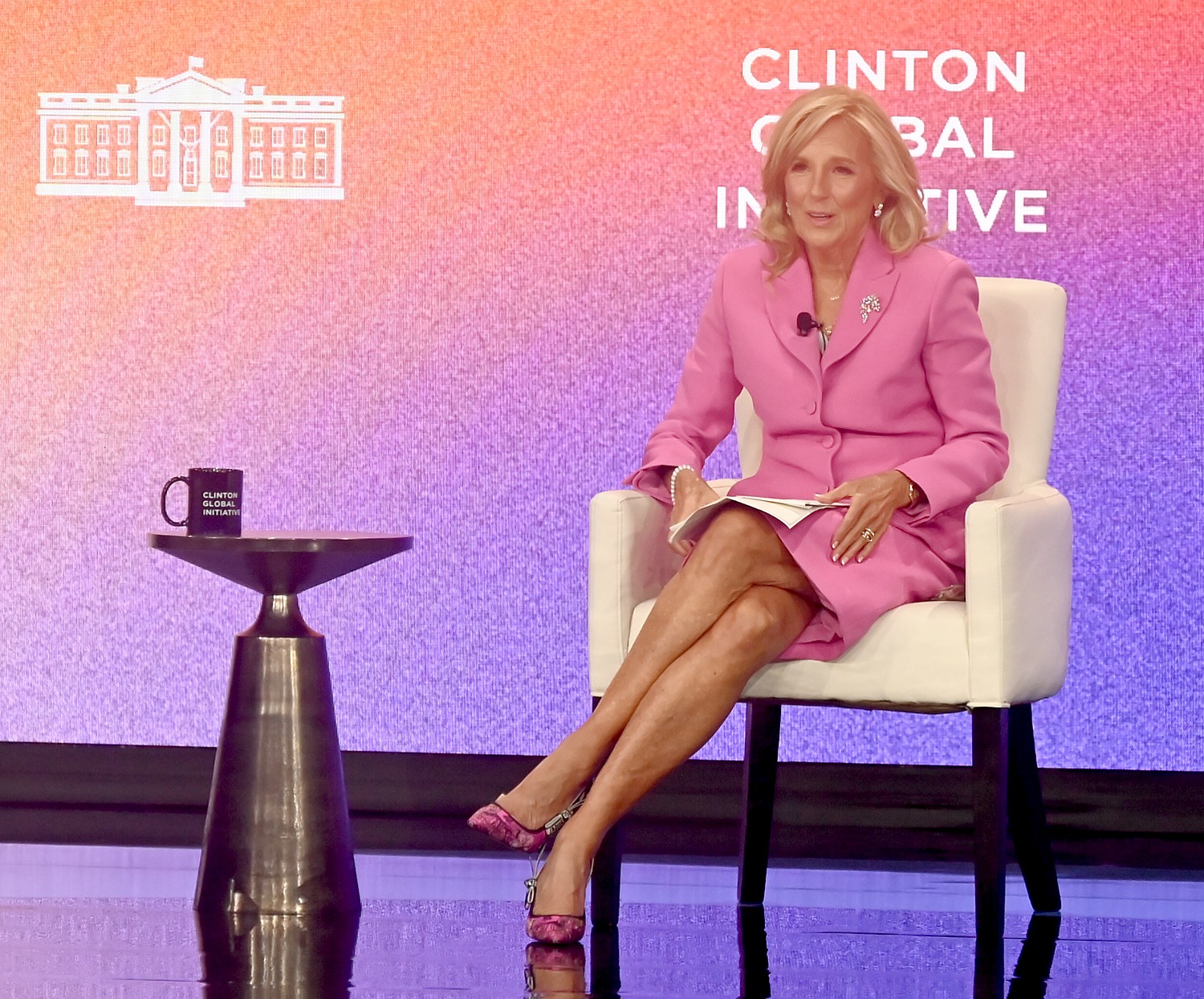
First Lady Jill Biden at the 2024 Clinton Global Initiative announced the Department of Defense’s new commitment to spend $500 million on vital women’s health research. With this new investment, the Department will fund research on conditions that affect women uniquely, disproportionately, or differently—such as ovarian cancer, rheumatoid arthritis, and musculoskeletal injuries © Karen Rubin/news-photos-features.com

As the Biden-Harris administration institutes new actions to protect women’s access to contraceptives and researchers have just published findings on risk factors for stroke that women – who suffer 57 percent of strokes – face, the administration just announced $110 million in awards from ARPA-H’s “Sprint for Women’s Health” to accelerate new discoveries and innovation. The President and First Lady recognized that medical research largely ignored women, focused almost entirely on men, and established the White House Initiative on Women’s Health Research.

Meanwhile, three states – Missouri, Idaho and Kansas (despite recently approving abortion rights  – have revived the lawsuit that the Supreme Court rejected last year, to curb access to abortion medication. Indeed the fact that pregnancy is one of the factors in women’s increased risk of stroke demonstrates why increasing access to contraception and abortion medication is vital, along with the statistics which show spikes in maternal and infant mortality in states that ban abortion and have criminalized pregnancy. The stakes and the contrast in this election – by pro-women’s rights candidate Kamala Harris vs. anti-women’s freedom candidate Donald Trump, could not be more clear. Here is a fact sheet provided by the White House on the latest women’s health initiative. – Karen Rubin/editor@news-photos-features.com, news-photos-features.com

President Biden and First Lady Jill Biden created the White House Initiative on Women’s Health Research to fundamentally change how our nation approaches and funds women’s health research. Despite making up more than half the population, women have historically been understudied and underrepresented in health research. Since its launch in November 2023, the Initiative has made significant investments to close gaps in research on women’s health—from menopause-related conditions to endometriosis to auto-immune conditions to cardiovascular disease—so that we can improve prevention, diagnosis, and treatment of diseases and conditions that affect women uniquely, disproportionately, and differently.
 
Today in Las Vegas, Nevada, the First Lady will announce $110 million in awards from the Advanced Research Projects Agency for Health (ARPA-H) to accelerate transformative research and development in women’s health. President Biden established ARPA-H, a new research and development funding agency, with bipartisan Congressional support to generate high-impact biomedical and health breakthroughs. In February 2024, the First Lady launched ARPA-H’s Sprint for Women’s Health, the first major deliverable of the White House Initiative on Women’s Health Research. Over the last 10 months, ARPA-H received an unprecedented response to this call for solutions for women’s health, with over 1,700 submissions across 45 states and D.C. as well as 34 countries.
 
In less than a year, the White House Initiative on Women’s Health Research has galvanized nearly a billion dollars in funding for women’s health research, including the First Lady’s recent announcement of $500 million from the U.S. Department of Defense and $200 million from the National Institutes of Health. Additionally, in his State of the Union address, President Biden called on Congress to make a bold, transformative investment of $12 billion in new funding for women’s health research. President Biden also signed a first-of-its-kind Executive Order on Advancing Women’s Health Research and Innovation, directing the most comprehensive set of executive actions ever taken to expand and improve research on women’s health. Through the Initiative, federal agencies have committed to taking over 100 actions to prioritize investments in women’s health research and integrate women’s health across the federal research portfolio.
 
Accelerating Progress in Women’s Health Research
 
Today’s ARPA-H awardees will spur innovation and advance high-impact, novel approaches to diseases and conditions that affect women uniquely, disproportionately, and differently. Today’s awardees are working across a range of women’s health issues—from pursuing new ways to prevent, detect, and treat cardiovascular conditions, ovarian cancer, endometriosis, neurological diseases, and pain in women to developing next-generation approaches to menopause, migraines, obstetrics, and gynecological care.
 
One-quarter of today’s awardees are pursuing “launchpad” projects, meaning those projects have the potential for commercialization within two years. The remaining awardees are pursuing “spark” projects that are in the early stage of research. ARPA-H’s support for these projects will help ensure that women and their health care providers can soon benefit from the research investments being made today.
 
The $110 million in ARPA-H awards announced today across 23 teams fund bold and transformative women’s health solutions, including:
 

  • Aspira Women’s Health Inc. of Shelton, Connecticut will receive $10 million to create a first-of-its-kind definitive, non-invasive blood test to diagnose endometriosis. Endometriosis is a debilitating condition that affects about 1 in 10 women and often takes years and surgery to be diagnosed. Aspira Women’s Health Inc. aims to reduce the time it takes to diagnose endometriosis from years to days while helping health care providers identify the most appropriate treatment option for each woman’s needs.
  • Beth Israel Deaconess Medical Center, Inc. of Boston, Massachusetts will receive $9.1 million to improve our ability to assess brain disorders in women through a novel non-invasive MRI imaging biomarker. Even though conditions such as Alzheimer’s disease, dementia, and multiple sclerosis disproportionately affect women, there are significant gaps in our knowledge about how to prevent, detect, and treat these conditions in women. By developing a novel and non-invasive MRI technology to measure a specific brain protein, Beth Israel Deaconess Medical Center, Inc. will advance our understanding of, and improve treatments for, brain disorders in women. 
  • Children’s Research Institute of Washington, DC—through its research arm on families—will receive $8.1 million to develop a novel way to assess chronic pain in women. Women experience pain differently than men which can lead health care providers to underestimate and undertreat this pain, resulting in prolonged suffering, delayed diagnosis and treatment, and a reluctance to seek medical care. Despite this need, there is currently no objective, quantitative indicator of chronic pain in women. Children’s Research Institute aims to fill this gap by studying how a woman’s eyes react to external stimulation, which is directly related to how she perceives pain.
    •  Gravidas Diagnostics, Inc. of Los Angeles, California will receive $3 million to create a first-of-its-kind at-home test to revolutionize our ability to detect early preeclampsia, a leading cause of maternal mortality and morbidity. By making it easier to identify preeclampsia quickly, Gravidas Diagnostics Inc.’s new low-cost fingerstick test would help women and their doctors get the information they need sooner to reduce pregnancy-related complications and improve maternal and child health.
    •  The University of Iowa will receive $10 million to revolutionize the treatment for late-stage and metastatic ovarian cancer by using personalized nanoparticles to boost a woman’s immune system. More than half of women with ovarian cancer are diagnosed only after the cancer has metastasized, making it harder to treat and reducing survival rates. Leveraging nanotechnology, the University of Iowa will engineer personalized nanoparticles to use a woman’s own immune system to attack multiple cancers and help more women get the treatment they need to live longer.
       

Additional information and a full list of awardees is available here.

See also:

States Revive Lawsuit to Sharply Curb Access to Abortion Pill

To Protect Women’s Freedom, Liberty, Life, Vote for Harris, Democrats and the ERA

New Stroke Recommendations Call Out Risks Unique to Women

At Clinton Global Initiative, First Lady Announces $500 Million More Funding for Women’s Health Research; President Biden Receives Global Citizen Award

FACT SHEET: Biden-Harris Administration Announces $3 Billion to Replace Toxic Lead Pipes and Deliver Clean Drinking Water to Communities Across the Country

$3 billion in funding from President Biden’s Investing in America Agenda will accelerate progress toward the President’s commitment to replace every lead pipe in the country within a decade – that is if Biden and Democrats remain in power. This fact sheet is provided by the White House:

Ashokan Reservoir, New York. $3 billion in funding from President Biden’s Investing in America Agenda will accelerate progress toward the President’s commitment to replace every lead pipe in the country within a decade © Karen Rubin/news-photos-features.com

President Biden believes that every American should be able to turn on the tap and drink clean, safe water. But over 9 million homes, schools, day cares, and businesses receive their water through a lead pipe, putting people at risk of lead exposure. Lead is a neurotoxin that can irreversibly harm brain development in children, and it can also accumulate in the bones and teeth, damage the kidneys, and interfere with the production of red blood cells needed to carry oxygen. Due to decades of inequitable infrastructure development and underinvestment, lead poisoning disproportionately affects low-income communities and communities of color. There is no safe level of exposure to lead. That is why the President made a commitment to replace every lead pipe in the country within a decade and coordinated a whole of government effort to deploy resources and leverage every tool across federal, state and local government to address lead hazards through the Lead Pipe and Paint Action Plan

As part of this unprecedented commitment, President Biden traveled to Wilmington, North Carolina, to announce $3 billion through his Investing in America agenda to replace toxic lead pipes. This investment, administered by the Environmental Protection Agency (EPA), is part of the historic $15 billion in dedicated funding for lead pipe replacement provided by the President’s Bipartisan Infrastructure Law. The announcement delivers funding to every state and U.S. territory to help address lead in drinking water while creating good-paying jobs, many of them union jobs. In addition, this program funding is part of the President’s Justice40 Initiative, which set a goal that 40% of the overall benefits of certain federal investments flow to disadvantaged communities, and is helping address the inequities of lead exposure.

Additionally, to further reduce lead exposure, the Department of Housing and Urban Development announced nearly $90 million in available funding to reduce residential health hazards in public housing, including lead-based paint hazards, carbon monoxide, mold, radon, fire safety, and asbestos, advancing the President’s Lead Pipe and Paint Action Plan.

The announcement from the EPA builds on more than $20 billion in water infrastructure investments that state and local governments have made through the President’s American Rescue Plan. North Carolina has invested close to $2 billion from the American Rescue Plan in more than 800 clean water, wastewater, and stormwater projects across the state and is using another $150 million to test for and remove lead hazards in every school and child care center across the state, a historic effort to remove lead from North Carolina schools.

In Wilmington, North Carolina, President Biden announced $76 million from his Bipartisan Infrastructure Law for lead pipe replacement across the state. The President also met with faculty and students from a Wilmington school that replaced a water fountain with high levels of lead with funding from his American Rescue Plan.

EPA estimates North Carolina has an estimated 300,000 lead pipes, and today the President will highlight his goal of replacing every lead pipe in the state. With today’s new investment of $76 million, the President has now delivered $250 million in Bipartisan Infrastructure Law funding to North Carolina for lead pipe replacement. This funding has already reached over 60 communities across the state to kick start lead pipe identification and replacement efforts.

One of these communities is Wilmington, North Carolina, which has already received over $4 million from the Bipartisan Infrastructure Law to identify and replace 325 lead pipes. Today, President Biden is announcing that the first Bipartisan Infrastructure Law-funded lead pipe replacement in Wilmington is now underway, kicking off this project for the city.

Progress Replacing Lead Pipes Across America

The Biden-Harris Administration is taking action to accelerate lead pipe replacement in communities across the country. The total lead pipe replacement funding announced by the Administration to date will replace up to 1.7 million lead pipes, protecting countless families and children from lead exposure.

To ensure that communities that bear most of the burden of lead exposure are not left behind in this opportunity, EPA and the Department of Labor are partnering directly with disadvantaged communities across the country to provide the support and technical assistance they need to secure funding for and execute lead pipe replacement initiatives. EPA has partnered with over 40 communities to date, and last November announced it would partner with 200 more communities through the EPA Get the Lead Out Initiative.

This work is also creating good-paying jobs, many of them union jobs, in replacing lead pipes – and accelerating the development of a skilled water workforce. Unions including the Laborers’ International Union of North America (LIUNA), the United Association of Plumbers and Pipefitters, and the International Union of Operating Engineers are already training workers in lead pipe replacement and putting them to work on neighborhood blocks across the country. The EPA estimates that 200,000 jobs have been created by the Administration’s investments in drinking water infrastructure alone.

In addition, last November, EPA issued a proposal to strengthen its Lead and Copper Rule that would require water systems to replace lead pipes within 10 years and drive progress nationwide toward reducing lead exposure.

The examples below highlight several communities where the Administration’s investments are making an impact:

  • In Milwaukee, Wisconsin, $41 million from the Bipartisan Infrastructure Law has helped put the city on track to replace all its lead pipes within 10 years instead of the initially estimated 60 years. The city is using a high proportion of union labor to replace lead pipes, and will be one of four new White House Workforce Hub cities that were announced by President Biden last week.
     
  • Following a lead-in-water crisis, Benton Harbor, Michigan, successfully replaced all its lead pipes within just two years, fueled by $18 million in funding from the President’s American Rescue Plan.
     
  • Pittsburgh, Pennsylvania, has received $42 million from the Bipartisan Infrastructure Law to replace lead pipes, and is on track to replace every lead pipe by 2026. Vice President Harris visited the city in February to highlight this progress in lead pipe replacement and announce new funding for clean water.
     
  • St. Paul, Minnesota, has received $16 million from the American Rescue Plan to replace lead pipes. This funding has enabled the city’s Lead-Free St. Paul program to target the replacement of all lead pipes by 2032 at no cost to residents.
     
  • Cincinnati, Ohio, passed an ordinance to develop a program to replace all lead pipes in line with the President’s goal, and authorized covering the cost of replacing private lead pipes that bring water to residents’ homes. A $20 million investment from the Bipartisan Infrastructure Law will support this work.
     
  • Tucson, Arizona, received $6.95 million to develop a Lead Service Line inventory for their nine public water systems. The city will use this inventory to develop a plan to replace lead service lines in the community and improve drinking water quality for residents – many of whom live in low-income and disadvantaged communities.
     
  • Denver, Colorado, has replaced almost 25,000 lead service lines since the program launched in 2020. Denver plans to replace another 5,000 this year and is on target to replace 100% by 2031, accelerating its lead pipe replacement due to Bipartisan Infrastructure Law funding.
     
  • Last week, at the White House Water Summit, the Great Lakes and St. Lawrence Cities Initiative launched its new Great Lakes Lead Pipes Partnership with three of its members – Chicago, Illinois, Detroit, Michigan, and Milwaukee, Wisconsin. This first-of-its kind, mayor-led effort to accelerate lead pipe replacement in cities with the heaviest lead burdens will provide a collaborative forum for metropolitan areas in the Great Lakes to share emerging best practices to encourage faster, more equitable replacement programs and overcome common challenges, including reducing replacement costs, improving community outreach, and spurring water workforce development.

Broader Administration Actions to Deliver Clean Water

The funding announced today is part of the over $50 billion provided by the Bipartisan Infrastructure Law to upgrade the nation’s water infrastructure – the largest investment in clean and safe water in American history. In addition, over $20 billion from the American Rescue Plan has been invested in water infrastructure, including lead pipe replacement, nationwide.

Beyond replacing lead pipes, these broader investments are helping to expand access to clean drinking water, improve wastewater and sanitation infrastructure, and remove per- and polyfluoroalkyl substances (PFAS) contamination in water. The Administration has launched over 1,400 of these projects to deliver clean water to date.

Delivering Clean Drinking Water. The Bipartisan Infrastructure Law invests nearly $31 billion in funding to secure clean drinking water through infrastructure projects such as upgrading aging water mains and improving water treatment plants.

Improving Wastewater and Sanitation Infrastructure. Over 2 million people in the U.S. live without basic running water or sanitation systems in their homes. The Bipartisan Infrastructure Law invests nearly $13 billion to improve wastewater, sanitation, and stormwater infrastructure.

Tackling PFAS Pollution in Water. Exposure to PFAS “forever chemicals” in drinking water is linked to severe health impacts including deadly cancers, liver and heart damage, and developmental impacts in children. The Bipartisan Infrastructure Law invests $10 billion to address toxic PFAS pollution in water. In addition, this month EPA announced the first-ever national drinking water standard for PFAS , which will protect 100 million people from PFAS exposure.

Experts Predict Most Significant Wellness Trends for 2021

Between the coronavirus pandemic and the specter of future pandemics, climate-change borne insects and illness, coupled with the advances in medicine and medical technology and the demand for universal health care and equity, there is new focus and demand for prevention and wellness and more focus on self-care. © Karen Rubin/goingplacesfarandnear.com

The coronavirus pandemic and the specter of future pandemics. Climate-change borne insects and illness. Advances in medicine and medical technology. The demand for universal health care and equity. With all of these developments are producing new focus and demand for prevention, wellness and self-care.

In other words, don’t get sick and place more stresses on an overwhelmed and unaffordable health care system.

Indeed, the Centers for Disease Control and Prevention estimates that 69 percent of all deaths globally each year are the result of preventable diseases and that the global cost of largely preventable chronic diseases (cardiovascular disease, chronic respiratory disease, diabetes and more) could reach $47 trillion by 2030 (World Economic Forum, 2017).

In light of this, the Global Wellness Institute has launched a fundraising challenge for The Wellness Moonshot: A World Free of Preventable Disease,  a global fight to eradicate preventable, chronic diseases. GWI is a nonprofit organization with a mission to empower wellness worldwide by educating the public and private sectors about preventative health and wellness.

At its recent Global Wellness Summit (GWS), the organization unveiled the top nine wellness trends for 2021, the new directions that will have the most meaningful impact on the $4.5 trillion global wellness industry:

Global Wellness Summit Trends Report: “The Future of Wellness 2021”

In this report, wellness industry analysts and experts identify the nine wellness trends that will have the most meaningful–not fleeting–impact in 2021 and beyond.

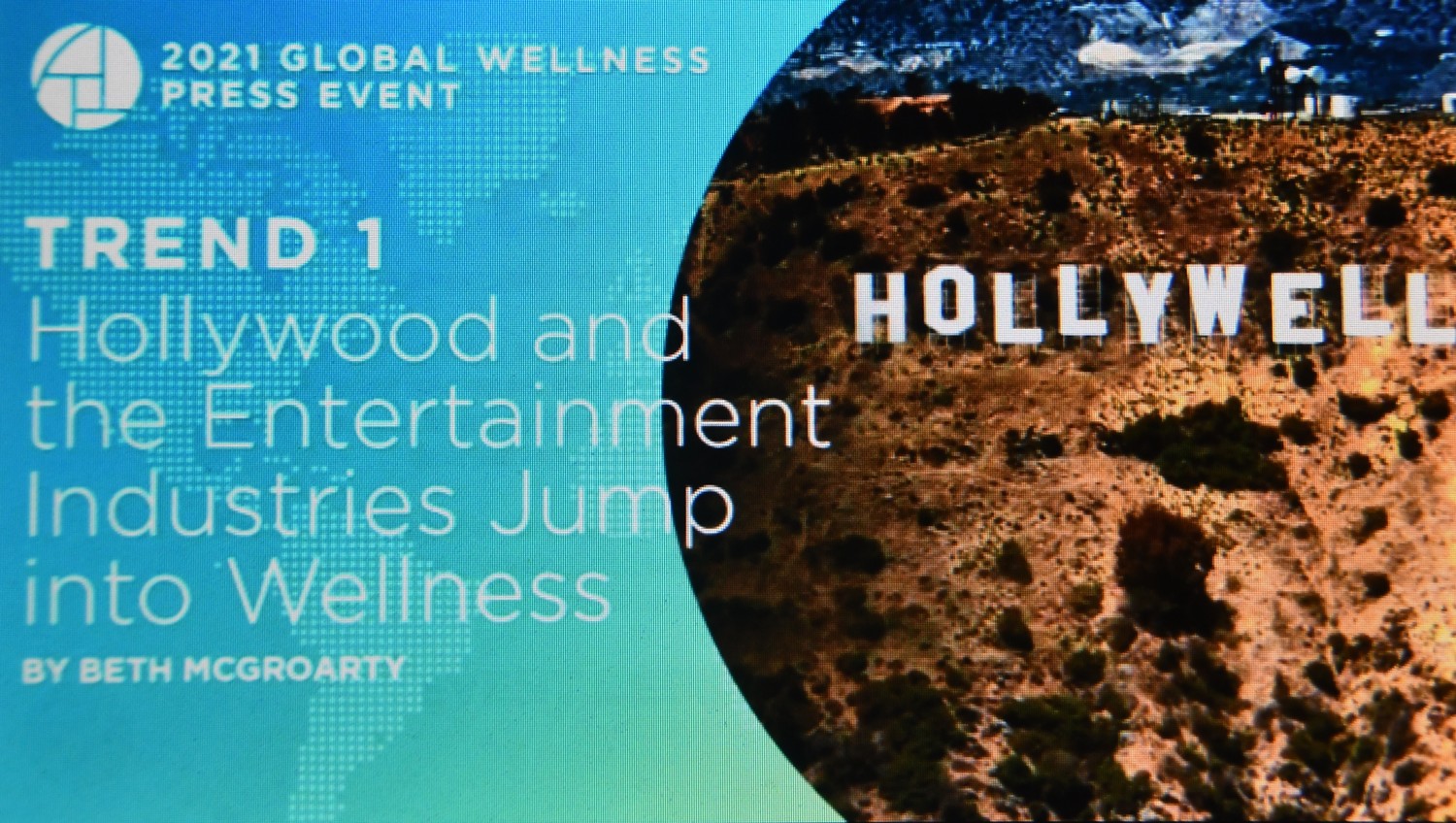
  1. Hollywood and the Entertainment Industries Jump into Wellness
  2. The Future of Immune Health: Stop Boosting, Start Balancing
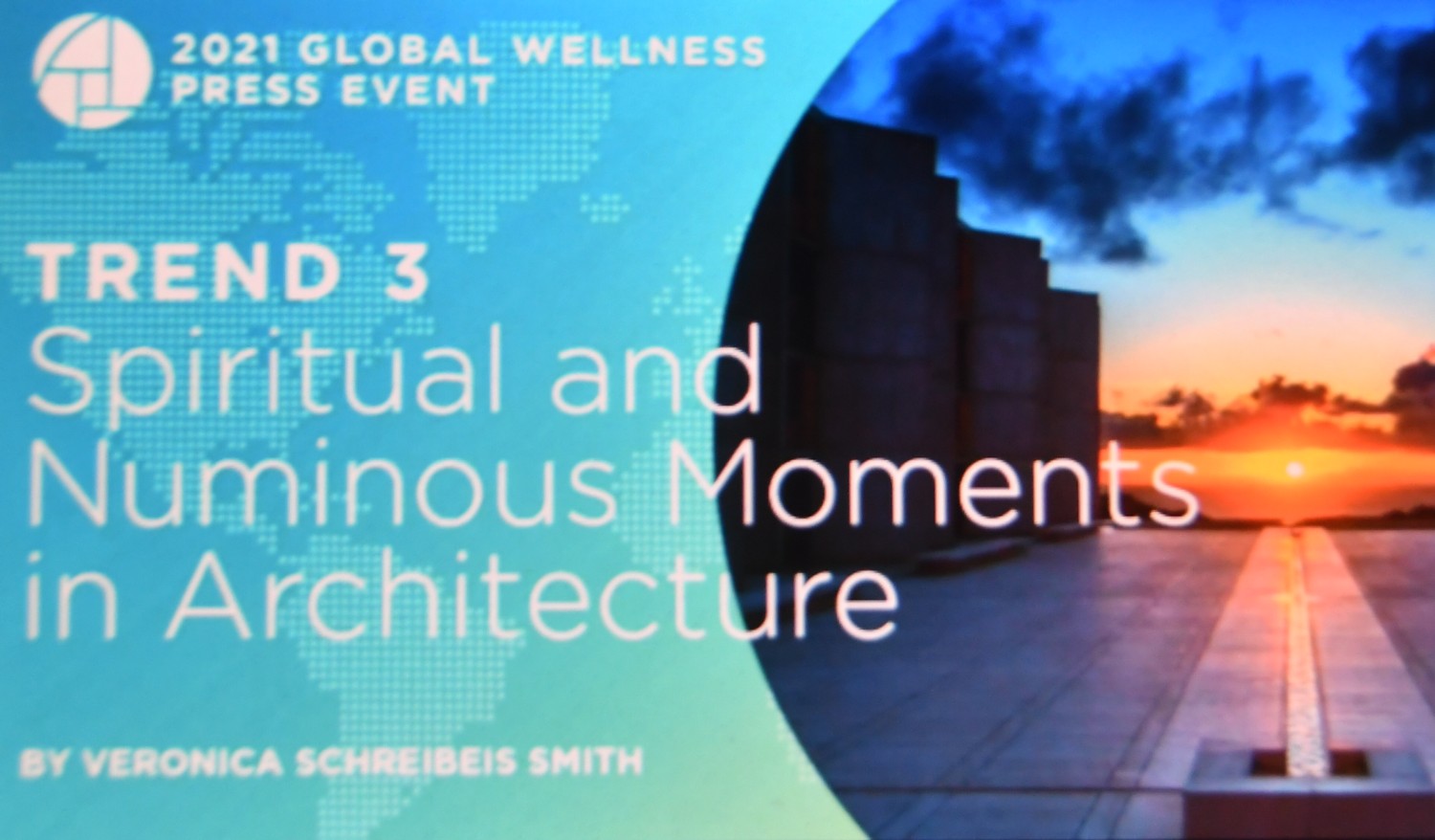
  3. Spiritual and Numinous Moments in Architecture
  4. Just Breathe!
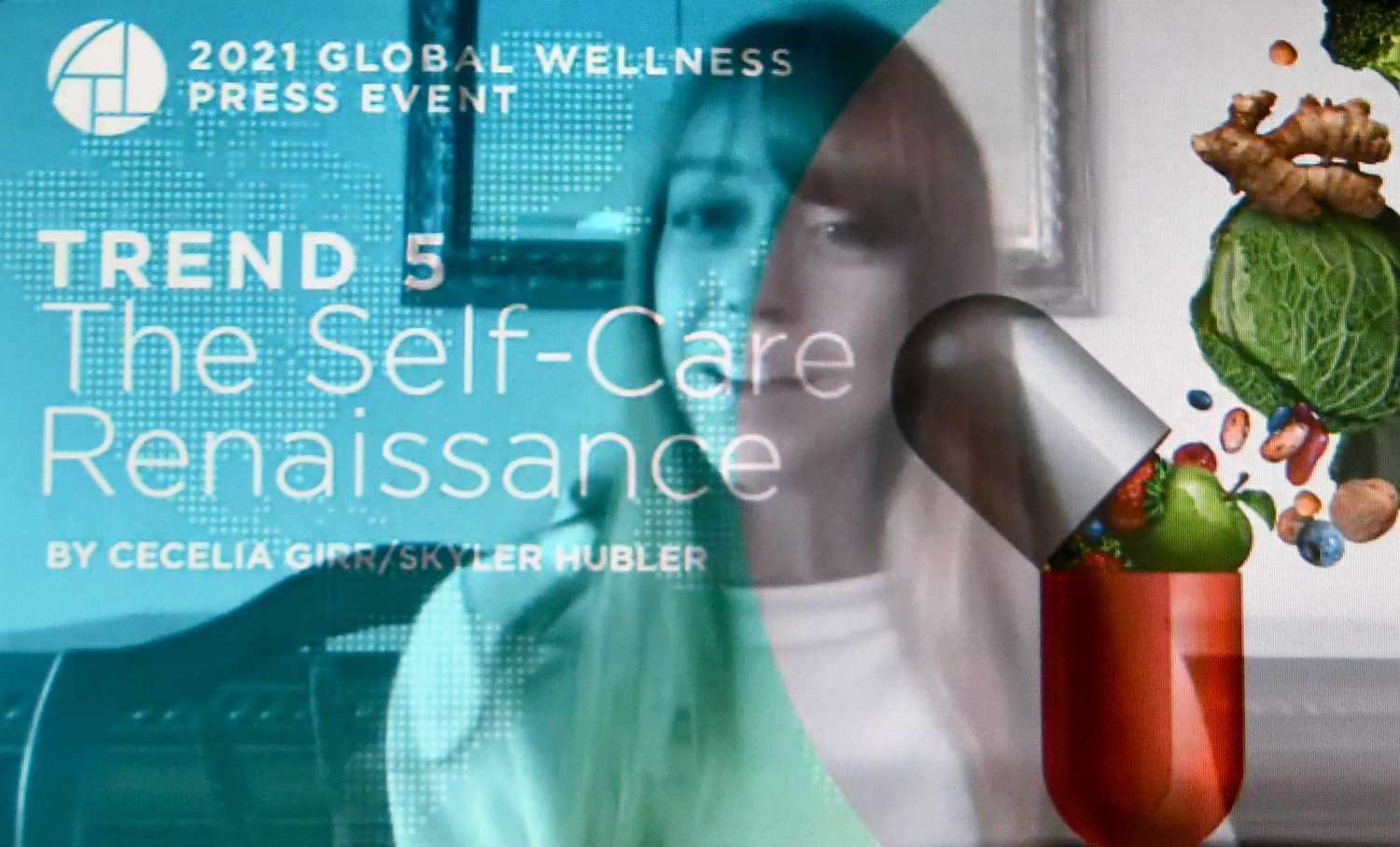
  5. The Self-Care Renaissance: Where Wellness and Healthcare Converge
  6. Adding Color to Wellness
  7. Resetting Events with Wellness: You may never sit on a banquet chair again
  8. Money Out Loud: Financial Wellness is Finding Its Voice
  9. 2021: The Year of the Travel Reset (The year when all travel may become wellness travel)

Forecasting trends in the fast-evolving wellness space is daunting every year. In 2020, we experienced a global pandemic, economic meltdown, racial injustice, polarizing politics, and a mental wellness crisis that changed every aspect of human life­­. The pandemic made wellness radically more important to people overnight, while the coronavirus exposed the terrible human cost for not controlling chronic, underlying conditions, radically strengthening the case for preventative wellness. At the same time, there was accelerated fatigue with a wellness industry overly focused on elitist, hyper-trendy, evidence-free wellness solutions—which suddenly feel “so 2019.”

Wellness today is at a watershed moment. The trends report reflects how wellness is poised to take a bigger seat at the healthcare table (see “The Self-Care Revolution” trend). It predicts a future industry that will be more inclusive, accessible and affordable (see the “Adding Color to Wellness,” “The Entertainment Industry Jumps into Wellness,” and “Just Breathe!” trends). How it will basically “get real” and more evidence-based (see “The Future of Immune Health: Stop Boosting, Start Balancing”)—and tackle tougher, more crucial human pain-points (see “Money Out Loud: Financial Wellness Is Finding Its Voice”). And the report also predicts how wellness will continue to rewrite vast industries, from travel, to architecture and design, to the meetings industry.

This wellness forecast is based on the insights of hundreds of top executives of wellness companies, economists, doctors, investors, academics and technologists­ (from dozens of nations) that gathered in person and virtually at the recent Summit to debate where wellness was headed—making for a particularly informed, global set of predictions.

1. Hollywood and the Entertainment Industries Jump into Wellness

By Beth McGroarty, VP, Research & Forecasting, Global Wellness Summit

Wellness will become a bigger, more meaningful programming focus on TV and in the music industry. Big Media is digesting the huge cultural force wellness has become.

For wellness purists, any trend about Goliath TV, music and tech companies moving into wellness programming can cause eye rolls; It must be…inauthentic. But for anyone serious about “wellness for all,” more wellness experiences at Big Media platforms are a story of unprecedented reach, access and affordability.

A New Wellness TV

If wellness programming on TV (whether Oprah or the Goop Lab) has been about wellness as a topic you passively consume, the future is TV content and platforms that involve and impact you.

Smart TVs are baking wellness “channels” onto their home screens. Samsung TVs launched Samsung Health, letting people binge 5,000 hours of free fitness/meditation classes from the buzziest brands. The future: smart TVs (like Apple’s) that connect to your health wearable (like Apple Fitness+) to serve up personalized wellness/fitness experiences right on your TV.Samsung’s 2021 TVs’ “Smart Trainer” does just that: offering real-time coaching as you work out.

Wellness companies are becoming full-blown TV studios. Mega-meditation-apps, Calm and Headspace, recently scored TV shows (HBO Max and Netflix), translating their meditative experiences into immersive television. Meditation apps with TV series? Unthinkable just two years ago.

China is perfecting the marriage of wellness TV programming and e-commerce, and Waterbear Network is a new “Netflix” for climate activism.

Wellness Music Exploding

The ways that music is being created forstress, sleep, focus, a better workout, or just trippy, ambient bliss…has kicked into high gear. It’s a paradigm shift: If music has always been consumed around artist, song and genre, now it’s “serve me music-as-therapy (with a specific emotional vibe), exactly when I need it.”

The big music sites (Spotify, Amazon, Apple) are really ramping up their music-for-wellbeing content, making “wellness” a new listening channel. Think: rock, jazz, hip-hop… “chill”… “sleep.”

Meditation apps are becoming big wellness musicrecord labels.” Calm’s music division keeps partnering with more big artists for adult lullabies or chill-out tracks. Headspace just named its first Chief Music Officer and came out swinging by hiring John Legend to create its original wellness music.

More apps are launching, specifically focused on music-for-wellbeing: the new Myndstream app and label produce music to help people chill out, sleep or focus; Muru Music Health, the first streaming platform aimed at people over 60, uses AI to deliver tailor-made music to prevent brain aging. The Soul Medicine app serves up music all composed around a 432 MHz frequency, which studies have shown works to synch sides of your brain and decrease heart rate.

Generative music technology—where your biometrics meet neuroscientist-designed sound—will take sound-as-precision-medicine to radical places, moving out of start-up labs and onto bigger media platforms. Endel pulls your heart rate, movement and circadian data to create a constantly changing “sound blanket” to help you de-stress, focus and sleep. They have big plans, including creating “smart house” tech that constantly adapts sound, light and temperature based on your physical/mental state.

Celebrities are now all over wellness, not just as spokespeople but as company founders, execs, and major investors. They are a rising, not-to-be-ignored force in the global wellness investment space.

Sure, many dream of creating the next money-minting GOOP empire, but it’s more than that: Wellness is becoming a powerful way for celebrities to positively rebrand during a health, racial inequity and environmental crisis. More celebs will keep investing in wellness brands that tackle serious social issues—from women’s sexual wellness to bringing wellness to Black and brown communities. Selena Gomez’s new brand Rare Beauty underwrites her Rare Impact Fund, pledging $100 million for mental health services in underserved communities.

The future: more collaborations between Big Media (who know a few things about high-quality, immersive content) and the wellness world (who has done a far better job than doctors in getting people obsessed with health).We need binge-able wellness programming—of all kinds. A trend that could impact billions of lives and feels awfully overdue.

2. The Future of Immune Health: Stop Boosting, Start Balancing

By Beth McGroarty, VP, Research & Forecasting, Global Wellness Summit

People were blitzed with “immune-boosting” supplements, foods and therapies in 2020. The future: more evidence-backed approaches to immune health, with metabolic health, the microbiome, and personalized nutrition becoming crucial—along with more experimentation with everything from “positive stress” experiences to intermittent fasting for immune resilience.

We join many forecasters in naming immune health a 2021 trend, not only because we agree that it will remain a consumer obsession post-vaccine but because the main ways the wellness industry has been addressing it are…flat-out wrong.

First, the idea that you can “boost” your immunity is unscientific nonsense, and “more boosting” is precisely the wrong approach: A supercharged immune system leads to the body attacking itself, the pathway to autoimmune diseases, and the cytokine storm that killed COVID-19 patients.

Second, the wellness market has led with pop-it, guzzle-it, IV-drip-it, “immune-boosting” superfoods and supplements, none of which can change the complex immune system much. So many sexy products like elderberry-adaptogen gummies in prescription-like bottles. How did wellness become such a Big-Pharma-simulating world?

The future: approaches that lead to immuno-stabilization, immuno-balance. Most are the untrendy pillars of wellness: exercise, sleep and stress-reduction.

But with new research and lessons from COVID-19, some things become far more important:

Metabolic health: COVID-19 brutally exposed the connection between metabolic ill-health and immune dysfunction, as people with metabolic issues (far more widespread than obesity and diabetes) were more likely to get sick and die. The #1 thing to strengthen our immunity: refocus on diets that drive metabolic health (and stop the profusion of trendy ones that don’t). This means embracing some version of the Mediterranean Diet.

The microbiome: An incredible 70% of our immune system is headquartered in our “gut.” And new research from PREDICT (the world’s largest research project on how individuals respond to food) on the gut-immune health connection is profound, finding diet is the # 1 determinant of our microbiome (trumping genetics). Other new studies have found that the gut microorganisms of COVID-19 patients look radically different than those of uninfected people.

More people will embrace the generic gut-health weapons: fiber-rich, whole, unprocessed foods; prebiotics; fermented probiotics; and now even postbiotics are coming. New research shows that the same foods impact individuals’ microbiomes (and metabolic health) very differently, so labs are working overtime to crack the insanely complex, 100-trillion-cell microbiome to create better testing models for personalized nutrition. Two scientist-founded microbiome testing companies to watch: Israel’s Day Two and Zoe Global, founded by the doctors behind PREDICT.

Personalized nutrition: All of this means far greater urgency for personalized nutrition in general. The gold standard: advanced, integrated genetic, bloodmarker, and microbiome testing (and UCSF is working on). So many companies are putting together the pieces in the meantime, such as MYX Health, using one-prick bloodspot tech to test everything from average blood sugar levels to inflammation markers for tailored nutrition plans.

We’ll see more experimentation with:

Intermittent fasting: Research mounts that intermittent fasting can dramatically “flip the switch” on immune system regeneration. Studies also indicate that daily fasting windows and special “fast-mimicking” diets show significant, positive immune impact, but multi-day, water-only fasts hurt immune response.

“Positive stress” experiences: Human immune systems evolved around constant, short stresses (how we survived), but now we sit at desks with temperatures always tuned to 72 degrees. Voluntary “positive stress” experiences—hot and cold; fasting; types of breathwork; high-intensity, short bursts of exercise—are proven to have a short-term, positive immune effect. All will rise in wellness, from the Wim Hof Method to wild swimming to home infrared saunas. The first human clinical trial testing on whether regular positive stress experiences have a long-term impact on our cellular biology and the immune system is coming soon.

“Immunity travel”: Wellness resorts rushed to immunity programs when the pandemic hit: so many add-on, “immune-boosting” menus and IV drips. Now destinations will go deeper, more medical, and revolve around interventions that matter more: from in-depth metabolic and immune profile testing to gut health and personalized nutrition—such as Germany’s Buchinger Wilhelmi. Biohacking centers, such as BelleCell in London, are deploying futuristic tech, such as IV laser therapy and hyperbaric oxygen chambers, to target “cellular bioresilience” and the immune system.

After a long 2020, people are aware that their immune health is a holistic affair, that food and the microbiome are lynchpins, and that “slow” not “hyper” strategies are the difference-makers. People will keep gobbling trendy quick-fixes in trendy bottles, but they’re ready for more. A wellness industry newly focused on the hard—and fast-evolving—immune science could extend and save many lives. And help its own reputation along the way.

3. Spiritual and Numinous Moments in Architecture
By Veronica Schreibeis Smith, Founding Principal, Vera Iconica Architecture and Developments

In recent years, a storm of studies has demonstrated the powerful connection between the built environment and our physical health, and a new “wellness architecture” has taken off, heavily focused on functional design moves, whether circadian lighting or air purification.

What has been glossed over is design that can tap into and nurture our spirituality. In 2021, we will see new attention paid to creating everyday spaces that can incite sacred and numinous moments, that elevate our consciousness and potential, and ground us in gravitas in the midst of a mindless, consumerist society. Architecture and design will move up Maslow’s Pyramid, from our recent era of look-at-me, visually ostentatious fads (luxury McMansions that reside in the “Esteem” tier) to a new architecture reaching for the “Self-Actualization” tier—a built environment that can move our souls.

Thin places: We will see more experimentation with creating special “thin places” that dissolve the veil between ordinary, everyday places and the sacred realm. Architect Dr. Phillip Tabb has identified 16 shared traits, including transitioning into the space with a threshold, much light and luminosity, and the beneficial manifestations of nature. Thin places move us from the secular, overwhelming pace of our daily lives to a sacred, more empowered state, and neuroscience has shown that this non-ordinary architecture has the same impact on our brains as meditation.

Ancient revivals: Feng shui principles are well-known, but we will see interest in other ancient traditions such as Vastu architecture, which also uses techniques like orientation, proportions, astrology, placement of rooms/furnishings, and blessing ceremonies to improve human energy. There will be more interest in sacred geometry and BioGeometry to create spiritual spaces rooted in the math of nature. And we will see a revival of the temple in both faith-based and everyday architecture.

“Nudge architecture”: Nudge architecture is the concept ofdesigning cues into the environment that influence behavior while still allowing people to make their own choices. For example, placing meditation coves in workplace courtyards (baking spirituality into everyday life) or placing a beautiful stairway in building entries and tucking elevators into back corridors (baking movement into life). 

A Spiritual Home: We will rethink layouts in our homes that we take for granted, such as designing the “bath room” as an elevated space for bathing rituals rather than basic hygiene (i.e., the toilet must move).  Wellness kitchens[1] will be designed so that preparing whole foods becomes a joyful, relaxing ritual—and bedrooms will become sleep sanctuaries, thoughtfully arranged to reflect the sacredness of winding down in preparation for dreamtime.

The new spiritual architecture means we will no longer accept secular environments that disregard a need to uplift us emotionally, maximize our cognitive performance, bring us to the present moment, and allow us space to breathe and be mindful. Spiritual wellbeing is an inextricable part of a well life and rightfully deserves more design consideration and designated spaces in our homes, workplaces, communities and urban landscapes.

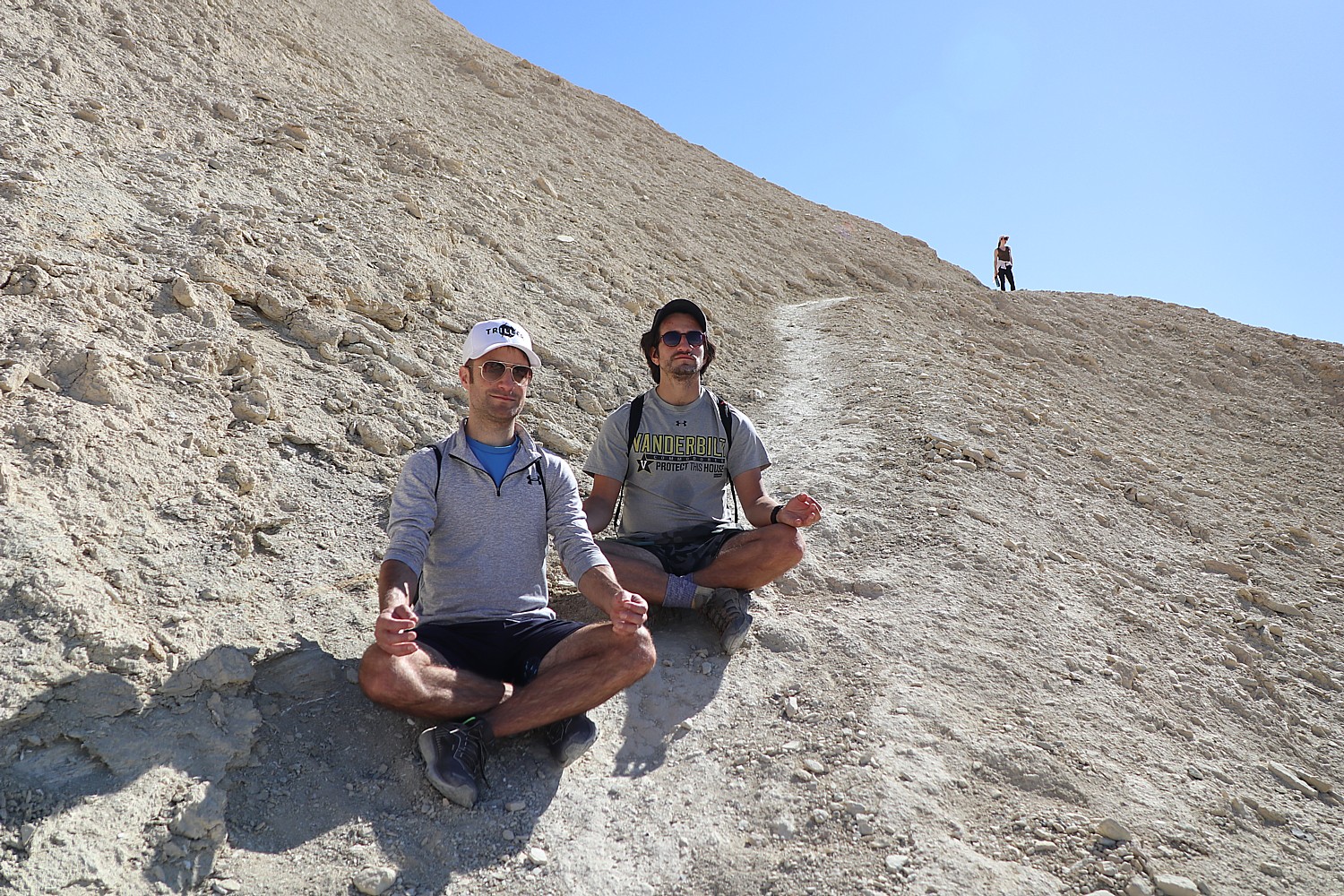
Just breathe. Taking a meditative break on a hike in Death Valley National Park (c) Karen Rubin/goingplacesfarandnear.com

4. Just Breathe! 

By Sandra Ballentine, Editor at Large, W Magazine

Contrary to popular belief, you don’t need to know where your chakras are or what a didgeridoo sounds like to do breathwork. An increasing number of clinical studies from major universities like Harvard, Stanford and Johns Hopkins are putting science and data behind something we’ve actually known for centuries—the way we breathe has profound effects on our mental and physical health and abilities. It might even help us strengthen our immune systems. Many of us have heard of top performers (think leading athletes, elite military personnel and major rock stars) using their breath to aid focus and reduce fear at critical moments, but the beauty of breath is that anyone can access its power, even children.

This trend explores the people, the techniques, the places, and the new technologies pushing the practical magic of breathwork into exciting—and important—new directions.

Practitioners are bringing breathwork to ever-larger audiences and pushing it into fascinating new territories, including rehabilitation, fitness and community building and relief from chronic stress, trauma and PTSD. Breath artist, Sage Rader, brings modern breathwork to the masses with a rock-star delivery, alchemizing science and spirituality into entertainment, while Jasmine Marie’s Black Girls Breathing delivers meditational breathwork as mental healthcare for Black women. This trend looks at techniques, whether nose breathing, the lengthened exhale, or the “sigh,” as specific brain and body medicine.

Cool, clubby breathwork parties and festivals are rising, such as Donovan McGrath’s (creator of Amplified Yoga, one of L.A.’s hottest live music-driven fitness classes) plans to introduce Amplified Ecstatic Breath, a breathwork social hour (complete with mood-shifting lights and a live DJ) as soon as people can meet again. Hospitality is taking a much bigger breath, with more—and more diverse—breathwork programming everywhere from Six Senses’ global resorts to Chablé Yucatan and Chablé Maroma in Mexico.

If breathwork apps have been around, gaining traction now are handheld devices that track air quality and fitness/health wearables that incorporate breathing-related metrics like breathing rate, pulse oximetry, heart-rate variability and habitual breathing patterns. There’s so much action in breath-tech, such as Israel-based start-up Anicca set to launch its Companion device, which regulates the wearer’s emotions by amplifying the sensation of their breathing as a calming vibration on their body.

Certain breathing techniques can help strengthen the lungs post-COVID-19, and there are even studies that point to breathwork as a possible therapeutic for one of the world’s deadliest diseases: hypertension. Perhaps the best part of all—this drug-free medicine costs absolutely nothing. And with so many accessible techniques and styles to choose from, there really is something for everyone and every situation. 

5. The Self-Care Renaissance: Where Wellness and Healthcare Converge

By Cecelia Girr & Skyler Hubler of Backslash, TBWA Worldwide

From 1400–1700, the Medical Renaissance marked a historic breakthrough in our approach to healthcare. Science began to dominate superstition. Anatomical discoveries paved the way for modern medicine. And yes, vaccines were in development.

Over three hundred years later, we’re undergoing a new kind of medical renaissance. One where two complementary yet often competing entities—healthcare and wellness—will converge. Wellness is learning to lean into science, establish standards, and hold itself accountable. At the same time, healthcare is beginning to borrow from the wellness playbook—transforming a once sterile and strictly curative industry into a more holistic, lifestyle-oriented, and even pleasurable one. In this new era, hospitals will take inspiration from five-star resorts, yoga studios might measure improved telomere length, and prescriptions may be coupled with hyper-personalized guides to optimal health.

Promising signs of governments, doctors and medicine giving wellness wings for widespread adoption are already emerging. Over in Singapore, for example, the government is teaming up with the world’s biggest tech giant to create a healthier society. Through the LumiHealth app and Apple Watch, Singaporeans can participate in country-wide wellness challenges and access personalized health programs until 2022. 

On the other end of the spectrum, we’re seeing healthcare take cues from the more pleasurable parts of wellness. Even the most dreaded semi-annual appointment—the dentist—is being rebranded as a self-care experience. Think seasonal toothpaste flavors, massage chairs in the lobby, and yes—your favorite Netflix show streaming on the ceiling.

As we look to a future where healthcare and wellness converge, there’s no better visual representation than Octave’s Sangha Retreat in Suzhou, China. On the property, there’s a corridor that runs from one side to the other. One end is home to conventional medicine, and the other hosts wellness practices ranging from acupuncture to more “out-there” devices that measure the age of your soul. Visitors are free to flow between the two sides based on their needs. 

The corridor at the Sangha Retreat presents what we believe is next for healthcare and wellness. A kind of yin yang approach where two seemingly opposing forces finally discover that they can—and must—work together. As Dr. Kenneth R. Pelletier puts it, “Medicine is realizing that its roots have come from wellness traditions, and the wellness community is recognizing that not all doctors are evil.”

6. Adding Color to Wellness

A personal and professional reflection, as a Black woman living in the US, who researches the wellness industry

By Tonia Callender, Research Fellow, Global Wellness Institute

Graphic videos and the protests of last summer prompted many businesses to voice support for anti-racism. While diversity and inclusion have become a popular topic in the wellness industry, mainstream wellness companies ignore Black wellness consumers and rarely market to them.

Moreover, the industry disregards the value that talented Black wellness professionals can bring to wellness spaces, limiting them to entry-level or maintenance positions. This essay argues that to generate substantive change, the wellness industry must recognize and address the false narrative that wellness is for affluent white people. It discusses how the industry can add color to wellness by valuing Black consumers and wellness professionals and describes the different ways that Black people actually experience wellness offerings and spaces, highlighting racial inequalities.

Unequal wealth and the continued effects of residential segregation, racial bias and discrimination hinder Black wellness. Lack of access to good education, clean air, healthy food, potable water, and good health care hamper this ethnic group’s ability to protect and nurture its wellness. When compared to their fellow white citizens, Black Americans are more stressed and less healthy but have fewer choices. Racial bias and structural barriers continue to force unequal wellness options on Black people. Most importantly, for many people of color, even the least costly wellness practices can be difficult to pursue. This essay discusses some of the obstacles facing Black people who pursue wellness activities while providing a personal perspective on Black wellness experiences. Whether appreciating nature or engaging in physical activity, Black people face a different wellness landscape. For example, when it comes to mental wellbeing, they have more stress and fewer options. 

This piece also provides insights into the future, illustrating how companies are changing the wellness narrative and giving suggestions for how the wellness industry can add color to wellness. The industry can support Black wellness by allowing non-white groups to also shape the wellness narrative, incorporating Black wellness needs into services, spaces and products and valuing black wellness professionals. Companies such as Fenty Beauty in the beauty sector and the Shine app in the mental wellness space have found substantial success by incorporating Black wellness into their products and services, and both companies represent the vision of people of color who reject the current mainstream wellness narrative. They have not focused solely on Black wellness but have incorporated the needs of Black people into their wellness offerings. 

Global consumer markets are becoming more diverse, and Black and brown consumers are witnessing increased purchasing power. Companies that value wellness for all racial groups and income levels will thrive as they expand their consumer markets and increase business innovation and profitability. Wellness enterprises that value diversity, respect Black wellness needs, and work to support more equitable access, represent the future of wellness.   

7. Resetting Events with Wellness: You may never sit on a banquet chair again

By NancyDavis, Chief Creative Officer and Executive Director, GWI & GWS

In mid-March 2020, the pandemic brought in-person events to an abrupt halt. And no matter the power of technology and the gratitude we felt for Zoomed Wi-Fi connectivity, the world hungered for personal interactions.

But there was a silver lining: a new trend that will forever change meetings and events was born, with wellness at the core. The trend reinforces top-of-mind topics like health, safety and immunity and employs new protocols and technologies that mitigate risk in engaging ways. In 2021 and beyond, creativity is driving connection—and how we gather is taking on new—and healthier—meanings.

As the months passed, conflicting issues continued to converge in the world of meetings and events: a pent-up desire to travel, the still-spreading coronavirus, the uptick in virtual technologies, coupled with the unending human desire and need for connection.

The answer? New hybrid events (in-person and virtual gatherings) sprouted like mushrooms after a spring rain. Technology companies raced to be the platform for hosting hybrid meetings. Investors threw money at tech companies, and within months of the pandemic shutting down most in-person gatherings, new companies had taken hold, and a new world was emerging.

Moreover, the pandemic also generated the opportunity to reimagine not only how an event would take place but also how it could be healthier. The spark that ultimately combusted for the Global Wellness Summit (GWS) was an idea to “reset events with wellness” in an authentic and powerful way—ultimately creating a new trend for 2021.

The 14th annual Summit was to take place in November in Tel Aviv. However, when COVID-19 hit, the GWS quickly pivoted to a “Safe Summit.”  The now smaller event moved from Tel Aviv to The Breakers Palm Beach, and a virtual aspect was added, allowing more people to attend. A former US Surgeon General because the conference Medical Advisor, banquet seating became wellness stations, mandatory COVID-19 testing and temperature checks replaced handshakes and hugs, and buffet breaks were transformed to healthy snacks presented for carrying away. Mood lighting was turned into far-UVC and air purification, reducing viral load, and fun was reimaged with a “Mask-erade” with Distanced Disco Dancing.

Over 100 delegates attended the 2020 Global Wellness Summit in person at The Breakers, and over 500 attendees logged in virtually. It set a new standard for meetings and provided a road map for the future of healthy events.

8. Money Out Loud: Financial Wellness is Finding Its Voice

By Cecelia Girr & Skyler Hubler of Backslash, TBWA Worldwide

Money has topped the “do-not-discuss” list for decades—right alongside religion, sex and politics. But it’s 2021, and transparency is trending. A culture craving authenticity is breaking the money taboo—transforming finance from a hush-hush, one-size-fits-all, cut-and-dry industry to one that’s more human, empathetic, and, dare we say, fun. 

This growing openness is being driven by a much larger mental health awakening. We’re moving on from the vanities of look-good, feel-good wellness and lifting the lid off the heavier pressures that are contributing to an unhealthy society. And with research linking financial stress to anxiety, depression, high blood pressure, respiratory conditions, and more—it’s about time money is put under the microscope.

This growing financial wellness movement is moving money talk far beyond the bank. Financial therapists are tackling the intersection between money and mental health. Financial literacy courses are simplifying complicated finance bro jargon. And the three billion views of #personalfinance content on TikTok are proving that finance influencers are officially a thing. And the discussion is just getting started.

As the money conversation heats up, it’s being brought to the fore by those who have typically been excluded from dialogue altogether. We all engage with money daily, yet our experience with it vastly differs based on factors like race, socioeconomic status, age, personal values, and even sexual orientation. And though the majority of 2020 headlines felt hopeless, the year did bring promising signs of greater financial inclusivity. Jefa, a digital bank designed specifically for women in Latin America, and Majority, a banking service that sets immigrants up with the tools needed for financial success, are just two of the several hyper-personal neobanks that are emerging.

All positive progress starts with a conversation. In this case, the conversation is about money—how it makes us feel, how and why our experiences with it differ, and what ultimately needs to change. As the conversation becomes increasingly loud, inclusive and honest, the old voices will be shouted out by the new. We’ll begin to see the end of financial systems designed to profit from our failure and the start of financial wellness awakening. Money talks. It’s time we start using a language everyone can understand.

In 2021, all travel may have a measure of wellness travel. Seeking out restorative effects of being in nature, active travel,, travel sustainability with minimal impact like biking, hiking will continue to be popular (c) Karen Rubin/goingplacesfarandnear.com

9. 2021: The Year of the Travel Reset

The year when all travel may become wellness travel
By Elaine Glusac, columnist, New York Times

The coronavirus pandemic acted as a near-complete brake on travel in 2020. The pause gave everyone—consumers and suppliers—the opportunity to think about rebooting travel for the better by correcting overtourism, becoming more conscious of where the money goes, and how to use the enormous power of tourism to sustain cultures and environments and perhaps even leave them better off.

Looking ahead, the year 2021 may be the year that all travel becomes wellness travel. As home and work lives merged during the pandemic, work grew for many, prompting employers to emphasize self-care, beginning with vacations. Additionally, health assessments—including pre-arrival COVID-19 tests—are becoming vital precursors to travel. And vaccine passports are in development.

From the manic travel of 2019—which was the ninth year of record-setting growth in travel, outpacing global economic expansion—2021 will be the year of the travel reset, going slower, nearer and more mindfully. Fitfully too, mirroring the vaccination rollout, which has prompted optimism as well as tentativeness.

Some ways travel will be reset in 2021:

Making travel regenerative: or leaving a place better off than you found it. An example includes the Svart lodge in Norway, which plans to be energy positive, producing more solar power than it needs.

Challenging overtourism: finding ways to ensure that when travel rebounds, it doesn’t threaten to overrun attractions and communities.

Correcting undertourism: being mindful of the positive force travel can be by sustaining communities and ecosystems in encouraging conservation and local investment.

Tentative travel: taking cautious steps in travel to local and regional destinations before national and international ones as confidence in the health and safety of travel grows.

Embracing nature: discovering the healing power of nature, a movement unleashed during the pandemic, will continue as travelers continue to value isolation, slow travel and human-powered travel.

Putting purpose first: making travel more meaningful or purposeful, from planning family reunions to pursuing personal challenges like climbing Mt. Kilimanjaro. 

Eventually, the widespread distribution of vaccines is expected to unleash a flood of travel, though the date the dam breaks is hard to foresee. For now, 2021 will be a year of resetting travel as a closer, slower, more careful, healthier pursuit as we emerge post-vaccine.

The full 97-page Global Wellness Summit Trends Report can be purchased  here.

The Global Wellness Summit is an invitation-only international gathering that brings together leaders and visionaries to positively shape the future of the $4.5 trillion global wellness economy. Held in a different location each year, Summits have taken place in the US, Switzerland, Turkey, Bali, India, Morocco, Mexico, Austria, Italy and Singapore. The 14th annual Summit took place at The Breakers Palm Beach, FL, from November 8–11, 2020. The 2021 GWS will be held in Tel Aviv, Israel, in November 2021. 

See also:
Pandemic Underscores Urgency for True Universal Healthcare with Added Emphasis on Wellness